Car Import Cost Calculator: Assembled vs. Imported
Compare Vehicle Costs
Estimate potential savings by choosing a locally assembled model.
Fully Imported (CBU)
High flat rate duty on finished vehicle.
Locally Assembled (CKD)
Lower duty on components + Assembly cost.
*Note: This is an estimation tool based on general trends described in the article. Actual tax rates vary by engine size, fuel type, and specific government policy.
The Short Answer: No Indigenous Car Manufacturing
If you are standing on the streets of Dhaka or Chittagong looking for a car with a "Made in Bangladesh" badge that was designed and engineered from scratch by local talent, you will be disappointed. As of 2026, Bangladesh does not have an indigenous automobile manufacturing industry capable of producing vehicles from the ground up. There is no Bangladeshi equivalent to Toyota, Hyundai, or even Tata Motors that designs its own chassis, engines, and electronics domestically.
However, the situation is more nuanced than a simple "no." While we don't build cars from raw steel sheets, we do have a growing sector of assembled vehicles. This distinction matters because it affects pricing, availability of spare parts, and the economic impact on the country. To understand the current state of affairs, we need to look at what is actually happening on the factory floors in Bangladesh today.
Assembly vs. Manufacturing: What’s the Difference?
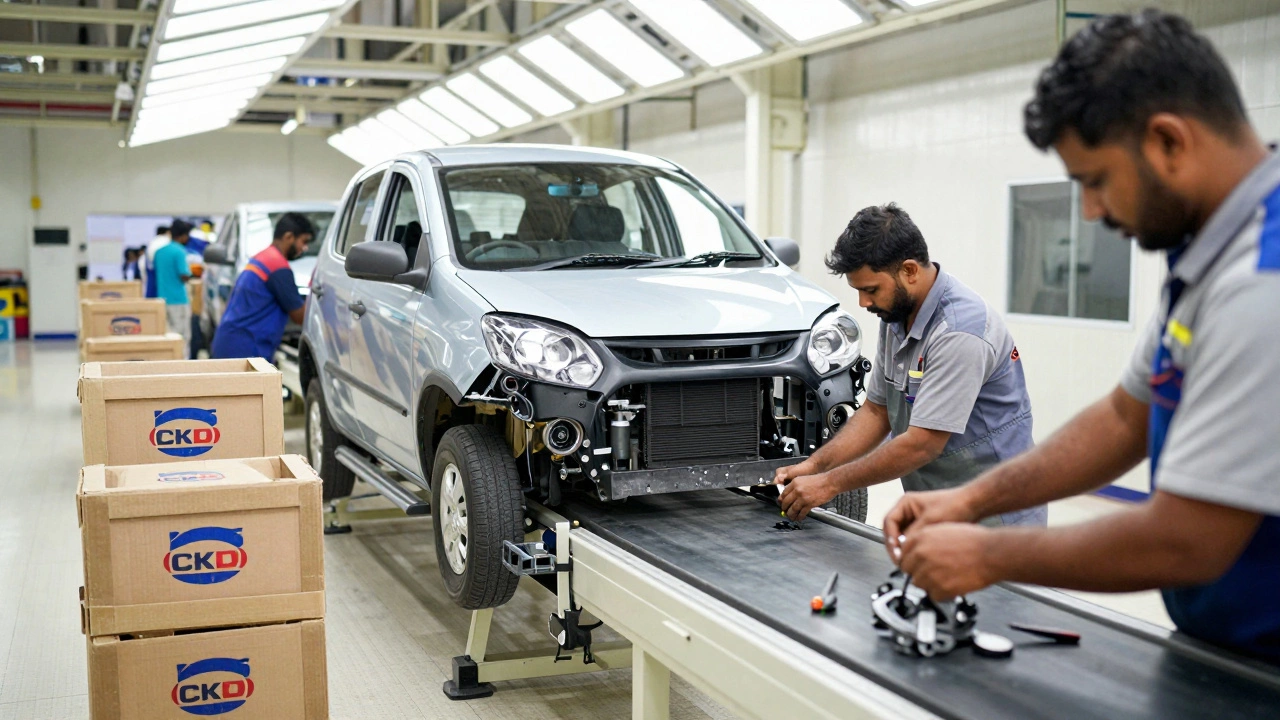
It is crucial to separate "manufacturing" from "assembly." True manufacturing involves stamping body panels, casting engine blocks, and assembling complex electronic systems. Assembly, often referred to as CKD (Completely Knocked Down) or SKD (Semi-Knocked Down), means importing pre-made components and bolting them together locally.
Bangladesh currently operates primarily in the assembly phase. Foreign companies import kits containing the engine, transmission, body shells, and wiring harnesses. Local factories then assemble these parts into final vehicles. This process creates some local jobs and reduces import duties compared to fully built units (CBU), but it does not yet constitute full-scale manufacturing. The technology transfer is limited, and the core intellectual property remains with the foreign brand.
The Electric Vehicle Boom: Bajaj Qute and Others
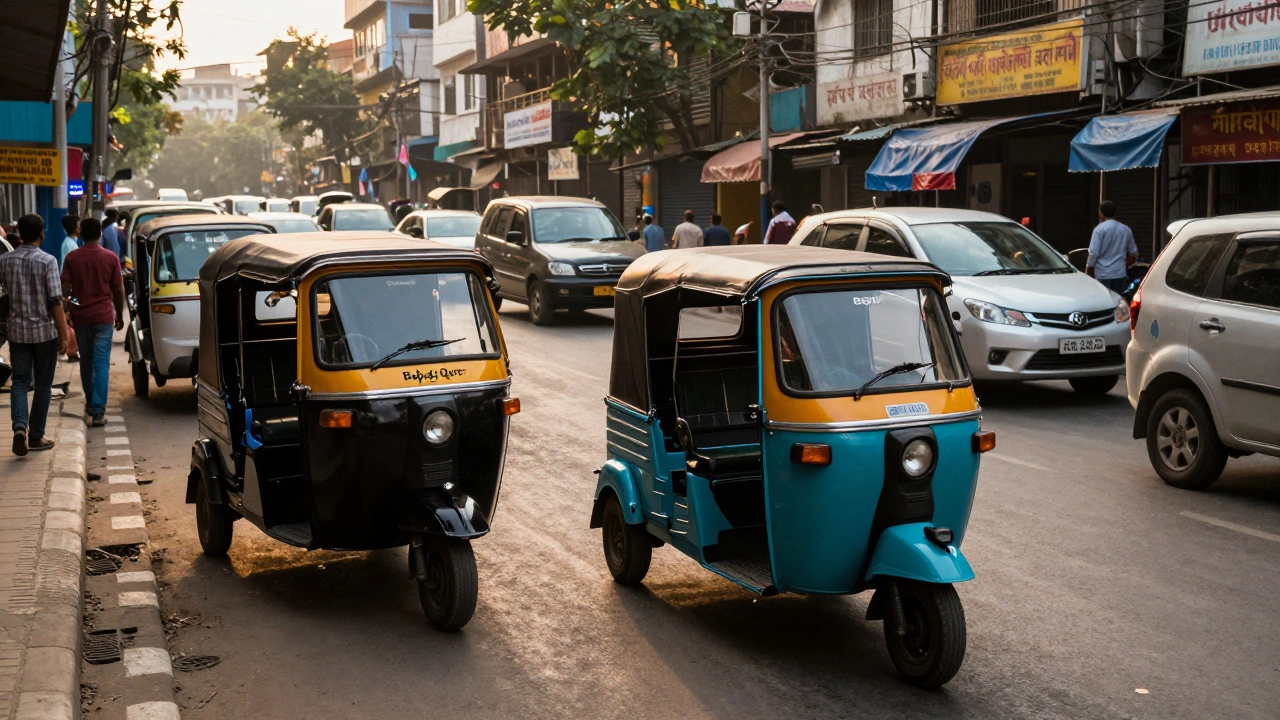
The most visible success story in recent years has been the entry of electric three-wheelers and small utility vehicles. The standout example here is the Bajaj Qute, which is an electric personal mobility vehicle assembled in Bangladesh by EVX Bangladesh. Launched around 2021-2022, this partnership between Indian giant Bajaj Auto and local entity EVX marked a significant shift. The Qute is assembled in a facility in Savar, near Dhaka. It uses batteries sourced from China and other components from India, but the final assembly happens locally.
This model has inspired similar ventures. You also see the presence of ZunElectric, which focuses on electric rickshaws and cargo trikes assembled locally. These vehicles are critical for urban transport in Bangladesh, offering a cleaner alternative to traditional CNG-powered rickshaws. While they aren't four-wheeled passenger cars in the traditional sense, they represent the closest thing to a "local" motorized vehicle available to the average citizen.
Traditional Passenger Cars: The CKD Model
For standard four-wheeled passenger cars, the market is dominated by imports. However, several international brands have established assembly plants to tap into the duty benefits offered by the government. Brands like Suzuki, a Japanese automaker with long-standing assembly operations in Bangladesh have been present for decades. Suzuki Alto and Wagon R models are widely seen on Bangladeshi roads, often assembled by local partners like Bashundhara Group or others under license.
Similarly, Chinese brands such as Chery and MG Motor have increased their footprint. MG Motor, backed by SAIC Motor of China, has set up assembly lines for models like the MG ZS and MG Hector. These vehicles are marketed heavily as affordable options for the middle class. Yet, again, the core engineering comes from China or India; Bangladesh provides the labor for final assembly.
| Factor | Locally Assembled (CKD/SKD) | Fully Imported (CBU) |
|---|---|---|
| Import Duty | Lower (varies by component origin) | Higher (flat rate on finished vehicle) |
| Price to Consumer | Generally cheaper | More expensive |
| Spare Parts Availability | Better for common models | Dependent on importer stock |
| Local Job Creation | Moderate (assembly line workers) | Minimal (showroom staff only) |
| Technology Transfer | Limited | None |
Why Doesn’t Bangladesh Build Cars from Scratch?
The barriers to establishing a full-fledged automotive industry are significant. First, there is the lack of a robust supply chain. A car consists of thousands of parts-brake calipers, airbags, infotainment chips, specialized glass. Bangladesh lacks the industrial base to produce these components at scale and quality standards required by global automakers. Without local suppliers, every single part must be imported, negating many cost advantages.
Second, the domestic market size is relatively small compared to neighbors like India or Thailand. With a population of over 170 million, the potential exists, but purchasing power is still concentrated. The number of people who can afford a new car annually limits the economies of scale needed for large factories. Automakers prefer to serve multiple countries from one regional hub rather than building isolated plants in smaller markets.
Third, infrastructure challenges persist. Reliable electricity, efficient logistics networks, and skilled technical workforce are prerequisites for high-tech manufacturing. While improvements are being made, gaps remain that make heavy investment risky for multinational corporations.
The Role of Government Policy
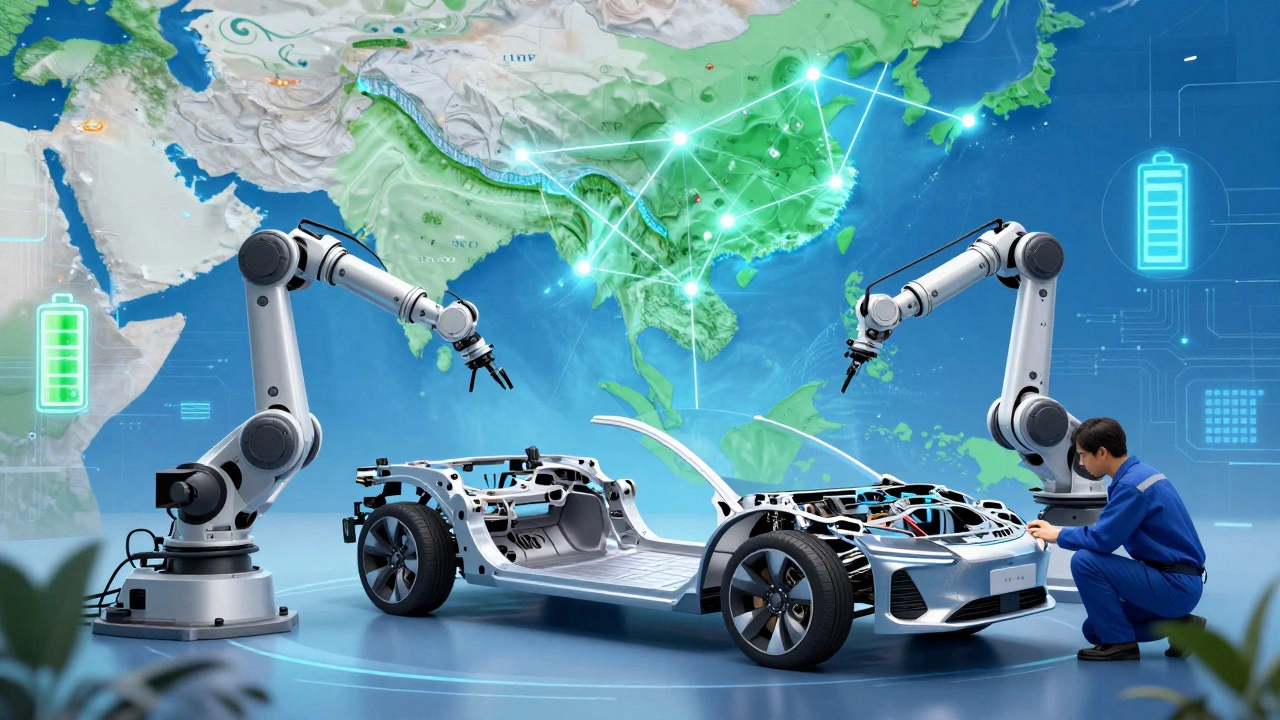
The Government of Bangladesh has recognized the potential of the automotive sector. Policies have shifted towards encouraging local assembly through tax incentives. The goal is to reduce the trade deficit caused by massive fuel and vehicle imports while creating employment. Recent initiatives aim to promote electric vehicles (EVs) specifically, offering lower taxes for EV assembly compared to internal combustion engine vehicles.
This policy push aligns with global trends. By focusing on EVs, Bangladesh hopes to leapfrog traditional engine technology and establish a niche in green mobility. The collaboration with Indian and Chinese firms for EV assembly is a strategic move to build capacity without needing immediate breakthroughs in core engine design.
What Does This Mean for Buyers?
If you are planning to buy a car in Bangladesh, understanding this landscape helps you make informed decisions. Locally assembled cars often come with better after-sales support because the assembler has a vested interest in maintaining reputation within the country. Spare parts for popular assembled models like Suzuki Alto or MG ZS are generally easier to find and cheaper than for obscure imported brands.
However, be cautious of marketing claims. Just because a car is "assembled in Bangladesh" doesn't mean it's immune to global supply chain issues. If a chip shortage hits Asia, your local assembly plant might still face delays if the components aren't arriving from overseas. Always check the warranty terms and service center network before committing.
Future Outlook: Can We Expect More?
Looking ahead, the trajectory points towards deeper localization. The government is exploring partnerships for battery manufacturing, which would be a huge step for the EV ecosystem. If Bangladesh can start producing battery packs locally, it could attract more serious investments from global EV makers. Additionally, the rise of two-wheeler assembly (motorcycles and scooters) by brands like Honda and Yamaha provides a stepping stone for developing mechanical engineering skills.
While a fully indigenous car brand emerging from Bangladesh in the next decade seems unlikely, becoming a regional assembly hub for South Asia is a realistic ambition. This would require further liberalization of trade policies, improvement in port efficiency, and sustained investment in vocational training for engineers and technicians.
Is there any Bangladeshi car brand?
No, there is currently no independent Bangladeshi car brand that designs and manufactures vehicles entirely from scratch. All vehicles sold as "local" are either fully imported or assembled from imported kits by foreign brands like Suzuki, MG, or Bajaj.
Which cars are assembled in Bangladesh?
Popular models include the Suzuki Alto, Suzuki Wagon R, MG ZS, MG Hector, and the Bajaj Qute (electric). These are assembled using CKD (Completely Knocked Down) kits imported from Japan, China, or India.
Why are locally assembled cars cheaper?
Locally assembled cars benefit from lower import duties compared to fully built units. The government imposes higher taxes on complete vehicles to protect local assembly industries, making CKD-assembled cars more affordable for consumers.
Can I get spare parts easily for assembled cars?
Yes, for mainstream models like Suzuki and MG, spare parts are widely available due to high sales volume and established distribution networks. For newer or niche EV models, availability may initially be slower but is improving rapidly.
Will Bangladesh start manufacturing car engines locally?
In the short term, it is unlikely. Engine manufacturing requires advanced precision engineering and a vast supplier network. The focus is currently on assembly and potentially battery production for electric vehicles, which is less capital-intensive than engine casting.
What is the difference between SKD and CKD assembly?
SKD (Semi-Knocked Down) involves importing mostly assembled parts, requiring minimal work. CKD (Completely Knocked Down) involves importing individual components that are fully assembled locally. CKD offers greater local value addition and job creation but requires more sophisticated facilities.
Are electric vehicles a viable option in Bangladesh?
Yes, especially for urban commuting. Models like the Bajaj Qute and various e-rickshaws are gaining popularity due to lower operating costs and government incentives. Charging infrastructure is still developing but expanding quickly in major cities.
Does the government offer subsidies for buying local cars?
There are no direct cash subsidies for buyers, but the indirect benefit comes through reduced taxes on locally assembled vehicles compared to imported ones. Additionally, specific incentives exist for commercial electric vehicles used in public transport.