India Electronics Import Cost Estimator
Estimate Summary
- KYC Documents (Aadhaar/Passport)
- Detailed Commercial Invoice
Enter value and click calculate to see estimated costs.
The Short Answer: Yes, But It Is Tricky
Can you send a laptop, a gaming console, or a high-end camera from the US to India? Yes, you can. However, it isn't as simple as slapping a label on a box and hoping for the best. Between strict customs regulations, high import taxes, and specific certification requirements, you might find that the shipping electronics to India process feels more like a legal hurdle than a simple delivery. If you do it wrong, your gear could sit in a warehouse for weeks or, worse, get sent back to the US at your expense.
Before you book a shipment, you need to decide if you're sending a personal gift, a used item, or a commercial product. Each of these carries different risks and costs. For example, sending a brand-new iPhone 16 as a gift is very different from shipping 20 used tablets for a small business project. The latter will almost certainly trigger a commercial inspection.
What You'll Need Before Shipping
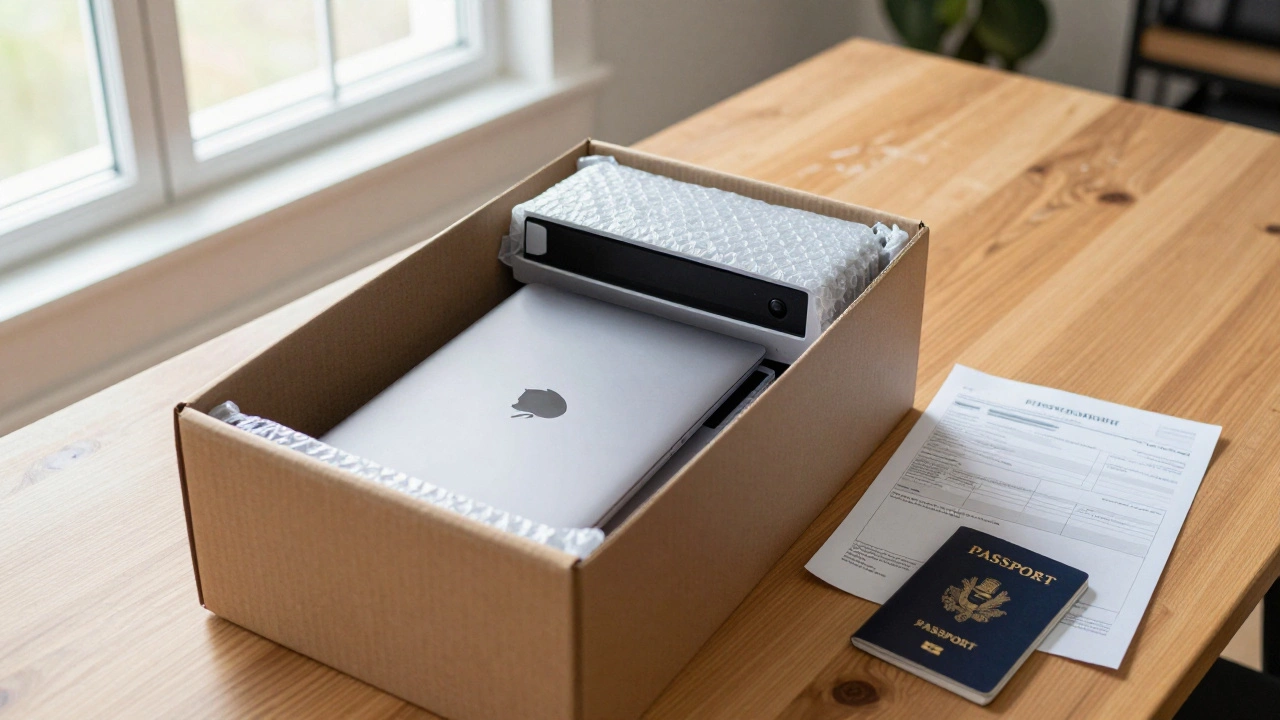
You can't just send a package; you need a paper trail. Indian customs officers are not fans of vague descriptions like "electronic gift." They want specifics. If you don't provide a detailed invoice, they will estimate the value themselves, and trust me, they usually estimate higher than what you actually paid.
- Detailed Invoice: List the brand, model, serial number, and the exact price paid. If it's used, state the current market value.
- KYC Documents: The receiver in India must provide "Know Your Customer" documents. This usually means a copy of their Aadhaar card, Voter ID, or Passport. Without this, the courier cannot clear the package through customs.
- ID Proof: Both the sender and the receiver should have valid government IDs attached to the shipping profile.
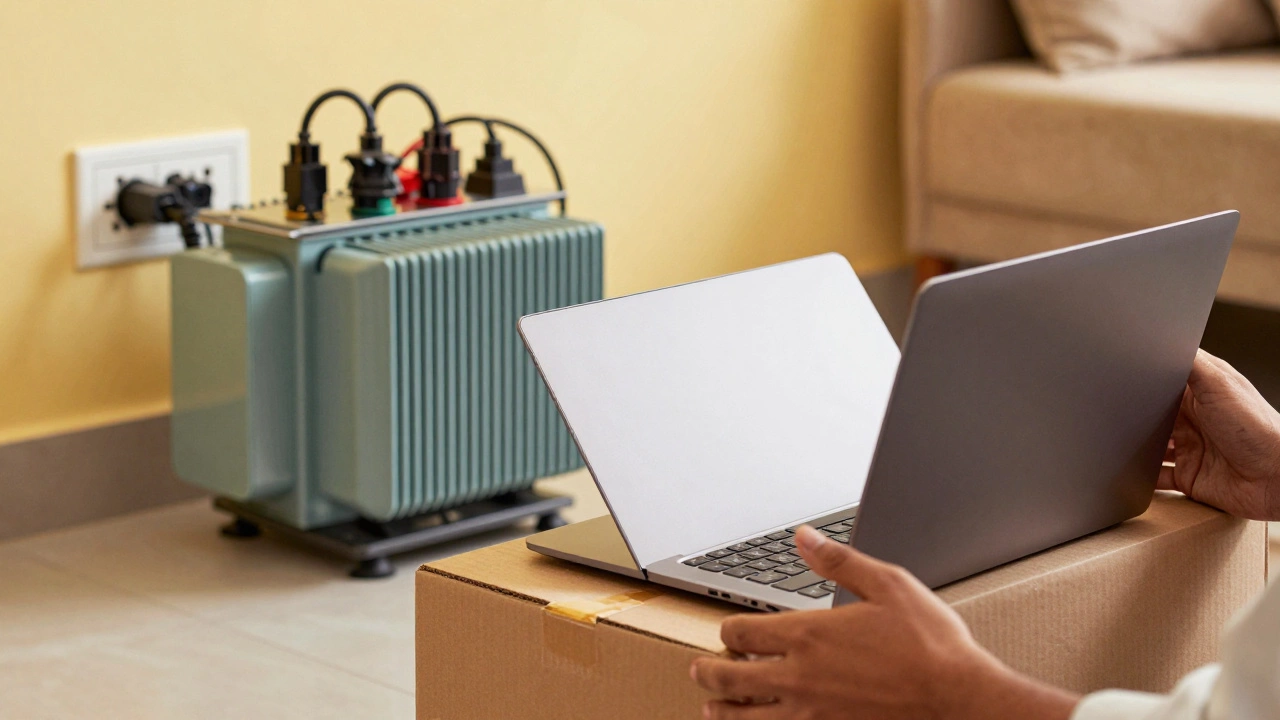
One common mistake is forgetting about voltage. The US uses 110-120V, while India uses 230V. If you're shipping something that isn't "dual voltage" (110-240V), the person receiving it will need a heavy-duty step-down transformer, or they'll fry the device the moment they plug it in.
Dealing with Customs Duty and Taxes
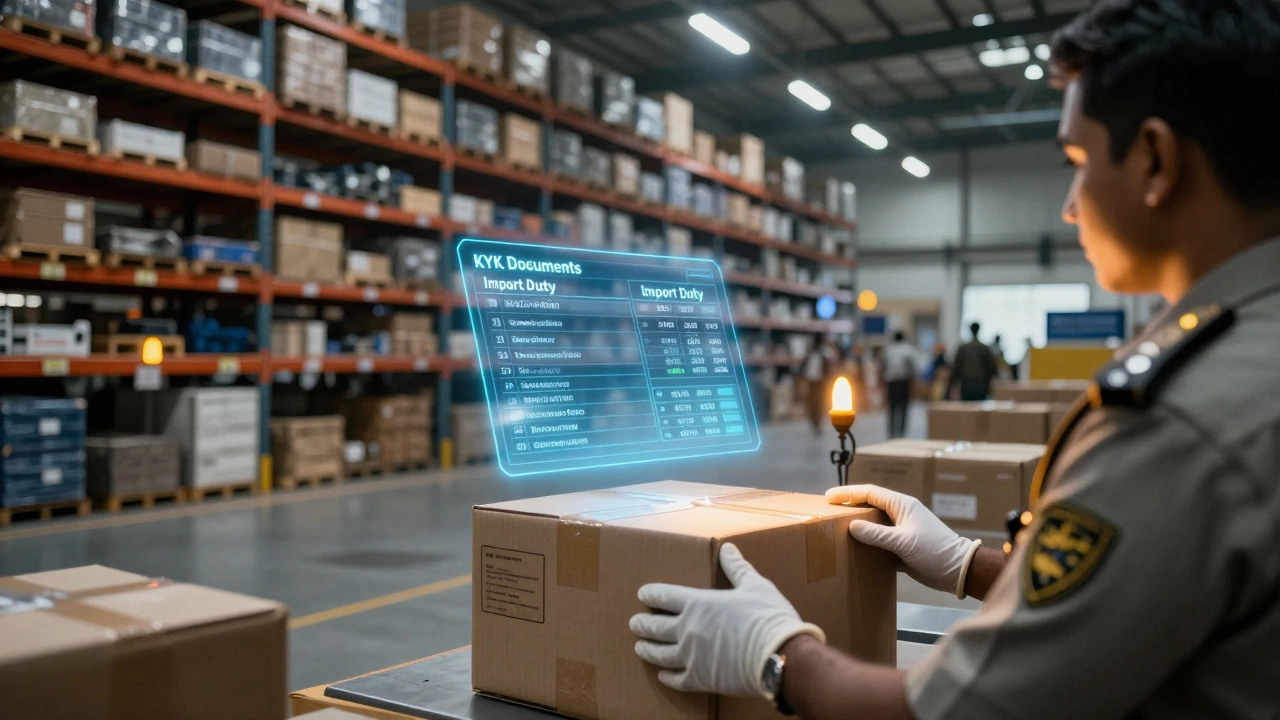
This is where most people get a shock. India has some of the highest import duties on electronics in the world. You aren't just paying for shipping; you're paying for the right to bring that technology into the country.
The cost is usually broken down into Basic Customs Duty (BCD) and the Integrated Goods and Services Tax (IGST). Depending on the item, you could be looking at a total tax hit of 30% to 42% of the item's declared value. For instance, if you ship a high-end GPU valued at $1,000, the recipient might have to pay $400 just to get it out of the airport.
| Item Type | Estimated Duty Range | Risk Level | Primary Requirement |
|---|---|---|---|
| Laptops / Tablets | 10% - 20% | Low | KYC + Invoice |
| Smartphones | 20% - 40% | Medium | IMEI Registration |
| Used Electronics | Varies (High) | High | Used Goods Declaration |
| Camera Gear | 15% - 30% | Medium | Value Proof |
Wait, can't I just mark it as a "gift" to avoid taxes? Be careful. Customs officers in major hubs like Delhi or Mumbai see thousands of "gifts" every day. If the item is clearly a $2,000 MacBook, they will ignore the "gift" label and charge the full duty. If they suspect you are intentionally undervaluing the item, they can seize the package or impose a heavy fine.
The Big Red Flag: Prohibited and Restricted Items
Not everything with a circuit board is allowed. The most dangerous thing you can ship is a device with a Lithium-ion Battery. Because these are classified as dangerous goods, many couriers will refuse to take them unless they are installed inside the device (like a phone) rather than loose in the box.
Then there are the restricted items. For example, certain high-end wireless transmitters or drones might require a license from the Wireless Planning & Coordination (WPC) wing of the Indian government. If you ship a professional-grade drone without the right permits, it will likely be confiscated.
Also, avoid shipping "refurbished" electronics that look like they came from a warehouse. India has strict rules against the import of second-hand electronics to prevent the country from becoming a dumping ground for e-waste. While a single used laptop for a family member is usually fine, shipping five used laptops for "resale" is illegal without an import license.
Choosing the Right Shipping Method
You have three main choices: the postal service, global couriers, or specialized freight forwarders. Each has a different vibe and price point.
- USPS to India Post: This is the cheapest way, but it's also the slowest. Once the package hits India, it's handled by India Post. You have very little visibility into where your package is, and the customs clearance process can be a black hole. Only use this for low-value items you don't mind losing.
- DHL, FedEx, and UPS: These are the "gold standard." They handle the customs brokerage for you, meaning they will contact the receiver to collect the taxes before delivering the package. It's faster and safer, but they charge a premium for the convenience.
- Freight Forwarders: If you're moving an entire home office or shipping bulk equipment for a business, a freight forwarder is the way to go. They handle the bulk of the paperwork and can help you navigate Customs Clearance more efficiently.
If you're sending a high-value item, always choose the courier option with full insurance. Shipping electronics across the world is risky-not just because of theft, but because of rough handling. A screen that survives a trip from New York to New Jersey might not survive a trip from New York to Chennai.
Step-by-Step Shipping Checklist
To make sure your electronics actually arrive, follow this sequence. Skipping one step often leads to a package being held at the border.
- Verify the Voltage: Ensure the device is 230V compatible or include a transformer.
- Check Battery Rules: Ensure Lithium batteries are installed in the device and the package is labeled as "Dangerous Goods" if required by the courier.
- Gather Receiver's KYC: Get a scan of the receiver's Aadhaar or Passport before you even go to the post office.
- Write a Clear Description: Instead of "Electronics," write "Used Apple MacBook Pro 2021, Serial #XXXXX."
- Declare Exact Value: Use the price you paid. Attach a copy of the original receipt.
- Choose a Trackable Courier: Use a service that provides real-time tracking and handles customs brokerage.
- Inform the Recipient: Tell them to expect a call or email from the courier regarding the import duty payment.
Many people think that once the package leaves the US, their job is done. In reality, the hardest part happens when the package arrives in India. The recipient needs to be proactive. If the courier emails them for KYC documents and they ignore it for a week, the package may be marked as "unclaimed" and returned to the US.
Will my electronics be seized by customs?
Generally, no, as long as you aren't shipping prohibited items like unauthorized drones or massive quantities of used gear for resale. Most personal electronics are allowed, provided you pay the required import duties and provide the correct KYC documents.
Who pays the customs duty, the sender or the receiver?
By default, the receiver (the importer of record) is responsible for paying the duties. However, some couriers offer a "DDP" (Delivered Duty Paid) option where the sender pays everything upfront, but this is more expensive and not always available for India.
Can I ship used electronics to India?
Yes, you can ship a few used items for personal use. However, importing large quantities of second-hand electronics is restricted to prevent e-waste. If you are shipping a single used laptop to a relative, it's usually fine. If you are shipping 10 used phones, customs will likely flag it as a commercial shipment.
What happens if the KYC documents are missing?
The package will be held at the customs warehouse. The courier will contact the receiver to provide the documents. If the receiver doesn't provide them within a specific window (usually 7-15 days), the package will be returned to the sender or abandoned.
Do I need a special license to ship a laptop?
No, a standard laptop for personal use does not require a special import license. You only need the standard invoice and the receiver's KYC documents.
What to Do If Things Go Wrong
If your package is stuck in customs, don't panic. The first thing to do is check the tracking number. If it says "Clearance Delay," it usually means the customs officer is waiting for more information or the receiver hasn't paid the duty.
Have the receiver contact the courier's local office in India immediately. Often, a simple email with a corrected invoice or a missing ID document can resolve the issue in 48 hours. If the package is held for "valuation," the receiver may be asked to provide a bank statement or a screenshot of the original purchase to prove the price.
If the item is rejected and sent back, be prepared to pay the return shipping costs. This is why it's better to spend an extra hour on the paperwork now than to spend hundreds of dollars on return freight later.