
If you are asking what makes the perfect business, here is the hard truth: no single model wins every time. However, data from 2025 and early 2026 trends points clearly toward specific sectors where risk meets opportunity. You likely want low upfront costs, steady demand, and room to grow without needing millions in capital immediately. That is where small scale manufacturing comes into play.
Small scale manufacturing involves producing goods in smaller quantities using simpler machinery compared to large industrial plants. While big factories dominate headlines, the agility of small units captures niche markets faster. In 2026, consumer demands have shifted sharply toward customization, sustainability, and speed. Your local manufacturing unit can pivot quicker than multinational giants. Let us look at why this path works better than service-only models or retail.
The Real Definition of Business Success
Before picking an industry, we must align on what "successful" actually means. Many beginners chase revenue but ignore cash flow. A business bringing in $50,000 monthly is failing if overhead burns $51,000. For small manufacturers, success is defined by three concrete metrics: gross margin, inventory turnover, and customer retention rate.
Gross margin tells you how much money stays in your pocket after paying for materials. If you sell a product for $100 and raw materials cost $60, your margin is tight if you factor in labor and energy. Inventory turnover measures how fast you sell stock. Holding goods too long ties up cash. Customer retention reduces marketing costs over time because repeat buyers are cheaper to serve than new ones.
ROI (Return on Investment) is a performance measure used to evaluate the efficiency of an investment or compare the efficiency of several different investments. For a typical setup, you want to see break-even within 12 to 18 months. Anything longer drains confidence and reserves.
Top Contenders for High-Success Manufacturing
Based on market velocity and entry barriers, three sectors stand out in the current climate. These are not generic suggestions; they are driven by actual supply gaps identified in late 2025 reports.
Custom Packaging Solutions
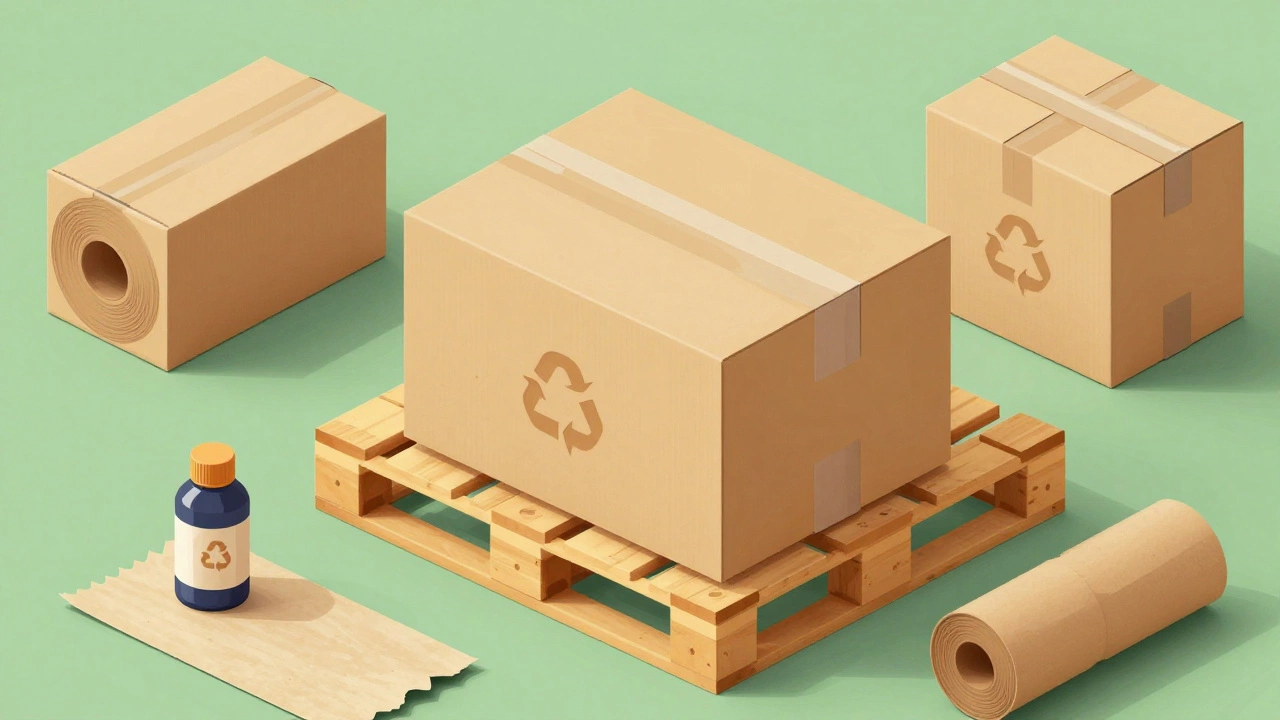
The e-commerce sector continues to expand, even with economic fluctuations. Every online seller needs boxes, bags, and labels that reflect their brand. Large packaging firms ignore small orders. This creates a massive opening for small units focusing on boutique packaging. You do not need a heavy printing press; modern flexographic machines can handle short runs efficiently.
Flexography is a type of printing process that uses flexible relief plates, commonly used in packaging. It allows for quick setup times and lower ink waste compared to offset printing. Starting costs hover around moderate levels, but recurring revenue is high once you secure contracts.
Organic Food Processing Units
Health awareness has peaked. Consumers reject synthetic preservatives and demand traceable ingredients. Setting up a small processing line for organic snacks, spices, or pickles requires less regulatory headache than pharmaceuticals but offers higher volume potential. You source raw produce locally, process it, and label it for supermarkets or direct-to-consumer channels.
This model leverages Supply Chain Management is the management of the flow of goods and services involved in the raw material, intermediate goods, and final products from point of origin to point of consumption. Keeping the chain short reduces spoilage and keeps your margins healthy.
Plastic Mould Components
Automotive and electronics assembly lines constantly need replacement parts and custom moulds. Instead of building the whole car or device, you build the specific clips, casings, or connectors they require. This is technically intensive but highly profitable. You become an essential vendor for larger companies rather than fighting for retail space. Demand for plastic injection remains robust despite sustainability talks because recyclate quality has improved significantly by 2026.
Financial Breakdown: What You Need to Invest
Money dictates your speed. You cannot simply guess the budget. Here is a realistic snapshot of capital requirements for these ventures in the current economy. Prices vary by location, but these figures reflect average regional costs.
| Business Type | Initial Capital Estimate | Break-even Period | Gross Margin Range |
|---|---|---|---|
| Custom Packaging | $25,000 - $45,000 | 12 Months | 25% - 35% |
| Food Processing | $15,000 - $30,000 | 8 - 14 Months | 40% - 60% |
| Plastic Components | $50,000 - $80,000 | 15 Months | 30% - 45% |
Notice that food processing often requires the least cash to start but depends heavily on shelf life management. Plastic components need significant machinery investment ($50k+) but offer stable B2B contracts that last years.
How to Execute Your Plan Effectively
Choosing the business is step one. Execution separates survivors from failures. You need a systematic approach to registration, sourcing, and sales.
Licensing and Compliance
Ignore this at your peril. Operating without clear permissions stops growth before it starts. You need a basic business license, environmental clearance, and specific industry permits. For example, food units need health certificates. Plastic units require pollution control board approval. Completing this before buying machinery saves months of delays. Research local Government Schemes are programs launched by the state or federal government to provide financial or non-financial support to citizens or businesses. Often these schemes offer subsidies on power or interest-free loans.
Sourcing Machinery Wisely
Do not buy brand new equipment immediately if cash is tight. Second-hand machinery works well for starting small. Inspect motors, electrical systems, and structural integrity. Buy from reputable refurbishers who offer warranties. You save 40% of the cost, allowing you to reinvest in raw materials or marketing instead.
Building Sales Channels
You cannot make a product no one buys. Build relationships before production begins. Attend trade fairs. Visit local retailers. Join B2B directories. For packaging, target local logistics hubs. For food, talk to supermarket procurement managers directly. Do not rely solely on Google Ads; organic trust builds faster for manufacturing.

Pitfalls That Kill New Ventures
Most failures happen for predictable reasons. Understanding these saves your capital.
- Overexpansion: Buying extra capacity before securing customers leads to idle assets and debt.
- Quality Inconsistency: One bad batch ruins a brand reputation permanently. Implement QC checks early.
- Cash Flow Crunches: Clients pay on credit terms (30-60 days), but suppliers want cash now. Keep a reserve fund.
- Neglecting Maintenance: Machines breakdown when you need them most. Schedule weekly servicing.
Making the Final Decision
Your choice depends on your skills and local geography. If you live near agricultural hubs, food processing wins on raw material access. Near industrial zones, plastic components thrive. In urban centers, packaging suits the delivery ecosystem. Align your personal strengths with the market gap. Do not start something just because it seems popular elsewhere. Verify demand in your immediate radius first.
What is the lowest investment business?
Among manufacturing options, small-scale organic food processing generally requires the lowest initial capital, typically ranging between $15,000 to $30,000 for a functional setup including packaging and hygiene compliance.
Is manufacturing still profitable in 2026?
Yes, demand for localized production is rising due to global supply chain disruptions. Manufacturing retains value creation, whereas trading merely moves goods. Profitability depends on efficient operations and niche selection.
Do I need technical expertise to start?
You do not need deep engineering skills personally, but you need reliable operators. Hire trained technicians. For management, understanding finance and sales matters more than machine repair initially.
Which licenses are mandatory?
At minimum, you need a trade license, GST registration (if applicable), and fire safety clearance. Industry-specific licenses include FSSAI for food and pollution NOC for plastics or chemicals.
How do I get my first customers?
Start with free samples to demonstrate quality. Reach out to local wholesalers and B2B platforms. Offer competitive pricing during the launch phase to secure volume commitments quickly.