Manufacturing Startup Cost Calculator
Pro Tip: Start Lean
You can save money by renting equipment, ordering materials in small batches, and testing demand before investing heavily.
Starting a manufacturing company isn’t about buying a factory and hoping for the best. It’s about understanding exactly where your money goes-and how little you might actually need to get started. Many people think you need millions. That’s not true. You can launch a real manufacturing business with under $50,000 if you know what you’re doing. The key isn’t scale-it’s focus.
What Kind of Manufacturing Are You Thinking About?
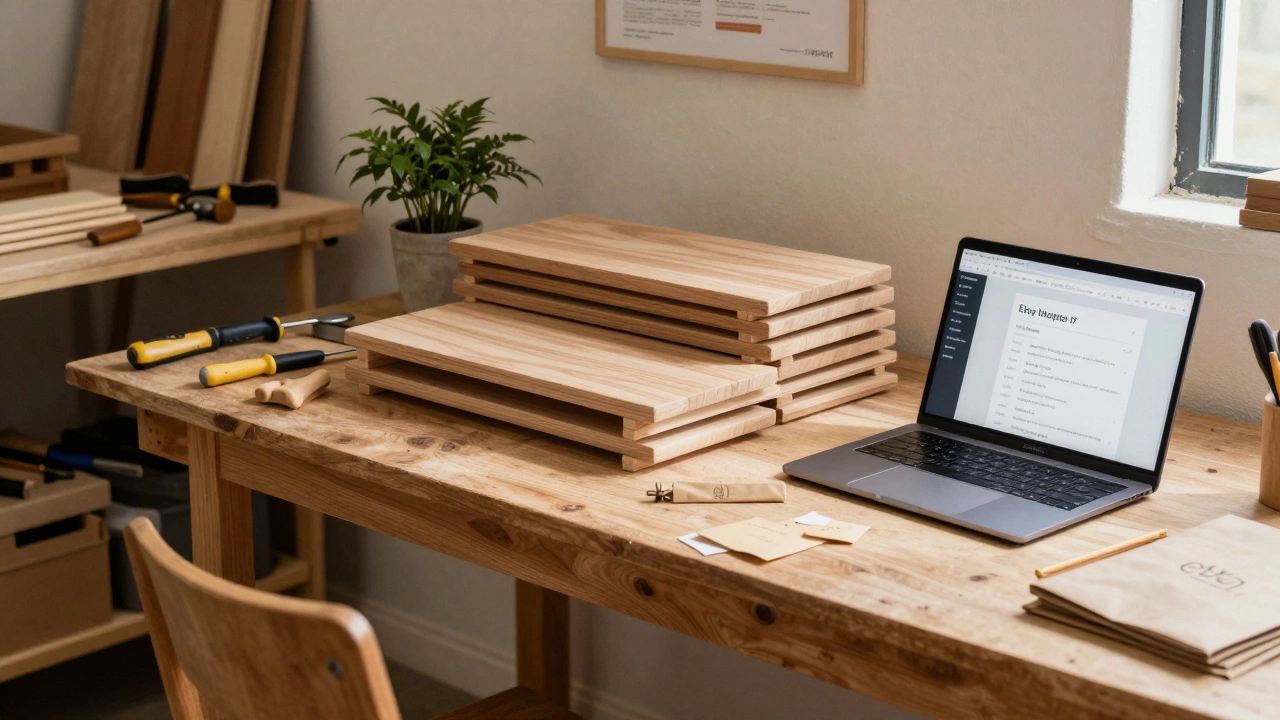
The cost of starting a manufacturing company depends almost entirely on what you’re making. Making custom wooden furniture is totally different from making electronic circuit boards. You don’t need a 10,000-square-foot plant to begin. Many successful manufacturers start in garages, sheds, or rented workshop spaces.
Here’s a quick breakdown of common small-scale manufacturing types and their typical startup costs:
- Food processing (jams, sauces, baked goods): $10,000-$30,000
- Textile printing or small-batch clothing: $15,000-$40,000
- Plastic molding (custom parts): $25,000-$70,000
- Furniture (handmade or modular): $20,000-$50,000
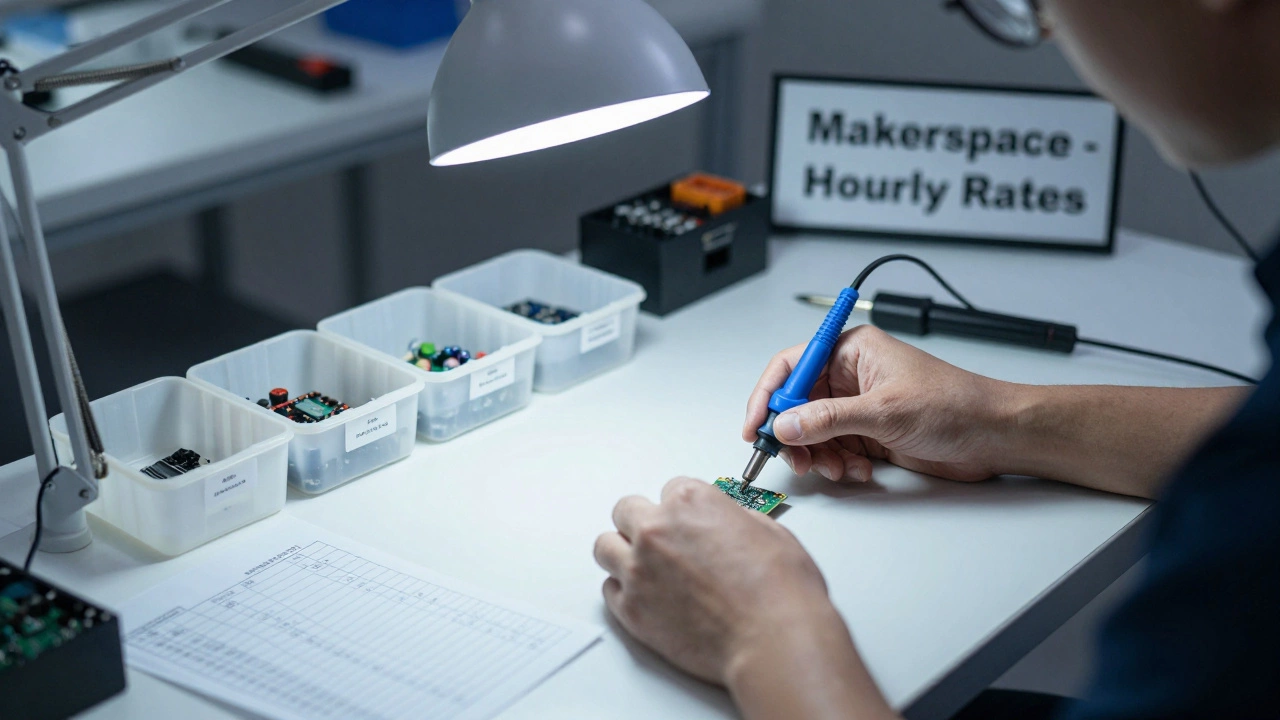
- Electronics assembly (PCB soldering, kit assembly): $30,000-$80,000
Notice how none of these require six-figure investments upfront? That’s because you can start lean. You don’t need to own every machine. You don’t need to hire a team right away. You just need to make something people want to buy.
Where Does the Money Actually Go?
Let’s say you want to start making custom metal brackets for small machinery. You’ve got a design. You’ve talked to five local machine shops. Now, where does your cash disappear?
Equipment-This is the biggest myth. You don’t need to buy a CNC machine for $50,000. Rent one by the hour. Use a local makerspace. Partner with a job shop that already has the tools. Many new manufacturers save 60-70% by outsourcing production at first.
Materials-Buy in small batches. Don’t stockpile steel or plastic. Order what you need for your first 100 units. Test demand before you commit to bulk. A $2,000 material order is better than a $20,000 one you can’t sell.
Regulations and permits-This varies by location. In Australia, you’ll need an ABN, business registration, and possibly environmental or safety certifications depending on your product. For small-scale operations, this usually costs under $1,000. Check with your local council. Some councils offer free startup advice for manufacturers.
Packaging and branding-Don’t skip this. A $500 custom label design and simple kraft boxes can make your product look professional. Customers judge quality by packaging as much as by function.
Marketing and sales-You can start with free tools: Instagram, Facebook Marketplace, Etsy, or local trade groups. Spend your first $1,000 on targeted Facebook ads to test demand. If 10 people buy, you’ve got a real product. If no one buys, go back to the drawing board-before spending more.
How to Start With Less Than $10,000
Yes, it’s possible. Here’s how one Brisbane-based maker did it:
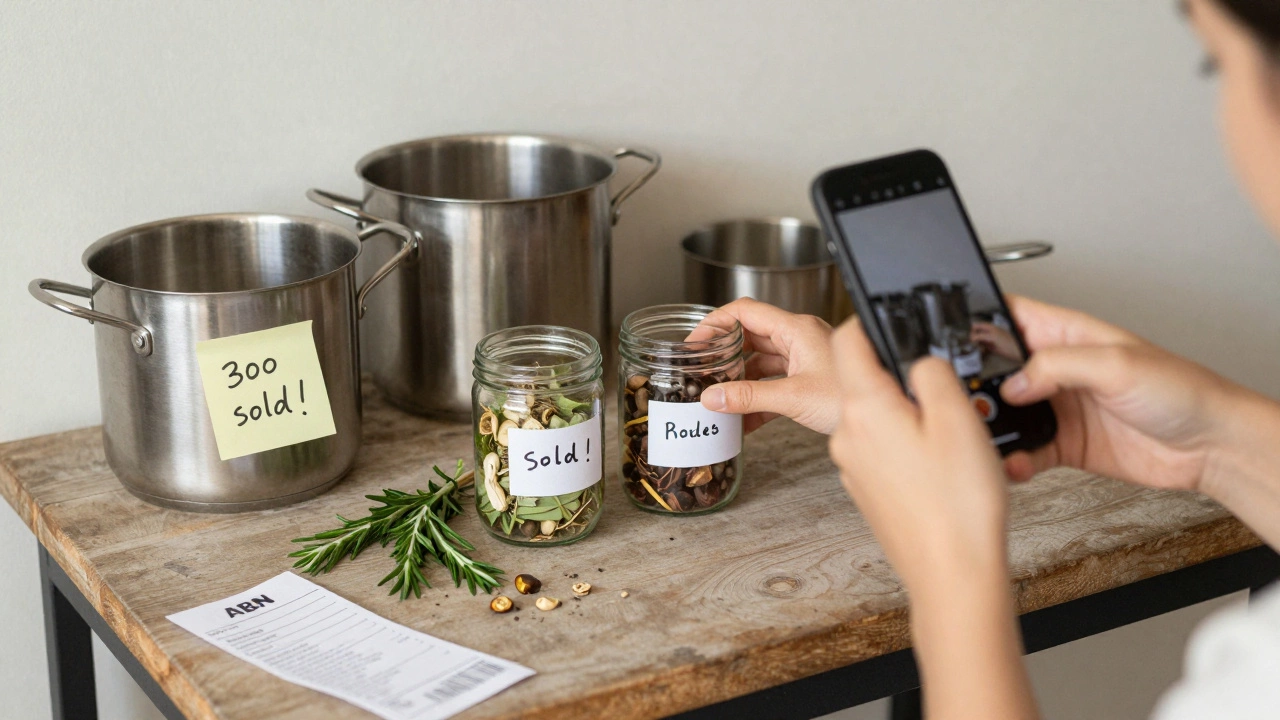
She made handmade herbal salves in her kitchen. She bought a small stainless steel pot ($80), glass jars ($0.50 each), labels ($100 for 100), and organic ingredients in bulk ($1,200). She registered her business for $50. She took photos on her phone and posted them on Instagram. Within three months, she sold 300 jars. Her profit? $4,500. She reinvested it into a small labeling machine and a website.
You don’t need a factory. You need:
- A product that solves a real problem
- A way to make it without owning expensive tools
- A way to sell it without a sales team
Start small. Test fast. Scale only when you know people will pay.
Common Mistakes That Blow Up Your Budget
Most new manufacturers fail because they spend money before they have proof of demand. Here are the top three money traps:
- Buying equipment too early: You think you need a laser cutter. You don’t. Use a local service for your first 50 prototypes. Save $20,000.
- Overbuilding your space: Rent a 200-square-foot unit instead of a 2,000-square-foot warehouse. You don’t need a forklift on day one.
- Ignoring margins: If your product costs $8 to make and you sell it for $15, you’re not making money after fees, shipping, and ads. Always calculate your true cost: materials + labor + overhead + marketing + platform fees.
One manufacturer in Adelaide spent $38,000 on a custom injection molding machine. He made 12 products. Only two sold. He lost everything. He could’ve spent $3,000 on outsourcing and tested 50 product variations. He didn’t.
Government Help and Grants (Yes, They Exist)
Australia has programs to support small manufacturers. The Manufacturing Modernisation Fund offers grants up to $1 million for tech upgrades-but you don’t need that at the start. Look at smaller options:
- Small Business Grants (state-based): Queensland offers up to $10,000 for new manufacturers to cover equipment, training, or certification.
- Export Market Development Grant (EMDG): If you plan to sell overseas, you can get reimbursed for up to 50% of marketing costs after hitting $5,000 in sales.
- Business Victoria / NSW Small Business Advisory Service: Free one-on-one advice on manufacturing compliance, supply chains, and costing.
Don’t wait for a grant to start. But do apply early. Some have waiting lists.
Realistic Timeline: From Idea to First Sale
Here’s what a typical 90-day plan looks like for a $15,000 startup:
- Week 1-2: Finalize product. Make 3 prototypes. Ask 10 potential customers if they’d buy it.
- Week 3-4: Source materials. Get quotes from 3 suppliers. Order enough for 50 units.
- Week 5-6: Set up basic packaging. Design simple labels. Register your business.
- Week 7-8: Take product photos. Set up a free Shopify store or Etsy shop.
- Week 9-10: Launch to 3 local Facebook groups. Run a $100 ad test.
- Week 11-12: If you get 5-10 sales, reinvest. If not, tweak the product or price.
That’s it. No loans. No investors. No fancy office. Just a product, a plan, and a little courage.
What If You Don’t Have $15,000?
Then start with less. You can make soap, candles, or printed tote bags with under $2,000. Use your kitchen. Sell at markets. Take pre-orders. Build a waiting list before you make a single item. That’s how you reduce risk.
Manufacturing isn’t about how much money you have. It’s about how cleverly you use what you do have. The best manufacturers aren’t the ones with the most cash. They’re the ones who listen, adapt, and move fast.
Next Steps: What to Do Today
Don’t wait for the perfect budget. Don’t wait for the perfect idea. Here’s what to do right now:
- Write down one product you could make with tools you already have or can borrow.
- Find 3 people who might buy it. Ask them: "Would you pay $X for this?"
- Calculate the cost to make 10 units. Include materials, time, and packaging.
- Set a price that gives you at least 50% profit after fees.
- Post it on Facebook Marketplace or Instagram. Just one post. See what happens.
If no one bites, you’ve saved yourself $10,000. If someone says yes? You’ve just started a manufacturing company.