7 Wastes in Lean Manufacturing
When studying 7 wastes, the seven forms of non‑value‑added activity identified in lean manufacturing. Also known as Muda, it helps firms spot waste and boost productivity. Lean manufacturing, a systematic method that focuses on eliminating waste while delivering value to customers relies on this concept, and value stream mapping, a visual tool that charts every step of a process to highlight waste is the typical way to see the 7 wastes in action.
Why the 7 Wastes Matter for All Industries
Every business that makes something – from small‑scale plastic producers to global furniture exporters – deals with the same seven culprits: overproduction, waiting, transport, extra processing, inventory, motion, and defects. Recognizing these helps companies like those in our post collection cut costs, meet sustainability goals, and stay competitive. For example, a plastic maker reducing overproduction can lower raw material usage, while a textile hub improving motion flow can speed up order fulfillment.
Lean tools such as Kaizen, continuous improvement practices that encourage small, incremental changes are the engine that turns waste identification into action. When you combine Kaizen with the 7 wastes framework, you get a feedback loop that drives both short‑term savings and long‑term cultural change. Companies that adopt this loop often see a drop in defect rates and a boost in on‑time delivery – the exact outcomes highlighted in posts about machinery exports, chemical shortages, and furniture manufacturing.
Another powerful ally is sustainability, the practice of meeting present needs without compromising future resources. Cutting waste isn’t just about the bottom line; it also reduces energy use, lowers emissions, and supports circular economy initiatives. This connection explains why posts about plastic waste statistics and chemical shortages stress waste reduction as a strategic priority.
To put the 7 wastes into practice, start with a clear audit: map your value stream, tally inventory levels, measure waiting times, and record defect frequencies. Then prioritize the biggest waste sources – often overproduction and excess inventory – and apply Kaizen events to eliminate them. Use visual management boards to keep the team focused, and track improvements with simple metrics like lead‑time reduction or scrap rate decline.
Our curated articles below dive deeper into specific industries and real‑world examples. You’ll see how small‑scale entrepreneurs leverage low‑cost waste cuts, how exporters streamline transport waste, and how manufacturers tackle defects through advanced analytics. Whether you’re looking for quick wins or a full‑scale lean transformation, the insights here will help you apply the 7 wastes framework to your own operations.
Ready to explore concrete case studies, practical tips, and industry‑specific data? Scroll down to discover how businesses across sectors are mastering waste reduction and driving lasting efficiency.
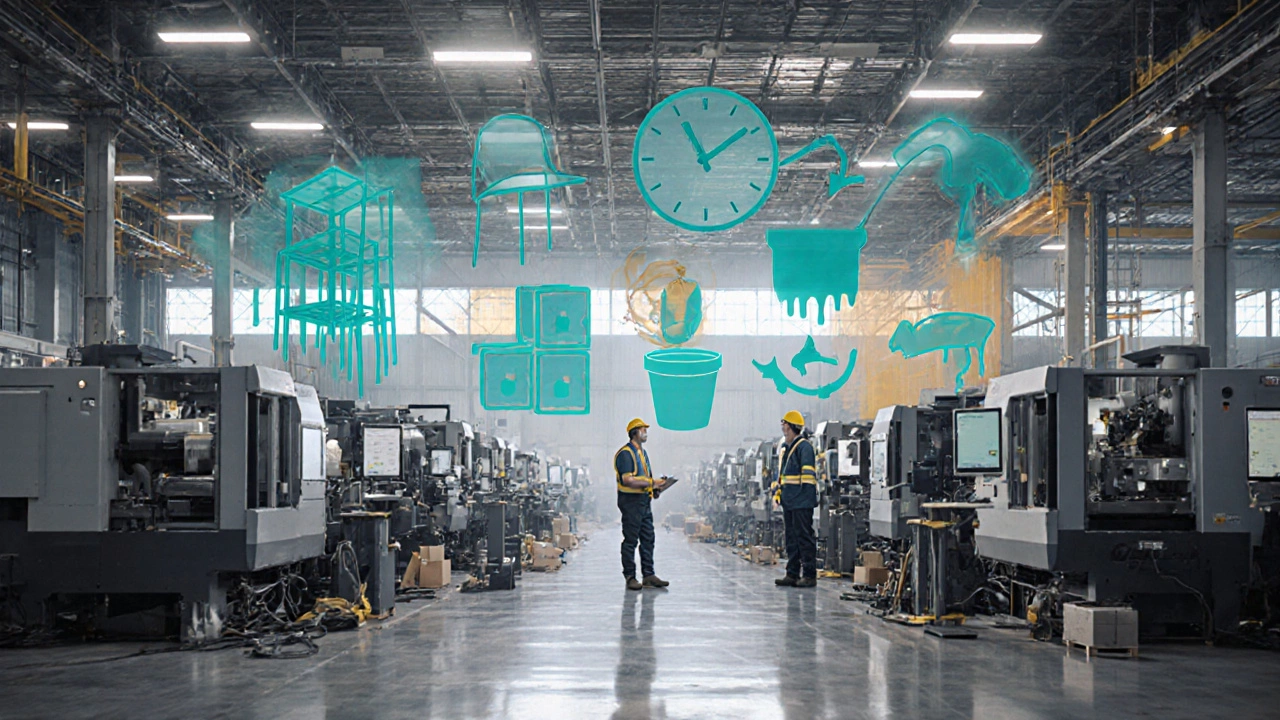
7 Types of Waste in Manufacturing - A Practical Guide
Learn the seven classic wastes in manufacturing, how they hurt your bottom line, and practical steps to eliminate them for lean, cost‑effective production.