Handmade Production: What It Really Means in Modern Manufacturing
When we talk about handmade production, a method of creating goods primarily by human labor with minimal automation. Also known as artisanal manufacturing, it’s often misunderstood as outdated. But in today’s market, it’s one of the most agile ways to build products that customers actually want—especially when you’re starting small or serving niche demand. This isn’t about crafting pottery in a garage. It’s about control: control over materials, quality, timing, and even pricing. Companies that use handmade production can pivot fast, fix mistakes on the fly, and build loyalty because customers know exactly who made their product.
Handmade production relates closely to small scale manufacturing, operations that produce limited volumes with low capital investment. You don’t need a factory full of robots to make money—you need skilled workers, clear processes, and a product people can’t easily find elsewhere. Think of the Indian textile makers in Tiruppur who hand-sew garments for global brands, or the plastic container producers in Gujarat who mold custom packaging using manual presses. These aren’t hobbies. They’re profitable businesses built on precision, not volume.
It also connects to lean manufacturing, a system focused on eliminating waste and maximizing value with minimal resources. Handmade production naturally reduces waste because you only make what you need, when you need it. No overproduction. No excess inventory. No costly recalls from mass defects. That’s why many startups in India use handmade methods to test products before scaling. They learn what sells, fix flaws early, and avoid the high-risk bets of big factories.
What you’ll find in these posts isn’t a nostalgic look at old-school crafts. It’s real-world examples of how handmade production powers today’s most resilient businesses. From local plastic goods makers in India to entrepreneurs scaling up without debt, these stories show how human skill beats automation in the right context. You’ll see how small teams outmaneuver giants by staying flexible, responsive, and deeply connected to their customers. If you’ve ever wondered if handmade can compete in a world of machines—this collection proves it can, and often does, better.
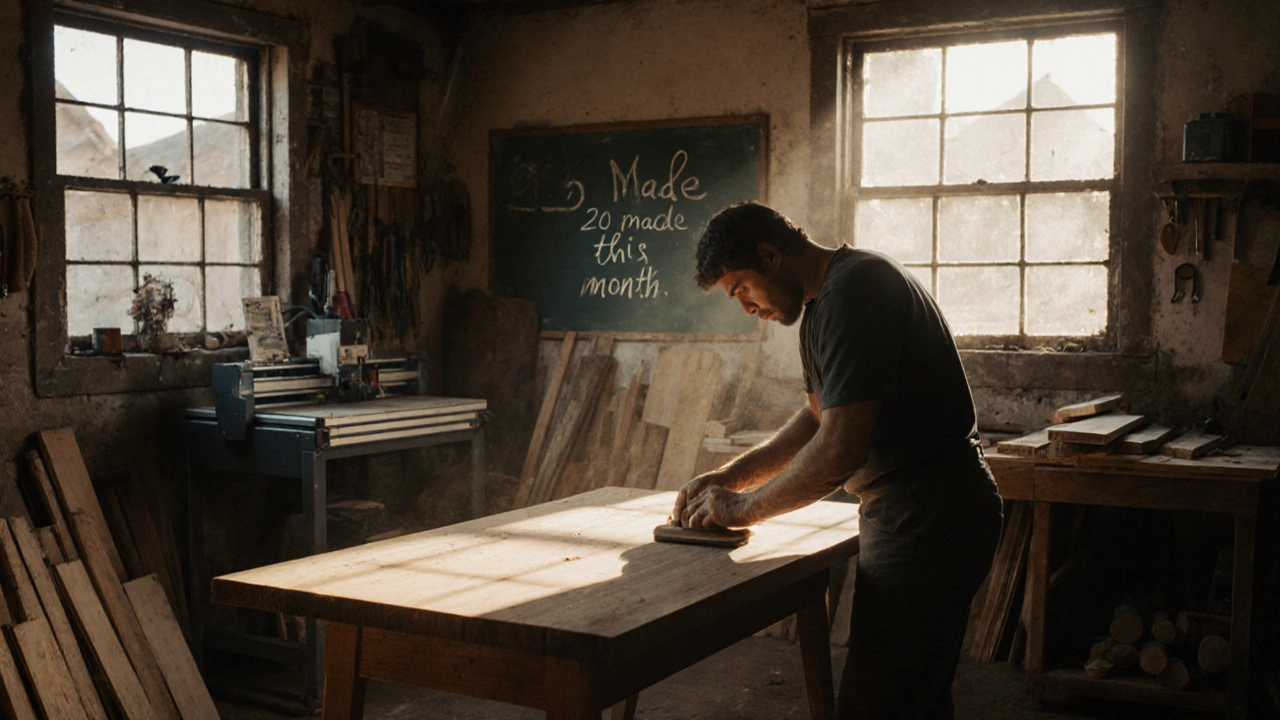
What Is a Small Manufacturer? Definition, Examples, and How They Operate
A small manufacturer is a local business that makes products in small batches, often by hand. They focus on quality, customization, and community over mass production. Learn what they make, how they operate, and why they matter.