Job Creation in Manufacturing: How Local Factories Drive Jobs and Economies
When we talk about job creation manufacturing, the process of generating employment through production activities that turn raw materials into finished goods. Also known as industrial employment, it’s not just about building factories—it’s about building livelihoods. Every time a small workshop in Gujarat makes plastic containers, or a factory in Tamil Nadu assembles electronic parts, people get paid. Not just engineers and managers—workers who load trucks, operate machines, inspect quality, and pack boxes. These aren’t temporary gigs. These are steady jobs with benefits, skills, and dignity.
Manufacturing doesn’t need to be huge to matter. A small scale manufacturer, a local business that produces goods in small batches, often with limited machinery and a tight-knit team. Also known as artisanal production, it can employ 10 or 20 people and still outpace big corporations in job density. In India, these small players make up over 95% of the manufacturing sector. They don’t need billions in funding. They need access to materials, fair rules, and customers who choose locally made. And they do. From furniture made in UP to medical devices produced in Hyderabad, these businesses are quietly creating more jobs than tech startups ever will.
What drives this? It’s not just demand—it’s necessity. When people need food packaging, hygiene products, or affordable household goods, they don’t wait for imports. They buy from the nearest factory. That’s why manufacturing jobs are growing fastest in tier-2 and tier-3 cities, where rent is low and labor is skilled. It’s also why government schemes like Production Linked Incentives (PLI) work—not because they lure multinationals, but because they help local makers scale up and hire more people. You don’t need a Fortune 500 company to create jobs. You just need someone willing to turn plastic pellets into buckets, or metal sheets into kitchenware, and pay people fairly to do it.
Some say automation will kill manufacturing jobs. But look closer. In India, most factories still rely on human hands because machines can’t match the flexibility, low cost, or adaptability of local workers. A small manufacturer can switch from making shampoo bottles to soap trays in a day. A robot can’t. That’s why job creation in manufacturing isn’t fading—it’s evolving. And it’s happening right now, in workshops across the country, in places you’ve never heard of, with people who show up every morning to build something real.
Below, you’ll find real stories from people who started with nothing and built manufacturing businesses that hire others. You’ll see how startups fund production without investors, how Indian companies export electronics and create hundreds of jobs, and why being a manufacturer doesn’t require a factory—just the will to make things and the courage to employ people to help.
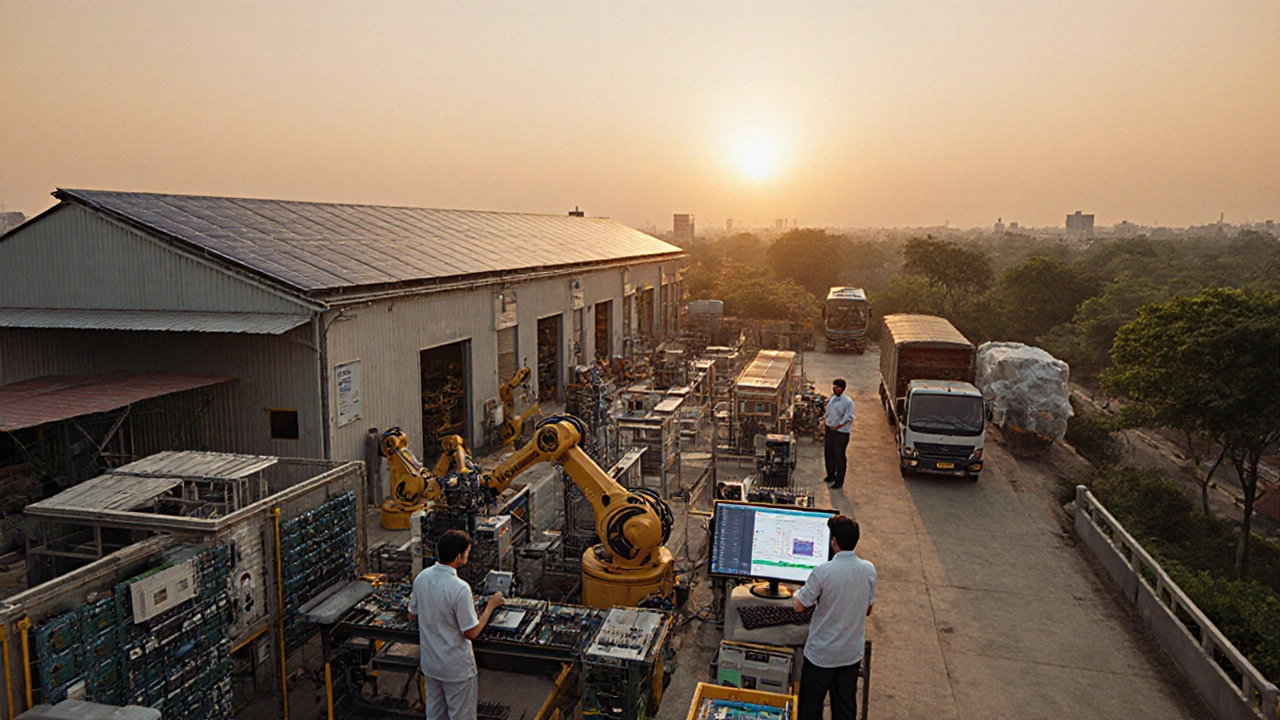
Is Manufacturing Good for the Economy? Here's What Actually Happens
Manufacturing drives economic growth through high-paying jobs, supply chain multiplier effects, and resilience during crises. Government schemes don't just subsidize factories - they build competitive, clean, and skilled industries that last.