Process Improvement: Boost Efficiency and Quality
When working with Process Improvement, the systematic approach to refine workflows, eliminate waste, and raise product quality. Also known as process optimization, it helps companies achieve faster turnaround and lower costs. process improvement isn’t a one‑off fix; it’s a mindset that blends data, people, and technology. Think of it as a roadmap that tells you where you are, where you want to be, and the steps to get there. This roadmap often overlaps with other proven methods, creating a network of tools that feed each other. For example, process improvement encompasses lean manufacturing, while continuous improvement fuels its momentum. In short, the journey starts with a clear definition, then moves to measurable actions.
Key Concepts That Drive Real Change
One of the most popular allies of process improvement is Lean Manufacturing, a philosophy that focuses on delivering value by cutting any activity that doesn’t add direct customer benefit. Lean principles require identifying bottlenecks, streamlining steps, and empowering workers. When a company adopts lean, it often sees a drop in lead times and inventory costs, which directly supports the broader goal of process improvement. Another core idea is Continuous Improvement, the ongoing effort to enhance products, services, or processes through incremental changes. Continuous improvement creates a feedback loop: small tweaks are tested, results are measured, and successful tweaks become standard practice. This loop requires a culture of openness and data‑driven decision making, traits that are also essential for effective process improvement.
While lean and continuous improvement set the stage, many firms turn to Six Sigma, a data‑focused methodology that aims to reduce variation and defects to near‑zero levels. Six Sigma complements process improvement by providing a rigorous statistical toolbox. When you pair Six Sigma’s DMAIC cycle (Define, Measure, Analyze, Improve, Control) with lean’s waste‑cutting mindset, you get a powerful hybrid that tackles both inefficiency and quality gaps. In practice, this combination enables organizations to deliver higher quality products faster, while also keeping costs in check. The synergy among these methods demonstrates how process improvement requires the right mix of tools, culture, and metrics.
Below you’ll find a curated collection of articles that dive deeper into each of these themes. From real‑world case studies on small‑scale industries to step‑by‑step guides on using 120V appliances in India, the posts illustrate how process improvement principles apply across sectors. Whether you’re looking for quick wins or long‑term strategies, the content below offers actionable insights you can start using today. Explore the range, pick the methods that fit your context, and watch your efficiency climb.
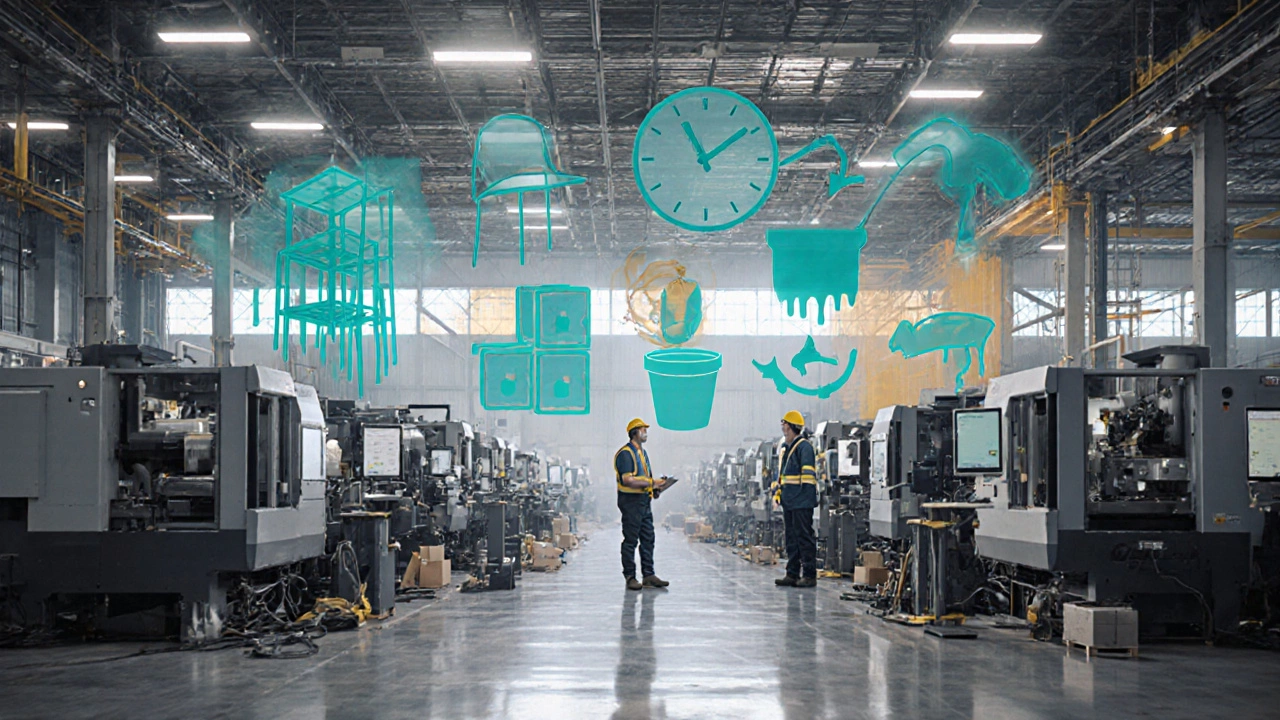
7 Types of Waste in Manufacturing - A Practical Guide
Learn the seven classic wastes in manufacturing, how they hurt your bottom line, and practical steps to eliminate them for lean, cost‑effective production.