Reliance Industries Chemical: What They Make and Why It Matters
When you think of Reliance Industries chemical, a massive Indian conglomerate with one of the world’s largest integrated petrochemical complexes. Also known as RIL chemical division, it doesn’t just make plastic—it builds the foundation for everyday products like bottles, clothes, and packaging. This isn’t a small player. Reliance’s chemical arm produces over 20 million tons of petrochemicals every year, feeding everything from textile mills in Surat to packaging factories in Gujarat. If you’ve ever bought a polyester shirt, a food container, or even a phone case made in India, there’s a good chance it started as a chemical output from Reliance.
Reliance doesn’t just sell chemicals—it controls the chain. From crude oil refining at Jamnagar to turning naphtha into ethylene and propylene, then into polyethylene and polyester fibers, they turn raw materials into building blocks for other industries. This vertical control means they can undercut global competitors on price while keeping quality high. That’s why Indian manufacturers—from small plastic box makers to big furniture brands—rely on Reliance for consistent, affordable raw materials. Their chemical output also supports India’s push for self-reliance in pharma and electronics, where high-purity polymers are needed for medical devices and circuit boards.
It’s not just about volume. Reliance’s chemical division invests heavily in recycling tech and low-emission production, trying to shift from being seen as a polluter to a solutions provider. They’re building plants that turn plastic waste back into feedstock, partnering with startups to create circular systems. This matters because global buyers now demand sustainable sourcing, and Indian manufacturers who use Reliance’s recycled-grade polymers can meet those standards without switching suppliers.
What you’ll find below are real posts that dig into how these chemicals shape everything from manufacturing startups to global trade. You’ll learn which plastics are truly high-quality, how Indian pharma companies depend on these same chemical streams, and why small manufacturers can’t afford to ignore the price swings in polypropylene or PTA. This isn’t theory—it’s the invisible backbone of India’s industrial growth.
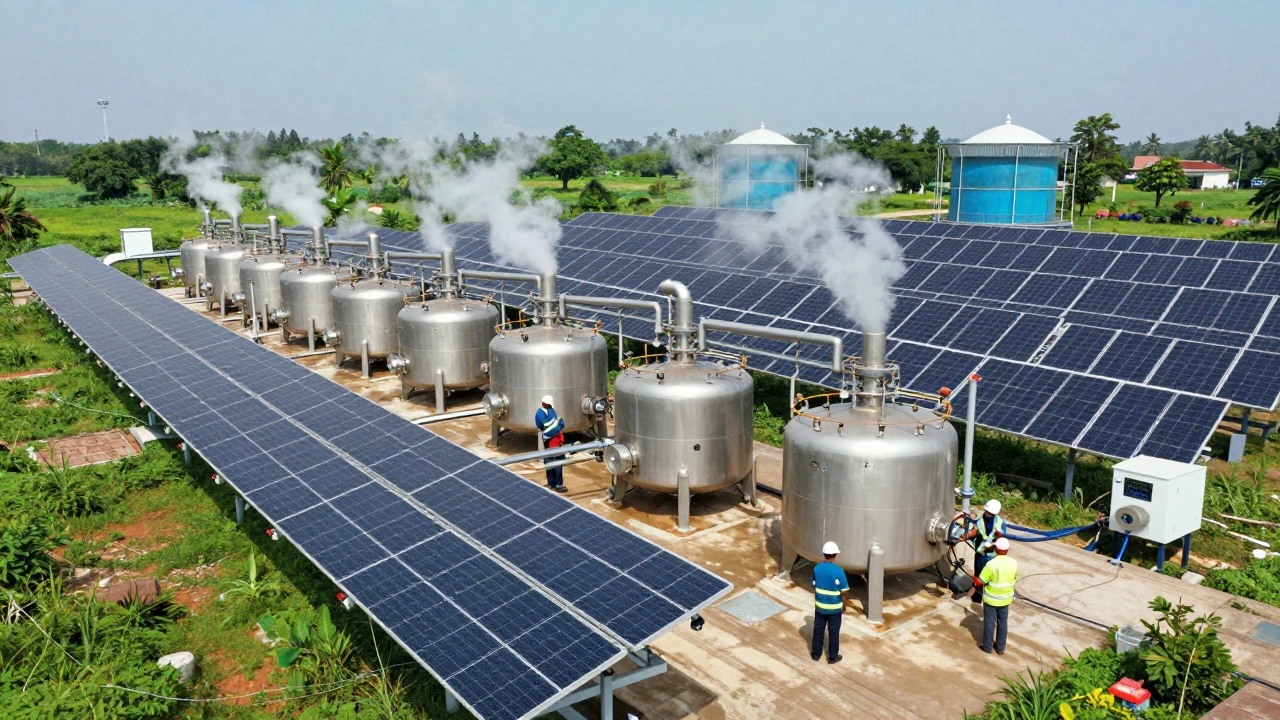
What Is the Largest Chemical Company in Asia?
Tata Chemicals is the largest dedicated chemical company in Asia, with $3.5 billion in annual revenue and operations across 100+ countries. Based in India, it leads in soda ash, baking soda, and sustainable chemical production.