Synthetic Fabrics India: What They Are, Who Makes Them, and Why They Matter
When you buy a pair of athletic shorts, a windproof jacket, or even a cheap T-shirt in India, there’s a good chance it’s made from synthetic fabrics, man-made fibers like polyester, nylon, or acrylic created through chemical processes rather than harvested from plants or animals. Also known as polymer-based textiles, these materials are the backbone of modern clothing and industrial textiles across the country. Unlike cotton or wool, synthetic fabrics don’t rely on farmland or sheep—they’re built in factories using petrochemicals, and India has become one of the biggest producers in the world.
These fabrics aren’t just about cost. They’re stronger, water-resistant, and quicker to dry than natural fibers. That’s why they’re used in everything from sportswear to car seats, hospital gowns to outdoor tents. In India, cities like Surat, Tiruppur, and Ahmedabad have turned into massive hubs for producing these materials. Companies like Urban Polymers India don’t just make plastic containers—they help create the very polymers that become fibers woven into fabric. This is where textile manufacturing India, the large-scale production of fibers, yarns, and fabrics using both natural and synthetic inputs meets polymer fabrication, the process of shaping synthetic materials into usable forms like threads, films, or molded parts. One feeds the other. Without polymer technology, there’s no modern synthetic fabric. And without textile mills, those polymers stay as pellets, not pants.
What’s changing now? Sustainability. Consumers and regulators are asking: Where does the plastic in your shirt come from? Can it be recycled? That’s pushing Indian manufacturers to rethink how they make these fabrics—using recycled PET bottles, reducing water use, and cutting emissions. It’s not just about making more—it’s about making better. And that’s why you’ll find posts here covering everything from how small factories in Tamil Nadu turn plastic waste into thread, to how global brands are sourcing from Indian suppliers who meet international eco-standards.
You’ll also see how these fabrics connect to bigger trends—like India’s push to export more textiles, the rise of fast fashion, and how local brands are competing with global giants. Some posts dive into the machines that spin these fibers. Others look at the workers who operate them. And a few even ask whether synthetic fabrics are helping or hurting the environment. This isn’t just a list of articles—it’s a map of an industry that touches your life every day, whether you realize it or not.
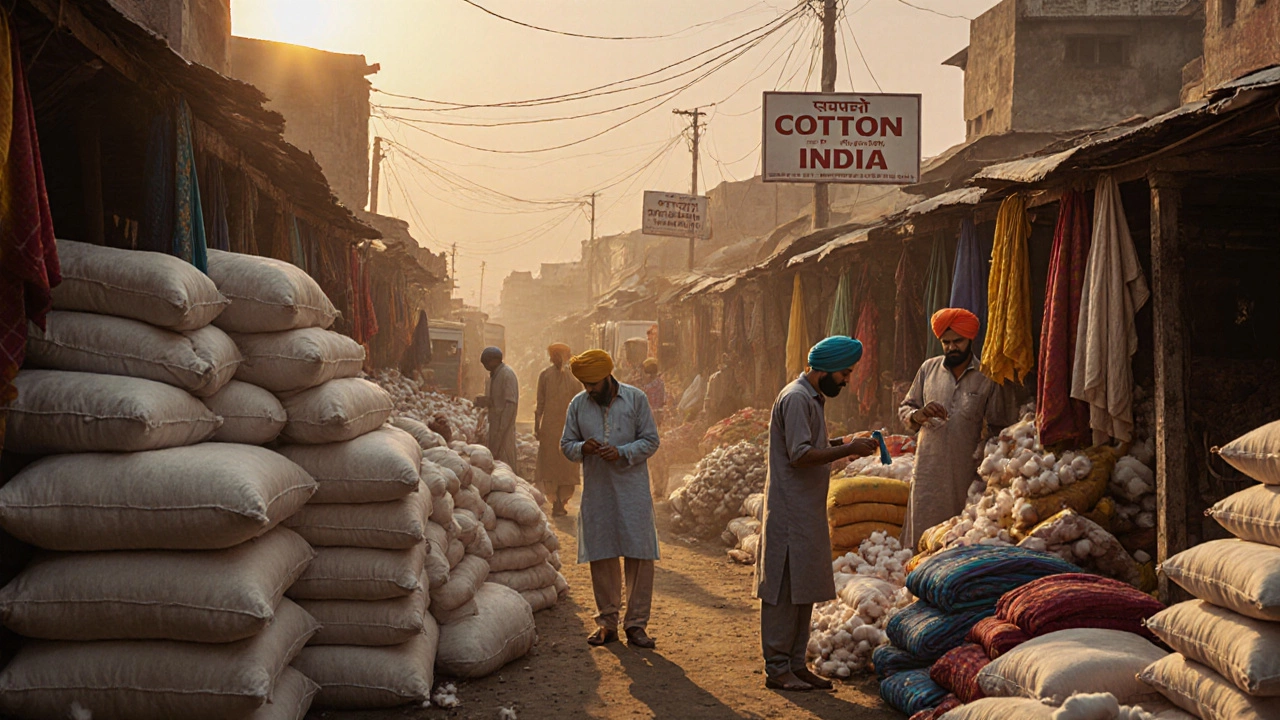
Which Cloth Is Most Demanding in India? Cotton, Silk, and Synthetic Trends in 2025
Cotton is the most demanded fabric in India due to its comfort, affordability, and cultural importance. It dominates daily wear, exports, and government-backed manufacturing, far outpacing silk and synthetics.