Global Furniture Style Matcher
Select the region that aligns most with your vision for quality, style, and value.
Italy
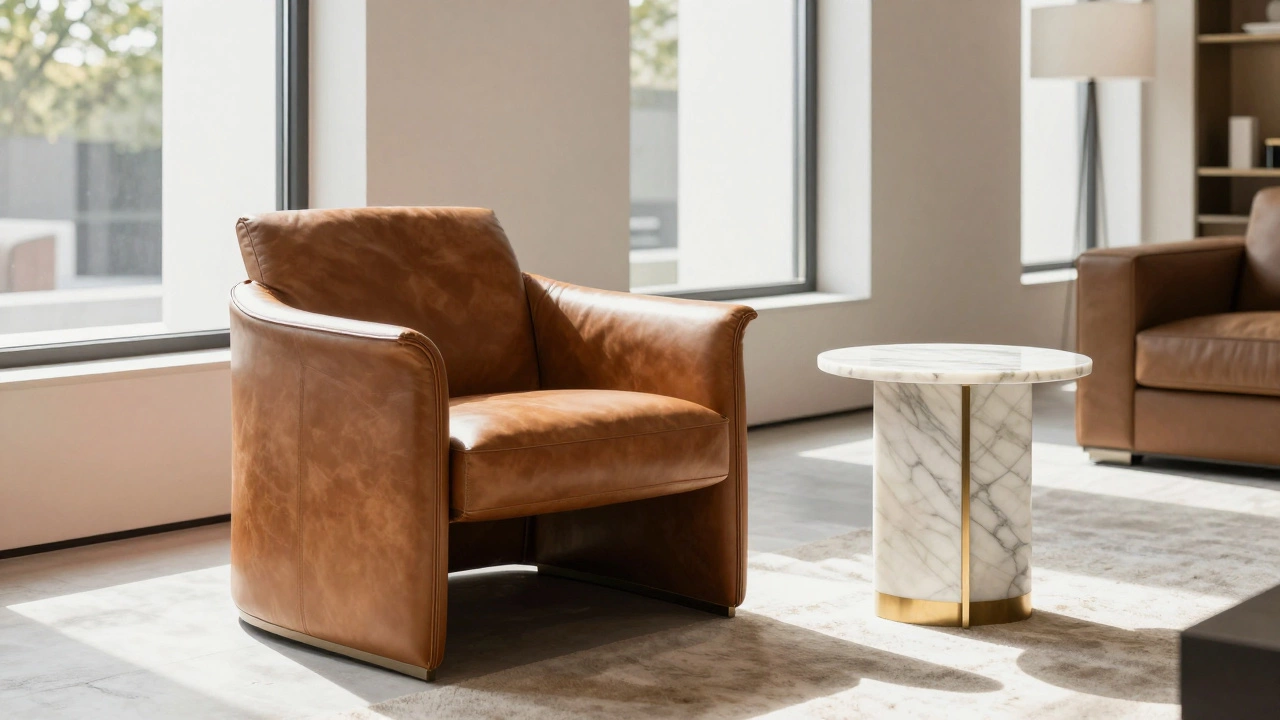
Luxury ArtisanalThe gold standard for high-end design, premium materials like marble and leather, and sculptural aesthetics.
Scandinavia
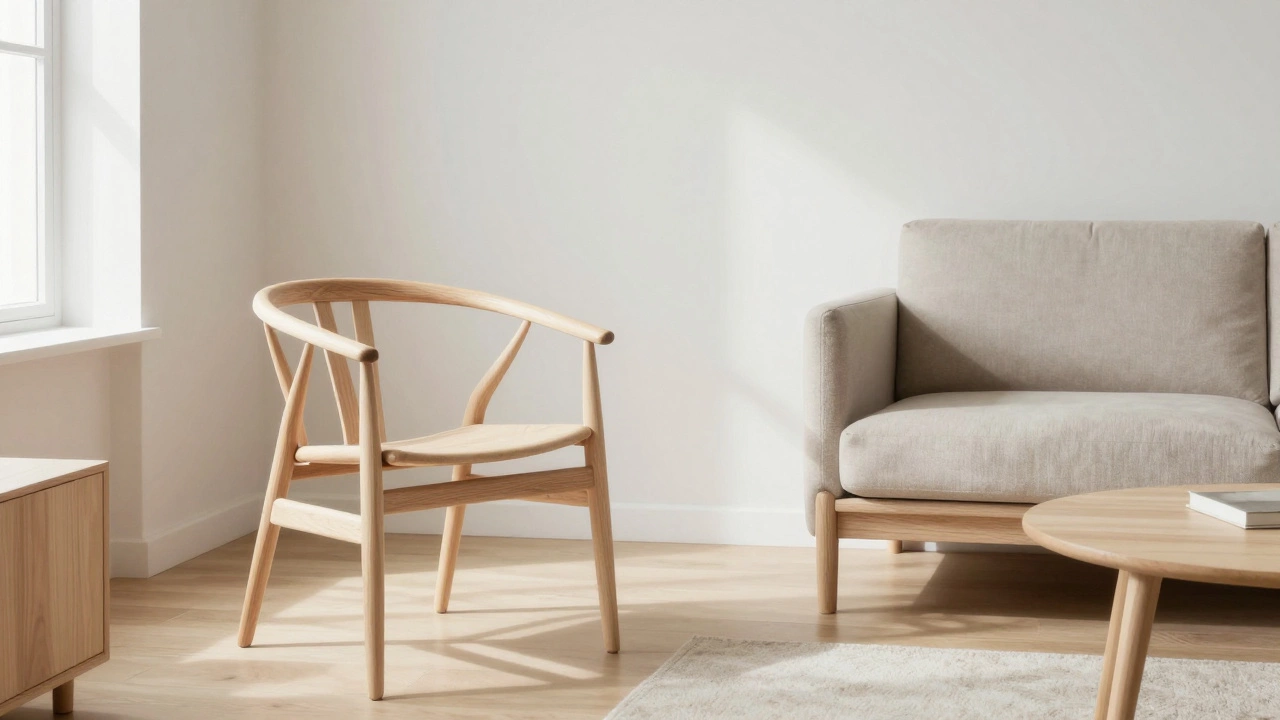
Minimalist Eco-FriendlyFocus on functionality, sustainability, light woods (birch, pine), and clean, uncluttered lines.
India
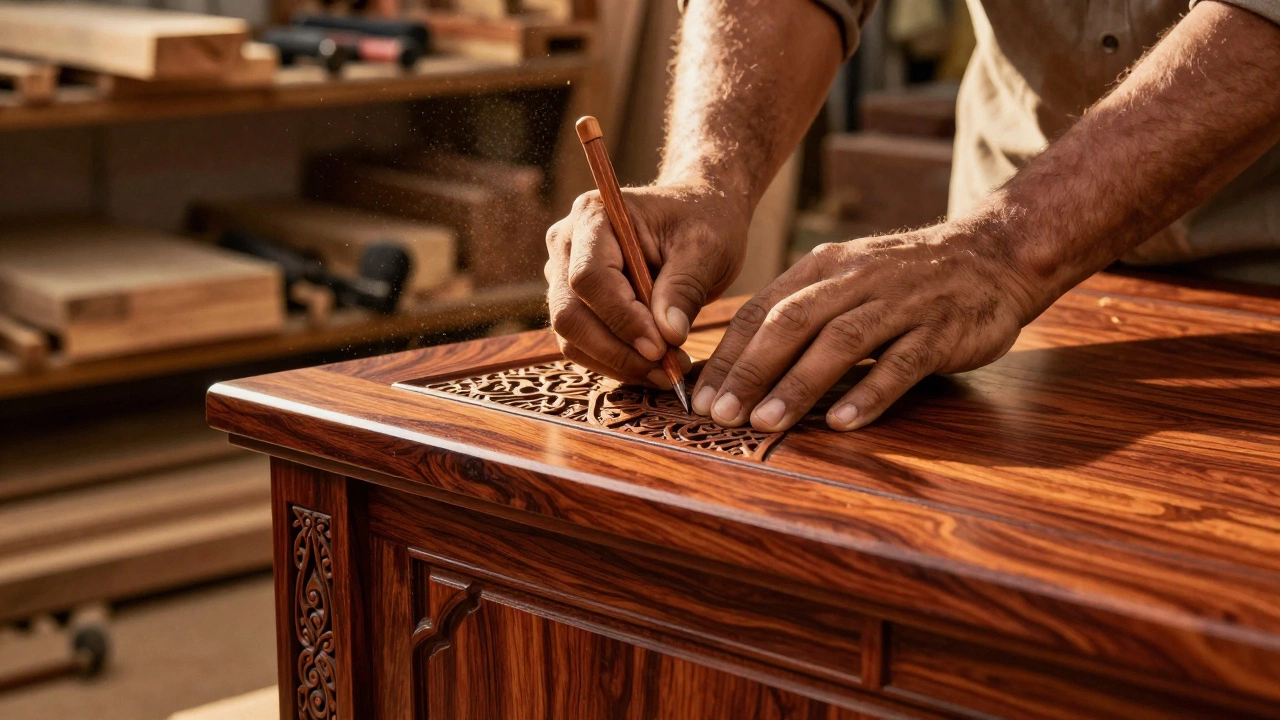
Value CustomizableRising powerhouse combining traditional carving skills with modern efficiency. Great for sheesham wood and bespoke orders.
USA
Innovation RobustLeader in smart furniture integration, advanced technology adoption, and durable mass production.
China
Volume SpeedThe world's factory. Unbeatable supply chain efficiency, rapid prototyping, and scalability for large orders.
Key Strengths:
Best For:
Walk into any high-end showroom in Brisbane, and you’ll likely see a mix of styles: sleek, minimalist lines from the north, rustic warmth from the south, and intricate craftsmanship from Asia. But when it comes to the question of which country makes the best furniture, there isn’t one single answer. The “best” depends entirely on what you value most-heritage craftsmanship, sustainable innovation, affordability, or cutting-edge design.
The global furniture industry is worth over $500 billion, with production hubs spread across five continents. Each region has developed a distinct identity based on its available resources, cultural history, and technological adoption. In this article, we break down the top contenders for the title of best furniture manufacturer, including a deep dive into the rising power of Indian furniture manufacturing, which is a rapidly growing sector known for combining traditional woodworking skills with modern export capabilities.
Italy: The Gold Standard of Luxury Design
If you associate furniture with art, Italy is your reference point. For decades, Italian furniture has been synonymous with luxury, elegance, and uncompromising quality. This reputation wasn’t built overnight; it stems from centuries of artisanal tradition combined with post-war industrial design revolutions.
| Attribute | Details |
|---|---|
| Primary Materials | High-grade hardwoods (oak, walnut), marble, premium leather, polished metals |
| Design Philosophy | Sculptural forms, bold colors, seamless integration of technology and aesthetics |
| Price Range | Premium ($1,000 - $10,000+ per piece) |
| Global Reputation | Leader in high-end residential and commercial luxury sectors |
Italian manufacturers excel in what experts call “design-led engineering.” They don’t just make a chair; they create a statement piece that balances ergonomics with visual drama. Brands like Poltrona Frau and Cassina have set benchmarks that other countries still try to match. However, this excellence comes at a cost. If you’re looking for budget-friendly options, Italy might not be the right fit. Their strength lies in customization and exclusivity, often producing limited runs rather than mass-market goods.
Scandinavia: Function Meets Minimalism
Move north to Sweden, Denmark, and Norway, and the philosophy shifts dramatically. Here, furniture is about democracy and functionality. The concept of “hygge” (coziness) and “lagom” (just the right amount) drives Scandinavian design. It’s clean, uncluttered, and incredibly practical.
Sweden, home to IKEA, revolutionized how the world thinks about flat-pack furniture. But beyond mass production, Scandinavian artisans are renowned for their use of light woods like birch, pine, and ash. These materials are abundant in the region, making them both sustainable and cost-effective. Danish designers, such as Hans Wegner, created iconic pieces like the Wishbone Chair, which remain in production today due to their timeless appeal.
The key advantage of Scandinavian furniture is its versatility. It fits seamlessly into small apartments and large homes alike. Moreover, these countries lead in sustainability certifications. Many Swedish manufacturers adhere to strict environmental standards, ensuring that their wood sources are responsibly managed. If you prioritize eco-friendly practices and minimalist aesthetics, Scandinavia is hard to beat.
India: The Rising Powerhouse of Craftsmanship
While Europe dominates the luxury and minimalist segments, India is emerging as a major global player in furniture exports, driven by skilled labor and diverse material availability. Indian furniture manufacturing is experiencing a renaissance, blending ancient woodworking techniques with modern machinery.
India’s strength lies in its diversity. You have the intricate carvings of Rajasthan, the teak-heavy traditions of Kerala, and the bamboo crafts of the Northeast. This variety allows Indian manufacturers to cater to a wide range of international tastes. Furthermore, India is one of the largest producers of sheesham (Indian rosewood), a hardwood prized for its durability and beautiful grain patterns.
- Cost Competitiveness: Labor costs in India are significantly lower than in Europe or North America, allowing for competitive pricing without sacrificing quality.
- Export Growth: According to recent trade data, India’s furniture exports have grown steadily, with the USA, UK, and UAE being key markets.
- Customization: Indian workshops are highly adept at bespoke orders, offering clients the ability to tailor dimensions, finishes, and designs.
In cities like Moradabad and Jodhpur, clusters of manufacturers specialize in specific styles, creating economies of scale. The government’s “Make in India” initiative has further boosted the sector by improving infrastructure and reducing bureaucratic hurdles. For buyers seeking handcrafted details at mid-range prices, India offers an exceptional value proposition.
USA: Innovation and Mass Production
The United States approaches furniture differently. While it lacks the centuries-old artisanal heritage of Italy or Scandinavia, it excels in innovation and scalability. American manufacturers leverage advanced technologies like CNC machining and automated assembly lines to produce high-quality furniture efficiently.
American design is often characterized by robustness and comfort. Think of the classic wingback chair or the sturdy oak dining table. These pieces are built to last and withstand daily wear and tear. Additionally, the US leads in smart furniture integration, embedding technology into desks, beds, and storage units.
However, the US market is fragmented. You have high-end custom makers in California and New York competing with mass-produced goods from Midwest factories. This means quality can vary widely depending on the brand. Consumers need to research carefully to distinguish between genuine craftsmanship and cheap veneers.
China: The World’s Factory
You cannot discuss global furniture without mentioning China. As the world’s largest exporter of furniture, China produces everything from ultra-cheap particle board items to high-end designer replicas. Its dominance is built on speed, scale, and supply chain efficiency.
Chinese manufacturers have mastered the art of rapid prototyping and mass production. If a trend emerges in Milan, Chinese factories can replicate and distribute it globally within weeks. This agility makes them indispensable for retailers needing quick turnaround times.
Recent years have seen a shift toward higher quality. Many Chinese brands are investing in R&D to improve material durability and design originality. While perceptions of low quality persist, many premium brands now source components from specialized Chinese suppliers who meet stringent international standards.
How to Choose the Right Source for Your Needs
Selecting the best country for your furniture needs depends on your specific goals. Are you furnishing a boutique hotel, setting up a home office, or starting a retail business? Here’s a quick guide to help you decide.
- For Luxury & Statement Pieces: Look to Italy. Expect to pay a premium for unique designs and superior materials.
- For Eco-Friendly & Minimalist Styles: Choose Scandinavia. Focus on brands with FSC certification and sustainable sourcing policies.
- For Handcrafted Details & Value: Consider India. Ideal for those who want solid wood construction with intricate detailing at a reasonable price.
- For Speed & Volume: Partner with China. Best for businesses requiring large quantities of standardized products.
- For Durability & Smart Features: Explore the USA. Great for functional, tech-integrated solutions.
It’s also worth noting that globalization has blurred these lines. Many Italian brands manufacture parts in Eastern Europe, while Indian exporters collaborate with European designers. When evaluating suppliers, focus on their specific capabilities rather than just their nationality.
Future Trends in Global Furniture Manufacturing
The furniture industry is evolving rapidly. Sustainability is no longer a niche concern but a core requirement. Consumers demand transparency about material origins and carbon footprints. Countries that fail to adapt to green manufacturing practices risk losing market share.
Digitalization is another major trend. Augmented reality (AR) tools allow customers to visualize furniture in their spaces before buying, reducing return rates. Meanwhile, 3D printing is enabling hyper-customization, letting users tweak designs down to the millimeter.
India is positioning itself well for these changes. With a young, tech-savvy workforce and increasing investment in digital infrastructure, Indian manufacturers are ready to embrace smart manufacturing. This could shift the balance of power, making India a key hub for next-generation furniture production.
Is Indian furniture cheaper than European furniture?
Generally, yes. Due to lower labor costs and abundant raw materials like sheesham wood, Indian furniture often offers better value for money compared to European counterparts. However, high-end Indian artisan pieces can command premium prices due to their craftsmanship.
What is the most durable wood used in furniture manufacturing?
Teak and Indian rosewood (sheesham) are among the most durable woods. They resist rot, insects, and warping, making them ideal for long-lasting furniture. Oak and maple are also excellent choices for heavy-use items.
Can I trust online reviews of furniture from different countries?
Online reviews can be helpful but should be taken with caution. Look for detailed photos and comments about durability over time. Be wary of overly positive reviews that lack specifics. Independent testing labs and industry certifications provide more reliable assessments.
Why is Scandinavian furniture so popular worldwide?
Scandinavian furniture appeals to global audiences because of its simplicity, functionality, and neutrality. Its light colors and clean lines fit into various interior styles, from modern to bohemian. Additionally, its emphasis on sustainability resonates with environmentally conscious consumers.
How does climate affect furniture manufacturing?
Climate influences the types of wood available and the drying processes required. Humid regions may need additional treatment to prevent moisture damage, while dry climates might require careful handling to avoid cracking. Manufacturers must adapt their techniques to local conditions to ensure product longevity.