US Steel Mill Technology & Regional Explorer
Nucor Corporation
EAF DominantMini-mill model. Largest US producer.
Cleveland-Cliffs
Blast FurnaceLast vertically integrated producer.
Steel Dynamics
EAF / RecyclingAggressive expansion in rolling.
SSAB America
Specialty / PremiumHigh-grade stainless & alloy steels.
Select a Company to Analyze
Click one of the cards above to view specific operational details, technology usage, and regional footprint based on 2026 data.
Walk past a rusted factory gate in Pittsburgh or Gary, and it’s easy to believe the American steel industry is a ghost town. For decades, headlines screamed about closures, layoffs, and the 'Rust Belt' becoming a permanent scar on the map. But if you think there are no steel mills left in the United States, you’re looking at an outdated picture. The reality in 2026 is far more complex: the industry hasn’t died; it has mutated.
The US still produces over 80 million metric tons of crude steel annually. That number might sound smaller than the peak of 1973, but it represents a resilient, modernized sector that supplies everything from skyscrapers in New York to pickup trucks in Detroit. The question isn’t whether steel mills exist-they do. The real questions are: where are they, how do they work now, and why does the type of mill matter more than ever?
The Shift from Blast Furnaces to Electric Arc Furnaces
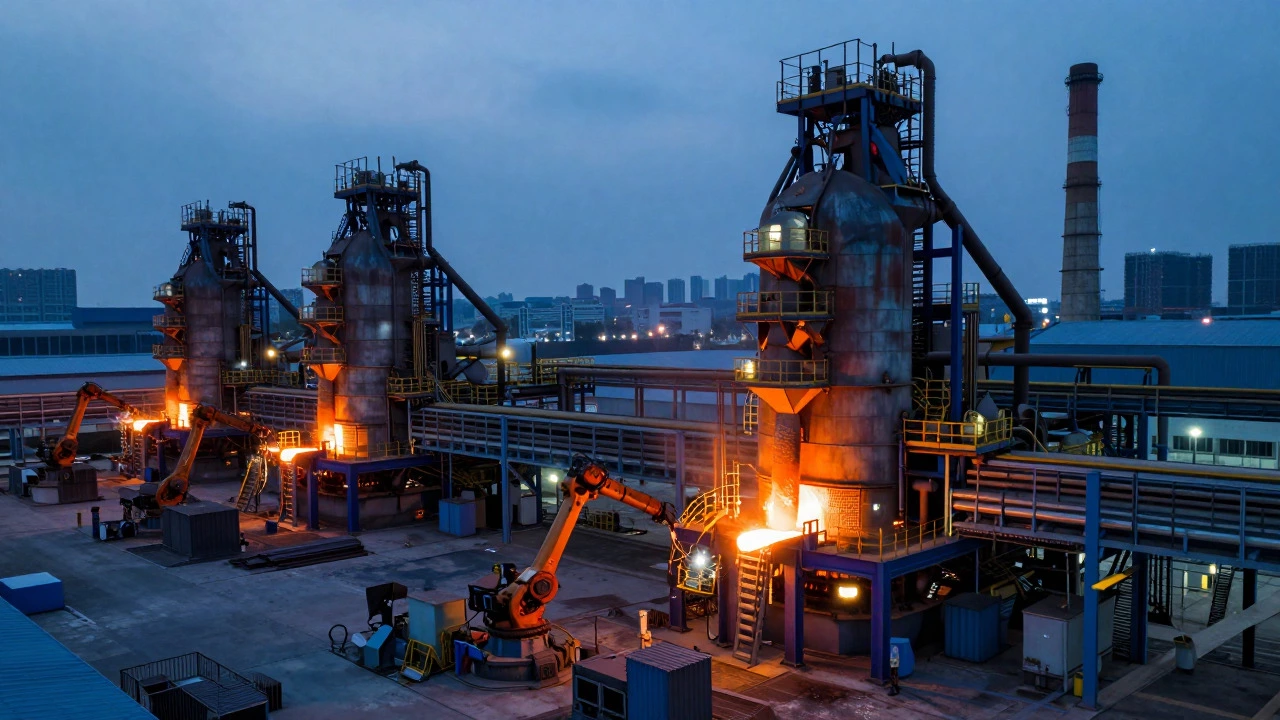
To understand the current landscape, you have to look at the technology. Historically, US steelmaking relied heavily on integrated mills using blast furnaces. These massive plants smelt iron ore with coke to create molten iron, which is then refined into steel. They are capital-intensive, energy-heavy, and require economies of scale that are hard to maintain when global competition is fierce.
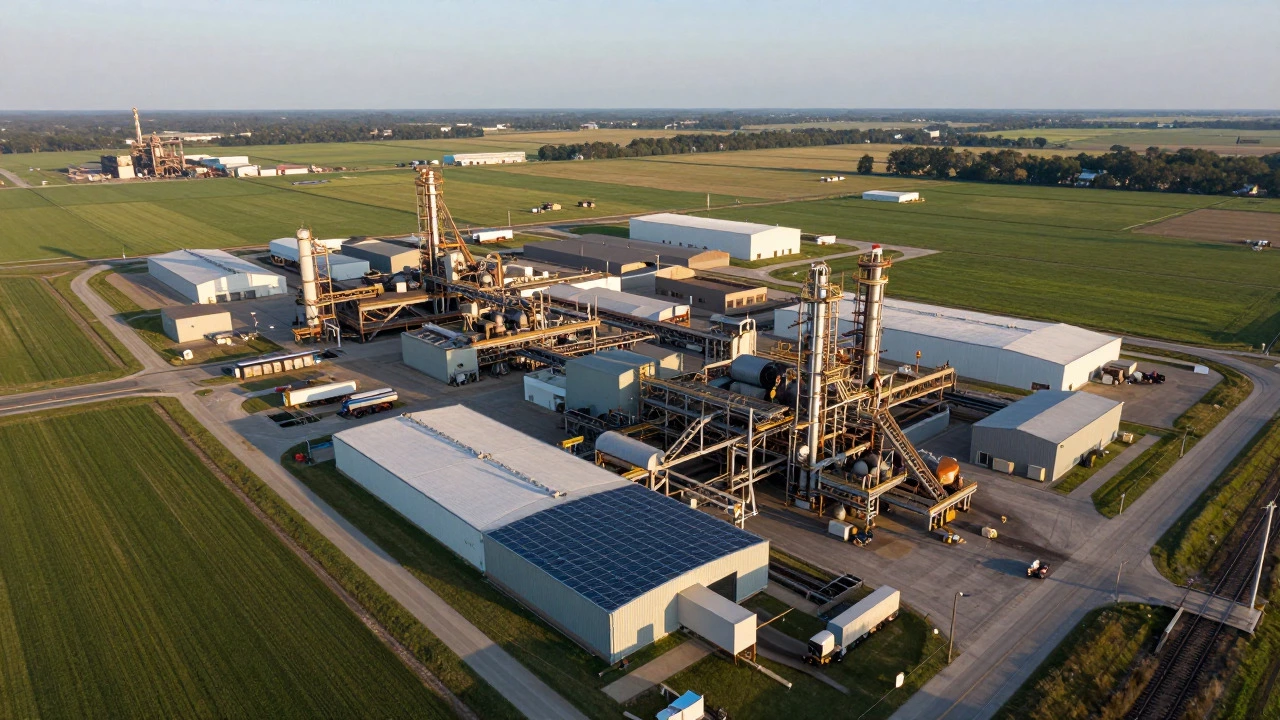
Today, the dominant force in American steel production is the Electric Arc Furnace (EAF), a method of producing steel by melting scrap metal using high-power electricity. This shift didn't happen overnight. It accelerated through the 1990s and 2000s as environmental regulations tightened and scrap metal became readily available. EAFs are smaller, cheaper to build, and can be located closer to urban centers where construction demand is high. They also allow for greater flexibility in production volumes.
In 2026, approximately 70% of US steel capacity comes from EAFs. This means the 'mill' you are looking for might not be the sprawling industrial complex of the past. Instead, it could be a mid-sized facility processing recycled steel in Ohio, Texas, or Indiana. This technological pivot explains why job numbers haven't rebounded to their 1970s highs despite stable production levels: EAFs require fewer workers per ton of steel produced.
Who Are the Major Players Today?
If you are scanning the map for active operations, several major companies dominate the scene. Understanding who owns these mills helps clarify the industry's strategic direction.
- Nucor Corporation: The largest steel producer in the United States, known for its mini-mill model and extensive use of EAF technology. Nucor operates dozens of facilities across the country. Their strategy focuses on agility and cost-efficiency. They don't just make steel; they roll it and shape it, capturing more value within their own supply chain.
- Steel Dynamics Inc.: A major diversified steel and aluminum recycler and manufacturer with significant EAF capacity. Like Nucor, SDI relies heavily on scrap metal. They have aggressively expanded their rolling and finishing capabilities, making them a key supplier for automotive and construction sectors.
- Cleveland-Cliffs: The last remaining vertically integrated steel producer in the US, owning mines, coking coal operations, and blast furnaces. Cleveland-Cliffs is unique because it still runs traditional blast furnaces in locations like Toledo, Ohio, and Indiana Harbor. They are the primary source of flat-rolled steel used in cars, meaning they hold a strategic position in the automotive supply chain.
- SSAB America: A subsidiary of the Swedish steel company SSAB, focusing on premium steel products including stainless and alloy steels. While smaller in volume compared to Nucor, SSAB plays a critical role in specialized markets requiring high-grade materials.
These companies aren't just surviving; they are investing billions in upgrades. Nucor, for instance, has been expanding its direct reduced iron (DRI) capabilities to reduce reliance on imported raw materials. Cleveland-Cliffs has partnered with hydrogen producers to test green steel technologies, aiming to decarbonize their blast furnace operations.
Geographic Distribution: Where Is the Steel Made?
The geographic footprint of US steel production has shifted southward and westward over the last few decades. While the Great Lakes region remains a hub, new capacity has emerged in states with lower energy costs and favorable regulatory environments.
| Region | Primary Companies | Dominant Technology | Key Output |
|---|---|---|---|
| Great Lakes (Ohio, Indiana, Michigan) | Cleveland-Cliffs, U.S. Steel | Blast Furnace & EAF | Flat-rolled steel, automotive sheets |
| Southeast (Alabama, Tennessee) | Nucor, Steel Dynamics | EAF | Rebar, structural beams, wire rod |
| Texas | Nucor, Tenaris | EAF | Pipe, tubing, oilfield services |
| Midwest (Illinois, Wisconsin) | U.S. Steel, Cleveland-Cliffs | Mixed | Construction steel, automotive parts |
Texas, for example, has become a powerhouse for tubular products due to the proximity to the Permian Basin oil fields. Alabama attracts manufacturers because of its access to cheap hydroelectric power from the Tennessee Valley Authority (TVA). This decentralization makes the US steel industry more resilient to regional disruptions but also complicates logistics for national infrastructure projects.
The Impact of Trade Policy and Tariffs
You cannot discuss US steel mills without mentioning trade policy. Since 2018, Section 232 tariffs have imposed a 25% levy on most imported steel. Proponents argue this protects domestic jobs and ensures national security. Critics say it raises costs for downstream manufacturers, particularly in construction and agriculture.
In 2026, the debate continues. The tariffs have undeniably kept some marginal US mills operational. Without them, cheaper imports from countries with less stringent environmental standards might have flooded the market again. However, the protectionism has also led to retaliatory measures from trading partners, affecting US exports of finished goods.
Furthermore, the World Trade Organization (WTO) disputes regarding these tariffs remain unresolved in many aspects. Companies like Nucor and Cleveland-Cliffs lobby consistently for continued safeguards, arguing that fair competition requires level playing fields regarding carbon emissions and subsidies abroad. This political tightrope walk defines the business environment for every mill owner today.
Green Steel: The Next Frontier
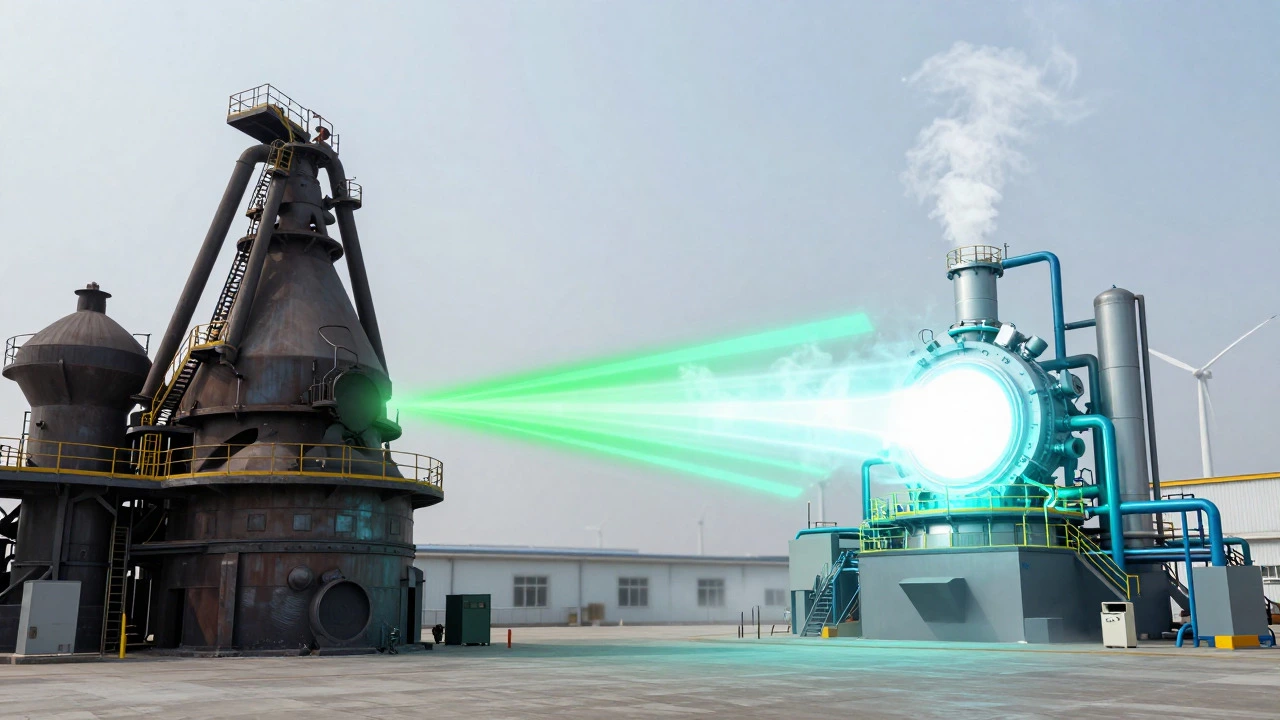
The biggest challenge facing US steel mills in 2026 isn't just competition-it's carbon. The steel industry accounts for roughly 7-9% of global CO2 emissions. As governments tighten emission caps and consumers demand sustainable building materials, mills must adapt or face obsolescence.
This is driving the rise of 'green steel.' Traditional blast furnaces rely on coal. To cut emissions, companies are exploring two main paths:
- Hydrogen DRI: Using hydrogen instead of natural gas or coal to reduce iron ore. When combined with renewable energy, this process emits only water vapor. Cleveland-Cliffs and other firms are piloting this technology, though scaling it up requires massive amounts of cheap green hydrogen, which is currently scarce.
- Carbon Capture and Storage (CCS): Capturing CO2 at the source and storing it underground. This allows existing blast furnaces to continue operating while meeting regulatory targets. Several projects in the Midwest are evaluating CCS feasibility, supported by federal tax incentives under the Inflation Reduction Act.
EAFs already have a lower carbon footprint because they recycle scrap. However, even EAFs need cleaner electricity grids to become truly sustainable. As the US grid transitions to renewables, the environmental advantage of domestic EAF steel will grow, potentially giving US mills a competitive edge in export markets that penalize high-carbon imports.
Challenges Facing Domestic Production
Despite the resilience, the industry faces headwinds. Labor shortages are acute. Younger generations often view steelworking as dirty and dangerous, ignoring the modern reality of automated, tech-driven facilities. Training programs exist, but filling skilled positions remains difficult.
Energy costs also fluctuate. Natural gas prices directly impact EAF efficiency and profitability. Any spike in energy markets squeezes margins, forcing mills to pass costs onto customers or reduce output. Additionally, the availability of high-quality scrap metal is becoming a constraint. As recycling rates increase globally, the price of scrap rises, eating into the cost advantage of EAF production.
Finally, infrastructure decay poses a logistical nightmare. Many mills rely on rail and barge transport for raw materials and finished goods. Aging bridges, congested ports, and unreliable rail networks delay shipments and increase inventory costs. Federal investments in infrastructure aim to alleviate this, but progress is slow.
Conclusion: A Transformed Industry
So, are there steel mills left in the US? Absolutely. But they look different than they did fifty years ago. They are smaller, smarter, and more distributed. They rely less on virgin iron ore and more on recycled materials. They are navigating a complex web of trade policies, environmental regulations, and technological shifts.
For investors, policymakers, and consumers, understanding this transformation is crucial. The era of monolithic integrated mills dominating the landscape is over. The future belongs to agile, efficient, and increasingly green producers who can balance cost, quality, and sustainability. The US steel industry is not dead; it is evolving, and its survival depends on continuing to adapt to a rapidly changing world.
How many steel mills are currently operating in the United States?
As of 2026, there are approximately 40-50 major steel-producing facilities in the US. This number includes both large integrated mills and numerous smaller Electric Arc Furnace (EAF) operations. The exact count fluctuates slightly due to minor consolidations and temporary idlings, but the core infrastructure remains robust.
What is the difference between a blast furnace and an electric arc furnace?
A blast furnace uses iron ore and coke (coal) to produce molten iron, which is then refined into steel. It is energy-intensive and suited for continuous, high-volume production. An Electric Arc Furnace (EAF) melts scrap metal using electricity. EAFs are more flexible, cheaper to operate, and have a lower carbon footprint, making them the preferred choice for most new US capacity.
Why did so many steel mills close in the Rust Belt?
Closures were driven by a combination of factors: intense global competition from countries with lower labor costs, aging infrastructure, strict environmental regulations, and a shift in consumer demand towards lighter materials like aluminum in the automotive sector. Additionally, the rise of more efficient EAF technology made older, larger blast furnace plants economically unviable.
Is US steel considered high quality?
Yes, US steel is widely regarded as high quality, particularly in specialized grades used for automotive, aerospace, and construction applications. Strict regulatory standards and advanced manufacturing processes ensure consistency and reliability. Brands like Cleveland-Cliffs and Nucor are recognized globally for their premium product lines.
What is 'green steel' and is it available in the US?
Green steel refers to steel produced with minimal carbon emissions, often using hydrogen or renewable energy. While fully commercial-scale green steel is still emerging, several US companies are piloting projects. By 2026, limited quantities of low-carbon steel are available for specific contracts, with wider adoption expected as hydrogen infrastructure expands.