Plastic Persistence & Impact Calculator
Input Parameters
Analysis Results
Enter data to see persistence timeline and impact.
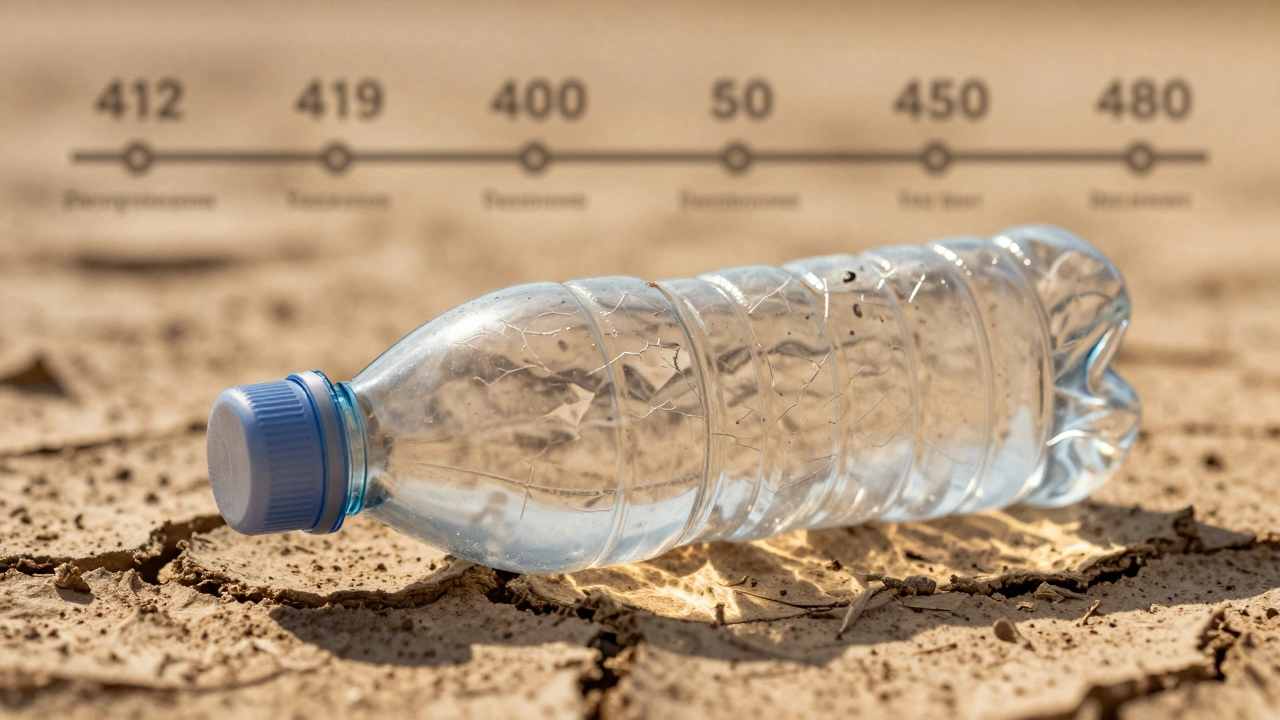
You throw a plastic bottle in the trash. You assume it will disappear. It won’t. Not in your lifetime. Not in your grandchildren’s lifetime. In fact, that single bottle could remain recognizable for up to 450 years. This isn’t just an environmental statistic; it is a critical operational reality for anyone involved in plastic manufacturing, the industrial process of converting polymer resins into finished goods through methods like injection molding, extrusion, and blow molding.
If you are running a manufacturing business or simply trying to understand the lifecycle of the materials you use, knowing exactly how long different plastics persist is essential. The answer isn’t a single number. It depends entirely on the chemical structure of the polymer, the environment it ends up in, and whether it breaks down via photodegradation (sunlight) or biological means.
The Reality of Plastic Persistence
Most people think "disintegrate" means turning into compost. For conventional plastics, this is a myth. Most synthetic plastics do not biodegrade. Instead, they undergo photodegradation, where UV radiation from the sun weakens the polymer chains, causing the material to crack and fragment into smaller pieces called microplastics. These fragments can last indefinitely, entering soil and water systems without ever truly vanishing.
For manufacturers, this persistence creates a dual challenge: regulatory pressure to reduce waste and consumer demand for sustainable alternatives. Understanding the specific timeline for each resin type helps you make better material choices and communicate accurate lifecycle data to clients.
Disintegration Timelines by Plastic Type
Not all plastics are created equal. Their molecular structures dictate their lifespan. Here is a breakdown of common plastics used in manufacturing and their estimated time to fully disintegrate in natural environments.
| Plastic Type | Common Uses | Time to Disintegrate | Degradation Method |
|---|---|---|---|
| Paper Wrappers | Packaging, labels | 1-5 months | Biodegradation |
| Aluminum Cans | Beverage containers | 80-200 years | Oxidation/Corrosion |
| Polyethylene Terephthalate (PET) | Water bottles, food containers | 450+ years | Photodegradation |
| High-Density Polyethylene (HDPE) | Milk jugs, detergent bottles | 100-500 years | Photodegradation |
| Polystyrene (PS) | Styrofoam cups, packaging peanuts | 500+ years | Fragmentation only |
| Polyvinyl Chloride (PVC) | Pipes, vinyl siding, cables | 100-500 years | Photodegradation |
| Polypropylene (PP) | Yogurt containers, straws | 20-30 years (surface) / 500+ years (bulk) | Photodegradation |
| Bioplastics (PLA) | Compostable cutlery, bags | 3-6 months (industrial) | Industrial Composting |
Why the Numbers Vary So Much
You might notice a huge range in these estimates. Why does a PET bottle take 450 years while some sources claim plastic bags take 20? The difference lies in thickness, additives, and environmental conditions.
Thickness matters. A thin plastic bag has more surface area exposed to sunlight and oxygen compared to a thick HDPE jug. The bag fragments faster, but those fragments still persist. The jug takes longer to crack but remains intact as a larger object for decades.
Additives change everything. Manufacturers often add stabilizers, colorants, and plasticizers to improve durability. These chemicals can either accelerate breakdown (in rare cases) or significantly slow it down. For example, PVC contains chlorine, which makes it highly resistant to microbial attack, extending its life far beyond simple polyolefins like PE or PP.
Environment is key. Plastic buried in a landfill decomposes much slower than plastic left on a beach. Landfills lack oxygen and light, two primary drivers of degradation. Ocean plastic, however, is constantly bombarded by UV rays and physical abrasion from waves, causing it to fragment into microplastics within weeks or months, even if the molecules themselves never break down completely.
The Myth of Biodegradable Plastics
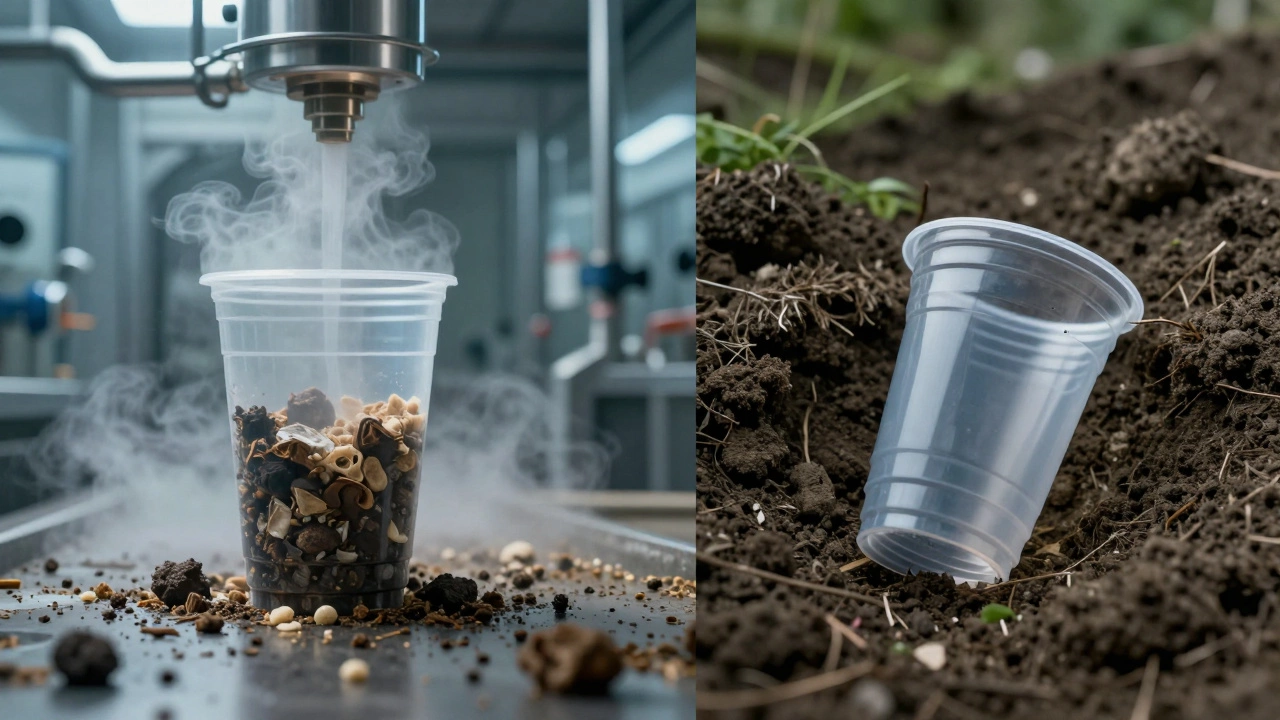
If you are considering switching to eco-friendly materials, you have likely heard of Polylactic Acid (PLA), a biodegradable thermoplastic derived from renewable biomass such as corn starch or sugarcane. PLA is marketed as a solution to the plastic crisis. But here is the catch: PLA does not biodegrade in nature.
PLA requires specific industrial composting conditions to break down. It needs temperatures above 55°C (131°F), high humidity, and specific microbial activity. If you toss a PLA cup into a backyard compost pile or a regular landfill, it will sit there for centuries, just like conventional plastic. Only in specialized industrial facilities does it decompose within 3 to 6 months.
For manufacturers, this distinction is crucial. Using PLA without ensuring proper end-of-life infrastructure for your customers can lead to greenwashing accusations. Always verify if your market has access to industrial composting before committing to bio-based polymers.
Impact on Manufacturing Business Strategy
As regulations tighten globally, the longevity of your products becomes a liability. Extended Producer Responsibility (EPR) laws are forcing manufacturers to take financial responsibility for the disposal of their packaging. Knowing that your product persists for 500 years means you are liable for that waste stream for generations.
This drives three strategic shifts in modern manufacturing:
- Design for Recyclability: Choosing mono-materials (like pure PE or PP) over multi-layer laminates ensures higher recycling rates. Recycled plastic doesn't need to disintegrate; it gets reborn.
- Material Substitution: Replacing rigid plastics with paper, glass, or aluminum where feasible. While aluminum takes 200 years to corrode, it is infinitely recyclable without losing quality, unlike plastic which degrades in quality after each recycle cycle.
- Chemical Recycling Adoption: Investing in technologies that break plastic back down into its monomer building blocks. This allows true circularity, turning old plastic into new virgin-quality resin.
Microplastics: The Hidden Cost of Fragmentation
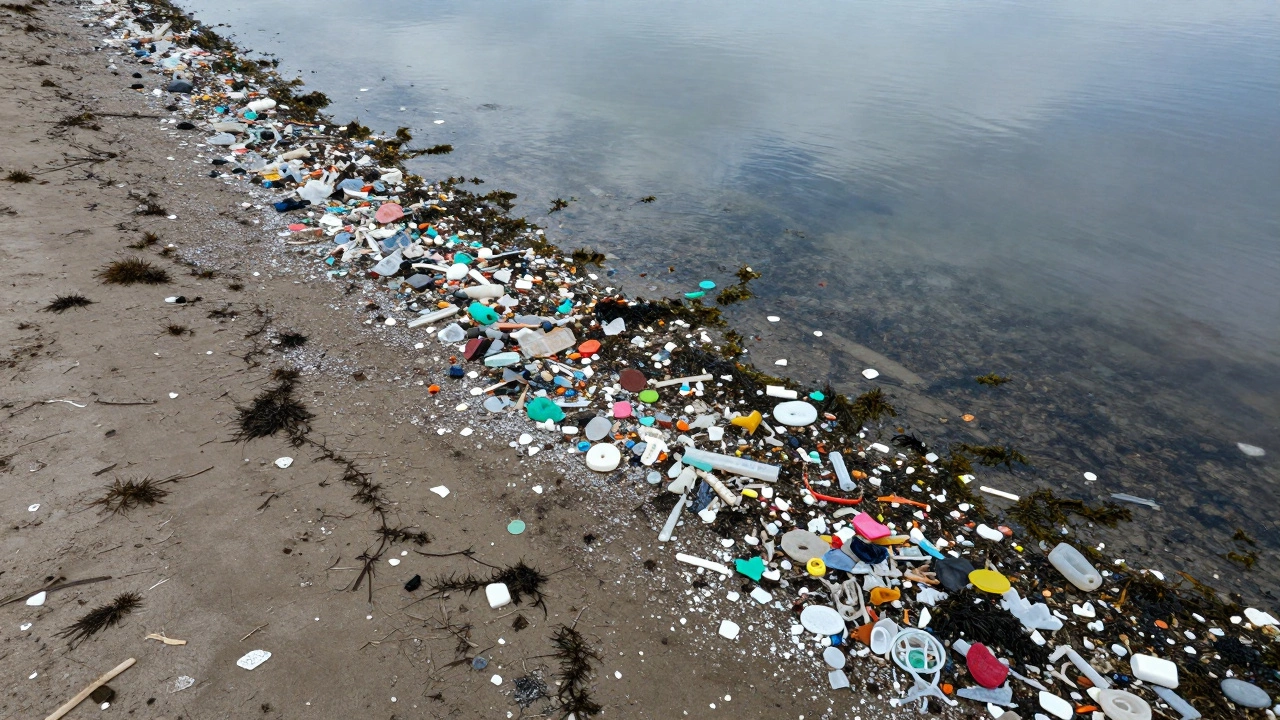
When plastic "disintegrates," it rarely disappears. It shatters. This process creates microplastics-particles smaller than 5 millimeters. These tiny fragments are now found in Arctic ice, deep-sea trenches, and human bloodstreams.
For manufacturers, this poses a reputational risk. Consumers are increasingly aware that "biodegradable" claims on conventional plastics are misleading. They see the fragmentation and associate it with pollution. Transparent communication about material lifecycles builds trust. Instead of promising false degradation, highlight durability, recyclability, or certified compostability.
What Can Manufacturers Do Today?
You don’t need to stop using plastic to make a difference. Plastic remains vital for hygiene, medical safety, and lightweight transportation. However, you can optimize your approach:
- Audit Your Materials: Identify which plastics in your product line have the longest persistence times. Prioritize replacing those with shorter-lived or more recyclable alternatives.
- Reduce Virgin Content: Incorporate post-consumer recycled (PCR) plastic. This reduces the demand for new fossil-fuel-based resins and keeps existing plastic in the loop.
- Educate Customers: Provide clear disposal instructions. If you use PLA, tell them it goes in industrial compost. If you use PET, tell them it goes in recycling bins. Confusion leads to contamination.
- Innovate with Additives: Explore oxo-biodegradable additives cautiously. Note that many regions ban these because they accelerate fragmentation into microplastics without true mineralization. Stick to certified standards like ASTM D6400 for compostables.
Conclusion: Rethinking Permanence
Plastic was designed to last. That was its greatest selling point and is now its biggest flaw. As a manufacturer, understanding that a simple bottle lasts 450 years changes how you view your inventory. It’s not just stock; it’s potential legacy waste.
The goal isn’t necessarily to eliminate plastic but to manage its lifecycle responsibly. By choosing materials that align with available recycling or composting infrastructure, you protect your brand and the planet. Remember, in the world of polymers, forever is a long time. Make sure your products earn that permanence.
Does plastic ever fully disappear?
Conventional plastics do not fully disappear in the traditional sense of biodegrading into organic matter. Instead, they undergo photodegradation, breaking down into smaller and smaller microplastic particles that can persist in the environment for hundreds or thousands of years. Only specific bioplastics under industrial conditions achieve full mineralization.
Which plastic takes the longest to degrade?
Polystyrene (PS), commonly known as Styrofoam, and Polyethylene Terephthalate (PET) are among the most persistent. Polystyrene can take over 500 years to fragment significantly, while PET bottles are estimated to last around 450 years. Both resist biological breakdown due to their complex carbon-carbon bonds.
Are biodegradable plastics actually biodegradable?
Only under specific conditions. Most "biodegradable" plastics like PLA require industrial composting facilities with high heat and humidity to break down. If thrown in a landfill or ocean, they behave similarly to conventional plastics and may not degrade for centuries. Look for certifications like ASTM D6400 to ensure true compostability.
How does sunlight affect plastic degradation?
Sunlight, specifically UV radiation, is the primary driver of plastic degradation in outdoor environments. It causes photodegradation, weakening the polymer chains and making the plastic brittle. This leads to cracking and fragmentation into microplastics. Without UV exposure, such as in landfills or oceans depths, plastic degrades much slower.
Can manufacturers speed up plastic decomposition?
Manufacturers can choose materials that are easier to recycle or compost, effectively bypassing the need for natural decomposition. Chemical recycling technologies also allow plastics to be broken down into monomers for reuse. However, adding oxo-degradability additives is controversial and banned in many places because it promotes microplastic creation rather than true disappearance.