Furniture Business Profitability Calculator (India)
Estimate your net profit based on sales volume and business model efficiency.
Profit Estimate
₹ - ₹
Note: These estimates assume stabilized operations. New businesses may see lower or negative margins in the first 12-18 months due to brand building and supply chain setup costs.
You see the sleek showrooms in Mumbai or Delhi, and you hear stories of designers making lakhs on a single sofa set. It sounds like an easy way to get rich. But if you are looking at the furniture business from a manufacturing or wholesale perspective, the reality is much grittier. The question isn't just whether it is profitable-it is where the money actually stays.
In 2026, the Indian furniture market is valued at approximately ₹1.8 lakh crore (around $21 billion). This number is growing at a compound annual growth rate (CAGR) of about 12-14%. That growth is driven by a booming real estate sector, rising disposable incomes, and a shift towards organized retail. However, high revenue does not automatically mean high profit. Many new entrants burn cash because they misunderstand the cost structure.
The Reality of Profit Margins in Furniture
Let’s cut through the noise. If you walk into a shop and buy a dining table for ₹15,000, what did it actually cost to make? For a manufacturer, the gross margin typically sits between 30% and 45%. But that is before you pay for rent, electricity, skilled labor, marketing, and logistics. Your net profit margin-the money that actually hits your bank account-usually lands between 8% and 15% for established players. New businesses often start with negative or zero net margins for the first 12 to 18 months while they build their brand and supply chain.
Why the gap? Because furniture is heavy, bulky, and fragile. Logistics alone can eat up 5% to 10% of your sales value if you are not careful. Damage rates during transport can add another 2% to 3% in hidden costs. You need to price these inefficiencies into every item you sell.
| Business Model | Gross Margin | Net Margin | Key Cost Driver |
|---|---|---|---|
| Small-Scale Manufacturing | 30% - 40% | 8% - 12% | Raw Material Volatility |
| B2B Wholesale | 15% - 25% | 5% - 8% | Volume Dependency |
| Direct-to-Consumer (D2C) | 50% - 60% | 10% - 15% | Customer Acquisition Cost |
| Custom/Designer | 60% - 70% | 15% - 20% | Skilled Labor Time |
Initial Investment: What You Actually Need to Start
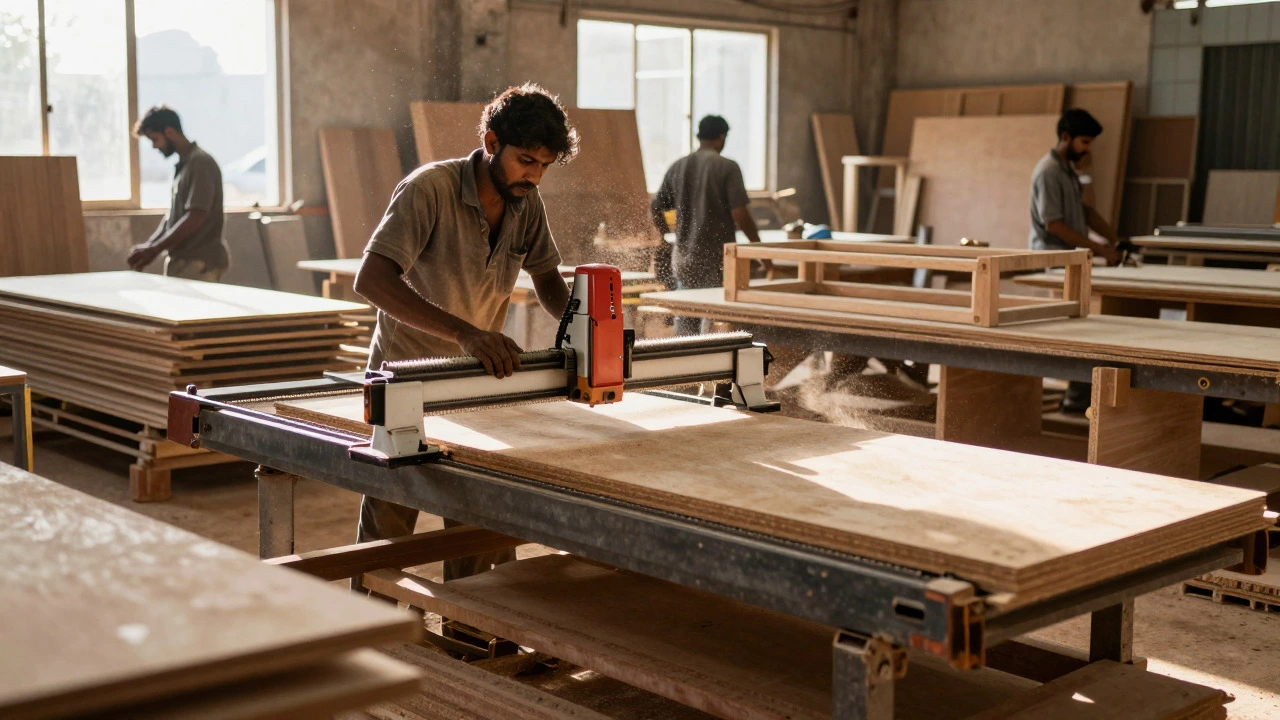
You don’t need a massive factory to start, but you do need capital. The barrier to entry has lowered due to better machinery availability, but the quality expectations have risen. Here is a realistic breakdown for setting up a small-scale manufacturing unit in a tier-2 city like Indore or Coimbatore in 2026.
- Machinery: A basic setup including a panel saw, edge banding machine, CNC router (optional but recommended for precision), and sanding equipment will cost between ₹8 lakh and ₹15 lakh. Used machines can cut this by half, but maintenance risks increase.
- Space: Rent for a 2,000 sq. ft. industrial shed varies wildly. In hubs like Moradabad or Jodhpur, it might be ₹15-20 per sq. ft. In metro outskirts, expect ₹40-60 per sq. ft. Budget ₹3-5 lakh for initial deposit and renovation.
- Raw Materials Inventory: Plywood, MDF, particle board, veneers, and hardware. You need enough stock to fulfill your first few orders without running out. Allocate ₹5-10 lakh here.
- Labor: You will need carpenters, finishers, and helpers. Salaries in India vary, but a skilled carpenter might earn ₹15,000-₹25,000 per month. Factor in PF and ESI contributions.
- Marketing & Branding: Even if you are B2B, you need a website, samples, and perhaps a small showroom or booth at trade fairs. Set aside ₹2-3 lakh for the first year.
Total estimated startup capital ranges from ₹20 lakh to ₹35 lakh for a lean operation. If you aim for premium automated production, double that figure.
Raw Material Costs and Supply Chain Risks
Your biggest variable cost is raw material. Wood prices fluctuate based on monsoon patterns, government export bans, and global timber shortages. In recent years, we’ve seen spikes in plywood prices due to restrictions on teak and sal wood exports. To protect your margins, you cannot rely on a single supplier.
Diversify your sources. Use engineered wood (MDF and Particle Board) for flat-pack items as they offer consistent pricing and fewer defects than solid wood. Solid wood commands higher prices but comes with warping and cracking risks. Always negotiate long-term contracts with suppliers when possible, or hedge your inventory by buying bulk during off-seasons when demand drops.
Don’t ignore hardware. Hinges, drawer slides, and handles seem minor, but cheap hardware fails quickly, leading to returns and damaged reputation. Investing in branded hardware like Hettich or Hafele adds to your cost but significantly boosts perceived value and durability.
Market Trends Driving Profitability in 2026
The Indian consumer is changing. They no longer want just a chair; they want a space-saving solution that fits their apartment. This shift creates specific opportunities for manufacturers who adapt.
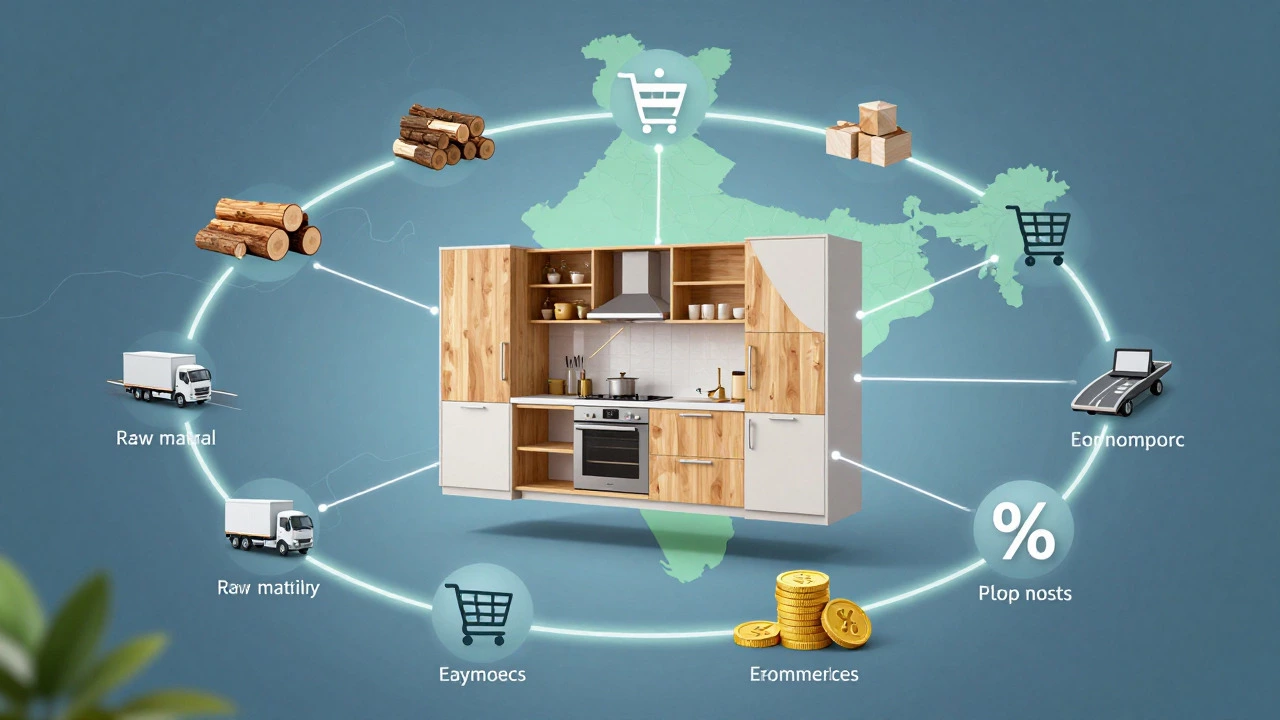
- Modular Furniture: This is the fastest-growing segment. Modular kitchens, wardrobes, and living room units allow customers to customize layouts. Manufacturers who master modular design can charge premium prices because the perceived value is higher.
- E-commerce Integration: Selling online is no longer optional. Platforms like Amazon India, Flipkart, and specialized sites like Pepperfry and Urban Ladder are key channels. However, the commission fees (15-25%) and return rates (up to 10% for furniture) squeeze margins. You must optimize packaging to reduce damage-related returns.
- Sustainability: Consumers are increasingly asking about wood certification. FSC-certified wood or reclaimed wood products can command a 10-15% price premium. Marketing your eco-friendly practices is a tangible way to differentiate from competitors.
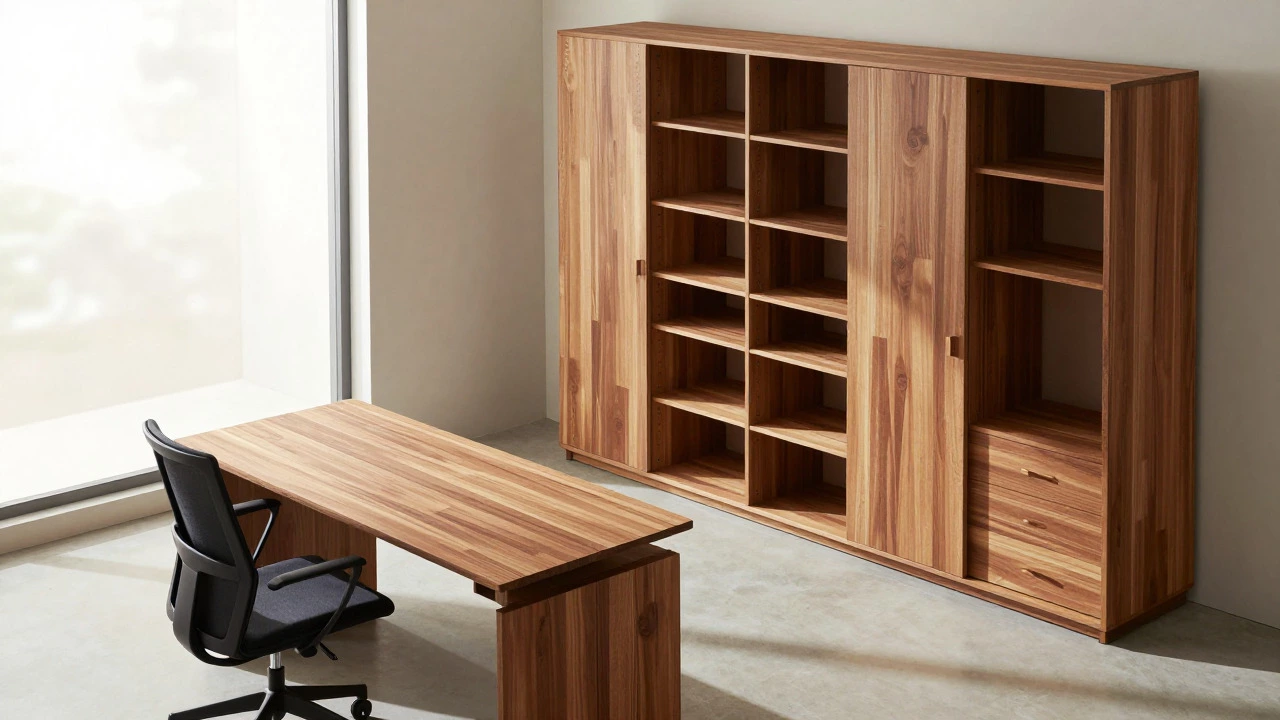
- Home Office Setup: Post-pandemic, the demand for ergonomic home office furniture remains strong. Desks, chairs, and storage solutions for remote workers are a steady revenue stream.
Challenges That Kill Margins
Even with great products, many businesses fail due to operational leaks. Watch out for these silent profit killers:
- High Return Rates: Furniture is expensive to ship back. If a customer returns a sofa because it looked different in person, you lose the shipping cost both ways plus the product value. Mitigate this with accurate photos, detailed dimensions, and video walkthroughs.
- Inventory Deadweight: Holding too much finished goods inventory ties up cash. Adopt a Just-in-Time (JIT) approach where possible, especially for custom orders. Only keep standard SKUs in stock.
- Unskilled Labor Turnover: Finding good carpenters is hard. Training them takes time. High turnover leads to inconsistent quality. Offer performance bonuses and create a positive work environment to retain talent.
- Pricing Errors: Many beginners underprice their work. They calculate material + labor but forget overheads like electricity, rent, and admin salaries. Use activity-based costing to ensure every hour spent and every screw used is accounted for in your price.
Government Schemes and Financial Support
If you are starting in India, leverage available support. The Micro, Small and Medium Enterprises (MSME) registration provides access to collateral-free loans under the Credit Guarantee Fund Trust for Micro and Small Enterprises (CGTMSE). Interest subvention schemes can lower your loan interest rates by 2-3%.
Additionally, states like Maharashtra, Tamil Nadu, and Gujarat offer subsidies for machinery purchase and power consumption for new manufacturing units. Check with your local Industrial Development Board for specific incentives. These grants can reduce your initial capital requirement by 10-20%.
Strategic Advice for Long-Term Success
To maximize profitability, focus on niche specialization rather than trying to be everything to everyone. Become known for one thing-perhaps ergonomic office chairs, or rustic wooden beds, or modular kitchen cabinets. Specialization allows you to streamline production, reduce waste, and build a loyal customer base willing to pay a premium.
Build strong relationships with interior designers and architects. They specify furniture for projects and can bring in large B2B orders. Offering them a commission or exclusive designs can secure recurring revenue.
Finally, invest in technology. Enterprise Resource Planning (ERP) software tailored for manufacturing helps track inventory, manage orders, and monitor costs in real-time. What gets measured gets managed. Knowing exactly how much each piece costs to produce is the difference between guessing and strategizing.
How much profit can I make from a small furniture business in India?
A small-scale furniture manufacturing business in India can expect a net profit margin of 8% to 15% after stabilizing operations. For example, if your monthly sales are ₹10 lakh, your net profit would range from ₹80,000 to ₹1.5 lakh. This depends heavily on controlling raw material costs and minimizing wastage.
What is the best type of furniture to manufacture for high profits?
Modular furniture, such as kitchens and wardrobes, offers higher profit margins due to customization premiums. Ergonomic office furniture is also highly profitable due to sustained demand from remote workers. Avoid low-cost, high-volume items like plastic chairs unless you have massive scale advantages.
Do I need a large factory to start a furniture business?
No. You can start with a small workshop of 1,000-2,000 sq. ft. Focus on niche products that require less space and specialized machinery. As demand grows, you can expand or outsource certain processes like finishing or assembly.
How does e-commerce affect furniture profitability?
E-commerce expands your reach but increases costs through platform commissions (15-25%), advertising spend, and higher return rates. To remain profitable, you must optimize packaging to reduce damage and maintain high customer satisfaction scores to minimize returns.
What are the biggest risks in the Indian furniture industry?
The main risks include volatility in raw material prices (especially wood), high logistics costs due to bulky products, and intense competition from unorganized local workshops. Mitigate these by diversifying suppliers, optimizing supply chains, and focusing on branded, quality-assured products.