Small-Scale Manufacturing Profitability Estimator
Profit Analysis
Visual Gross Margin Indicator
You’ve got the space, maybe some capital, and a burning desire to stop trading time for money. But here’s the trap most new manufacturers fall into: they pick what they like, not what sells. I’ve seen too many friends burn through savings making artisanal soap that sits on shelves because everyone else is doing it. The real question isn’t just "what can I make?" but "what will people pay a premium for right now?"
In 2026, the sweet spot for small scale manufacturing isn't about volume; it's about value density. You want products where the raw material cost is low, but the perceived value is sky-high. Think lightweight items that ship cheaply, solve specific pain points, and have recurring demand. If you’re starting from your garage or a small warehouse in Brisbane, you need margins thick enough to survive supply chain hiccups and marketing costs.
The High-Margin Niche Formula
Before we list specific items, let’s talk math. A product is only profitable if the gap between your Cost of Goods Sold (COGS) and the retail price is wide enough. For small manufacturers, aiming for a gross margin of at least 50-60% is non-negotiable. Why? Because once you factor in labor, electricity, packaging, and shipping, that 50% shrinks fast.
Look for these three traits:
- Lightweight & Compact: Shipping kills small businesses. A heavy ceramic vase might sell well, but freight costs eat your lunch. A leather wallet weighs ounces.
- Customizable: Personalization allows you to charge more without adding significant production time. Laser engraving or monogramming adds pennies in cost but dollars in price.
- Consumable or Collectible: Either people buy it again every month (consumables) or they feel compelled to complete a set (collectibles).
Cosmetics and Skincare: The King of Margins
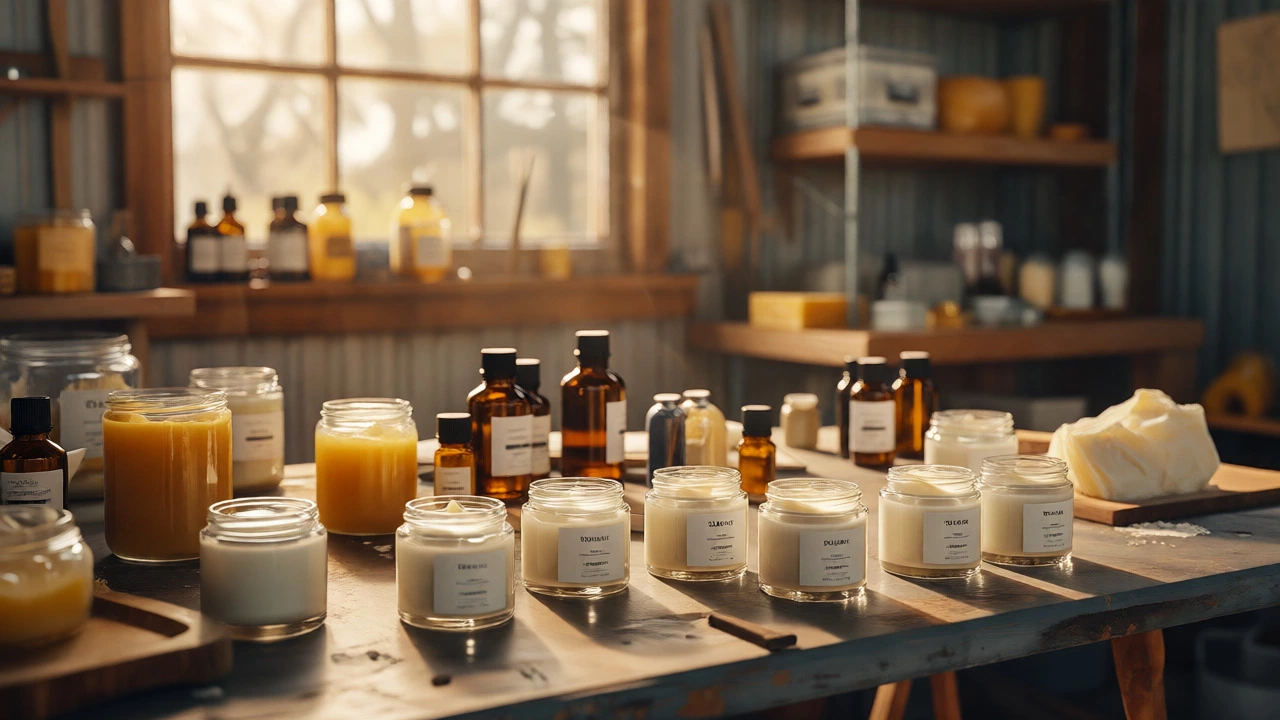
If you ask any seasoned manufacturer, cosmetics often top the list for profit per unit. The raw materials-beeswax, shea butter, essential oils-are relatively inexpensive when bought in bulk. Yet, a jar of organic face cream can retail for $40-$80. The markup is insane because consumers are buying trust, branding, and results, not just ingredients.
However, don’t underestimate the regulatory hurdle. In Australia, you must comply with NICNAS (now AICIS) regulations. It’s paperwork, yes, but it also creates a barrier to entry that protects your margins from hobbyists who skip compliance.
Specialty Food and Beverage Items
People always need to eat, but they don’t always need another bag of generic chips. They do, however, crave unique flavors and health-conscious options. Specialty foods offer high repeat purchase rates, which stabilizes your cash flow.
Consider these sub-niches:
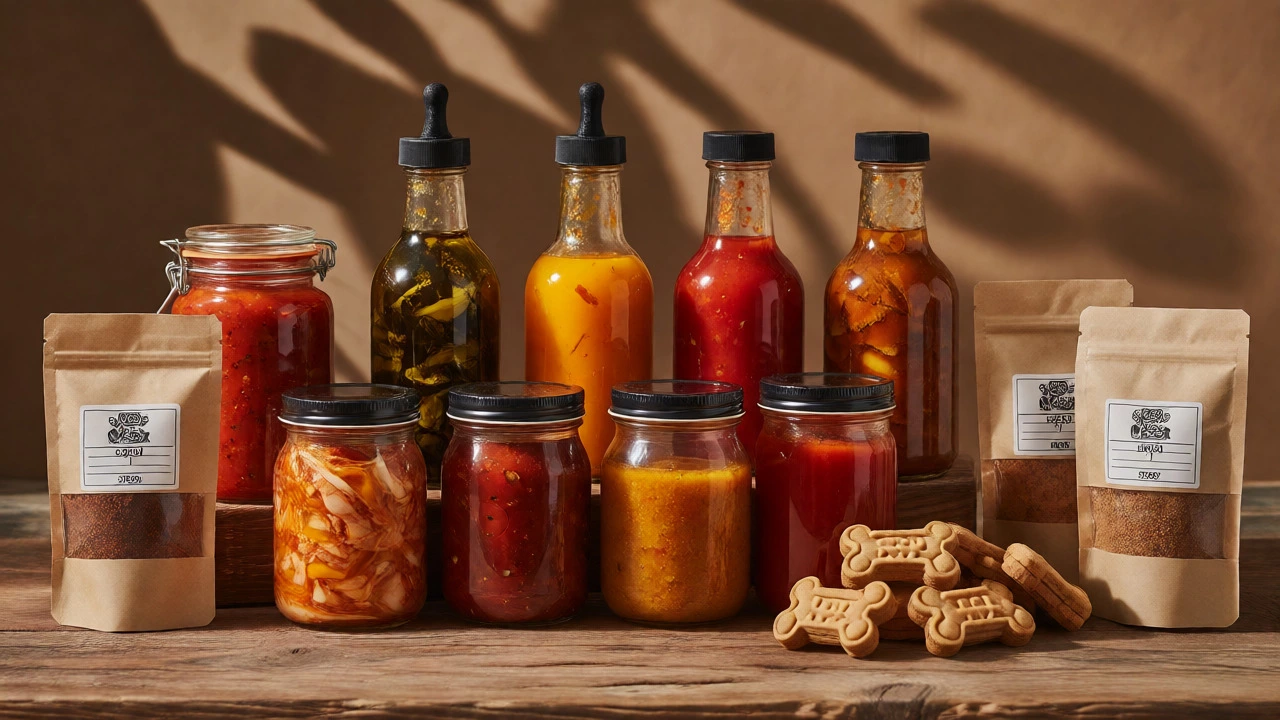
- Gourmet Sauces and Condiments: Hot sauces, truffle oil infusions, or fermented kimchi. Glass jars are heavy, so local delivery or subscription models work best here.
- Dry Mixes and Spice Blends: Lightweight, long shelf-life, and easy to package. A custom BBQ rub costs cents to make but sells for $10+.
- Artisanal Pet Treats: Yes, pet owners spend lavishly. Organic, grain-free dog biscuits made with locally sourced meat have massive appeal.
The key here is branding. A plain jar of jam looks like a commodity. A jar of "Brisbane Fig & Balsamic Reduction" looks like a gift. Packaging is your silent salesperson.
Home Decor and Functional Furniture
With remote work still prevalent in 2026, people invest heavily in their living spaces. But big furniture is hard to manufacture at scale. Instead, focus on functional decor-items that serve a purpose but look beautiful.
Woodworking is particularly lucrative if you have the skills. A hand-finished walnut laptop stand can cost $15 in lumber and finish but sell for $120 online. The labor is the main input, but if you batch-produce efficiently, the hourly return is excellent.
Tech Accessories and Wearables
Electronics manufacturing usually requires massive scale, but accessories are different. Phone cases, watch bands, and laptop sleeves are manufactured using injection molding or simple sewing techniques. The design changes frequently, allowing for rapid iteration.
Why is this profitable? Because tech users upgrade devices regularly. Every new iPhone release creates a wave of demand for new cases. If you can produce durable, stylish cases using recycled TPU (thermoplastic polyurethane), you tap into both the eco-conscious market and the tech enthusiast market.
| Product Category | Avg. Gross Margin | Startup Cost | Shipment Difficulty | Repeat Purchase Rate |
|---|---|---|---|---|
| Natural Cosmetics | 60-70% | Medium ($5k-$15k) | Low (Small/Light) | High (Monthly) |
| Specialty Foods | 40-50% | Low-Medium ($3k-$10k) | Medium (Heavy/Fragile) | Very High (Weekly/Monthly) |
| Leather Goods | 50-65% | Medium ($8k-$20k) | Low (Compact) | Low (Years) |
| Home Decor/Wood | 50-60% | High ($15k+ for tools) | High (Bulky) | Medium (Occasional) |
| Tech Accessories | 55-75% | High (Molds/CNC) | Low (Tiny) | Medium (Upgrade cycles) |
Sustainable and Eco-Friendly Alternatives
By 2026, "eco-friendly" isn't a niche; it's an expectation. Products that replace single-use plastics are booming. Bamboo toothbrushes, beeswax food wraps, and reusable silicone bags are classic examples, but the market is saturated. To win, you need innovation.
Think about compostable phone cases or biodegradable cleaning tablets. The manufacturing process for these often involves compression molding or simple assembly, keeping overhead low. The marketing angle writes itself: "Save the planet while saving space."

How to Validate Your Idea Before Spending Money
Don’t buy a $20,000 machine until you’ve sold ten units. Here’s a quick validation framework:
- The Pre-Order Test: Set up a landing page with a prototype photo. Run $100 in ads. If people click "Buy Now," capture their email even if the button says "Notify Me." High interest = green light.
- The Farmer’s Market Check: Make a small batch. Take it to a local market. Watch people’s faces. Do they pick it up? Do they smell it? Do they ask questions? Real-world feedback beats online surveys.
- The Competitor Gap Analysis: Read negative reviews of similar products on Amazon. What do people hate? Is it the size? The smell? The durability? Fix that one thing, and you have a USP (Unique Selling Proposition).
Common Pitfalls That Kill Profitability
Even with a great product, small manufacturers fail due to operational errors. Avoid these traps:
- Underpricing: New entrepreneurs often calculate COGS but forget to pay themselves. Add a labor cost line item, even if you’re the worker.
- Overstocking Raw Materials: Cash tied up in inventory is dead cash. Buy just enough for two weeks of production until you have steady sales data.
- Ignoring Shipping Costs: Always use dimensional weight calculators. Sometimes a slightly larger box reduces packing time but increases shipping cost by $5. Calculate the net effect.
Final Thoughts on Choosing Your Path
The "most profitable" product depends entirely on your skills and resources. If you’re handy with tools, woodworking offers incredible margins. If you have a knack for chemistry and branding, cosmetics win. If you love cooking, specialty foods provide steady income.
Start small. Validate quickly. Focus on high-margin, low-weight items. And remember, in small-scale manufacturing, agility is your superpower. Big factories can’t pivot as fast as you can. Use that to your advantage.
What is the cheapest way to start manufacturing?
The cheapest method is typically hand-assembly or small-batch crafting using existing tools. For example, assembling jewelry, packaging dry goods, or sewing simple textiles requires minimal machinery investment. Start with manual processes and automate only when volume demands it.
Do I need special licenses to manufacture food?
Yes, in Australia, you generally need a food safety supervisor certificate and may need to register your premises with your local council. Requirements vary by state and whether you're selling directly or wholesale. Always check with your local health department before starting.
How much does it cost to make a custom mold for plastic parts?
Custom steel molds for injection molding can range from $2,000 to $10,000+. However, aluminum molds or 3D-printed tooling for low-volume runs can cost under $500. For startups, consider silicone casting or vacuum forming to avoid high upfront mold costs.
Is dropshipping better than manufacturing?
Dropshipping has lower startup costs but significantly lower margins and less control over quality. Manufacturing offers higher profit potential and brand loyalty but requires more capital and operational effort. Choose dropshipping for testing markets, manufacturing for building a lasting brand.
What are the best platforms to sell handmade manufactured goods?
Etsy remains strong for handmade and vintage items. Shopify is ideal for building your own branded store. Amazon Handmade provides access to a massive audience but charges higher fees. Local markets and Instagram shops are also effective for community-focused products.