Engineering Plastics: What They Are, Where They’re Used, and Why They Matter
When you think of plastic, you might picture water bottles or grocery bags. But engineering plastics, a class of high-performance polymers designed to withstand heat, stress, and chemical exposure. Also known as technical plastics, they’re the hidden backbone of everything from smartphone casings to car engine parts. Unlike regular plastic, which bends or melts under pressure, engineering plastics hold their shape—even in extreme conditions. They’re not flashy, but without them, modern manufacturing would grind to a halt.
These materials fall into two main types: thermoplastics, plastics that can be melted and reshaped repeatedly, like nylon and polycarbonate, and thermosets, plastics that harden permanently once cured, like epoxy and phenolic resins. Thermoplastics are common in mass production because they’re recyclable and easy to mold. Thermosets? They’re the tough guys used in circuit boards and brake parts where nothing else can survive. Both are critical in industries that demand precision—medical devices, aerospace, electronics, and automotive parts. In fact, nearly every car on the road today uses engineering plastics in its dashboard, wiring harnesses, or under-the-hood components. They’re lighter than metal, cheaper to produce at scale, and resist corrosion better than most metals.
What’s interesting is how these materials connect to real-world manufacturing trends. India’s growing electronics and auto sectors rely heavily on local suppliers of these polymers. Companies like Urban Polymers India don’t just make plastic—they solve problems. A manufacturer might need a part that won’t warp at 150°C. Or a housing that resists UV damage in outdoor equipment. That’s where engineering plastics come in. They’re not just materials; they’re engineered answers to real design challenges. And as sustainability becomes a priority, new grades are being developed to reduce waste and improve recyclability without losing strength.
You’ll find posts here that dig into how these materials are made, which industries depend on them most, and why some manufacturers are switching from metal to high-grade polymers to cut costs and weight. There’s no fluff—just real examples of what’s being built, who’s making it, and how it all ties back to the plastic you never notice until it fails.
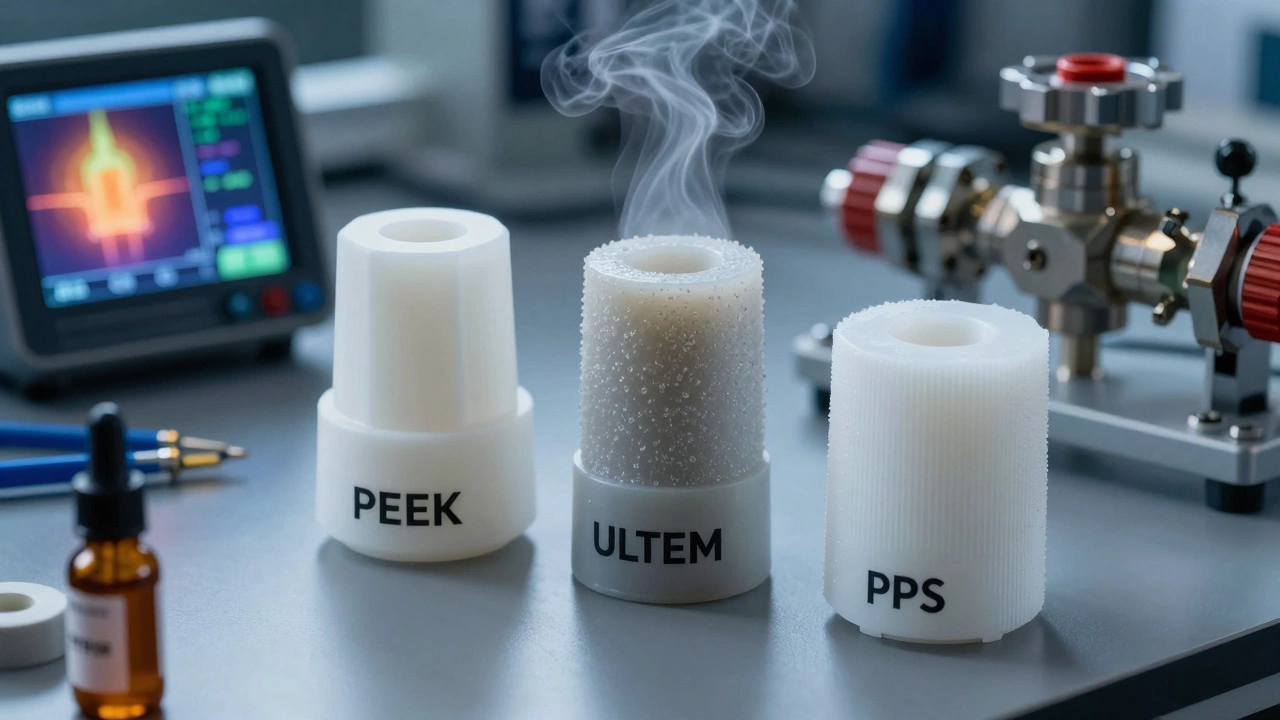
What Is the Highest Quality Plastic? A Practical Guide for Manufacturers
The highest quality plastics like PEEK, ULTEM, and PPS offer unmatched heat, chemical, and mechanical resistance for industrial and medical applications. Learn which one fits your needs and why cheaper options often cost more in the long run.