Government Manufacturing Schemes in India: How Startups and Small Factories Benefit
When you hear government manufacturing schemes, state-backed programs designed to boost local production, reduce costs, and create jobs in India. Also known as industrial incentives, these programs are not just paperwork—they’re lifelines for small factories, home-based makers, and first-time entrepreneurs trying to build something real without a bank loan. India doesn’t just want you to make things—it wants you to make them here, with local materials, local labor, and local profit.
These schemes aren’t one-size-fits-all. If you’re running a small plastic molding unit in Gujarat, you might qualify for MSME schemes, government support specifically for micro, small, and medium enterprises, including subsidies on machinery and tax breaks. If you’re building electronics in Bengaluru, Make in India, a national initiative to turn India into a global manufacturing hub by offering financial incentives, faster approvals, and export benefits could cut your setup costs by 30% or more. Even if you’re making furniture in Uttar Pradesh or packaging goods in Tamil Nadu, there’s a scheme waiting for you—often buried in state-level portals, not the homepage of a ministry website.
What do these schemes actually give you? Cash grants to buy machines. Lower interest loans through SIDBI. Waivers on electricity and stamp duty. Free training on quality control and export compliance. Some even pay you to hire local workers. The real trick? Most people don’t know they qualify. You don’t need a degree, a fancy office, or 100 employees. If you’re turning raw plastic into bottles, or metal into brackets, or fabric into bags—you’re a manufacturer. And that means you’re eligible.
The posts below show exactly how this works in practice. You’ll see how a startup in Rajasthan funded its first plastic extruder with zero money, just by tapping into a state subsidy. You’ll learn which Indian chemical companies got grants to scale up production. You’ll find out how furniture makers in Punjab used government schemes to double their exports. And you’ll see why some small manufacturers are now competing with big brands—not because they’re bigger, but because they knew where to look for help.
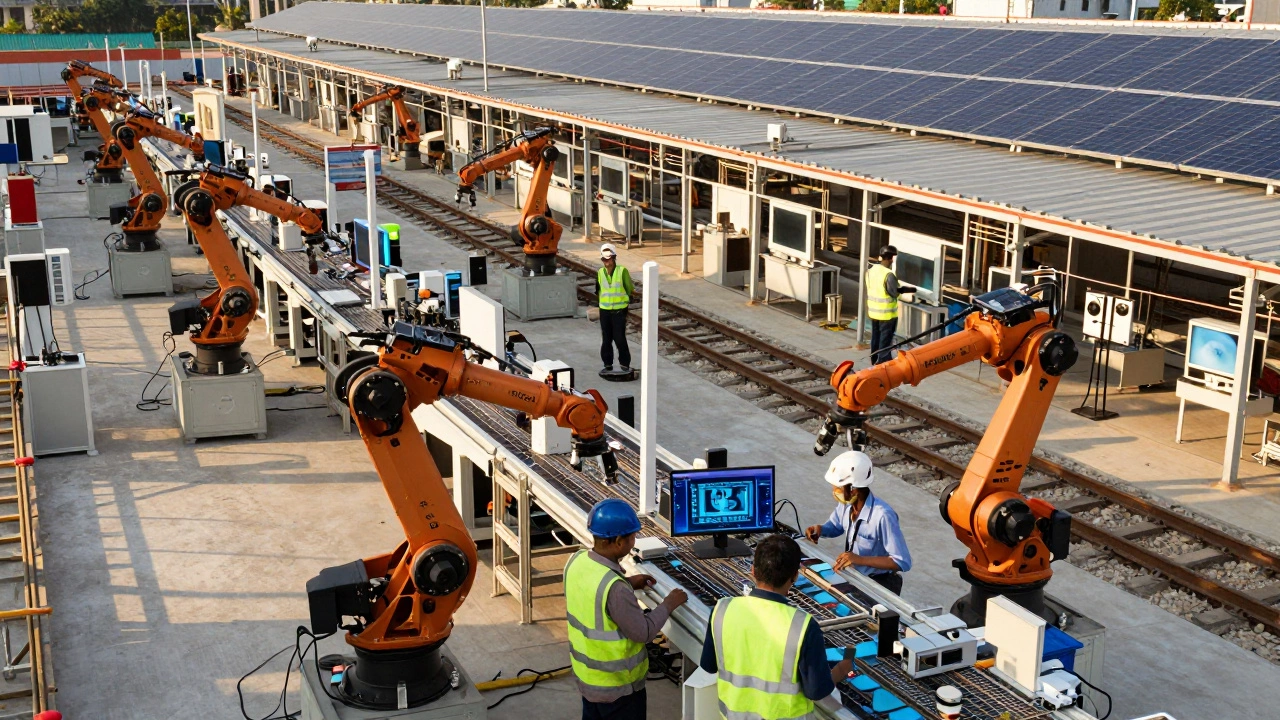
Are more factories being built? Here's what's really happening with government manufacturing schemes
Are more factories being built? Yes-but only in certain sectors thanks to government schemes like PLI. Electronics, pharma, and textiles are seeing major expansion, while others lag. Automation is changing job demand, and exports are driving the real growth.
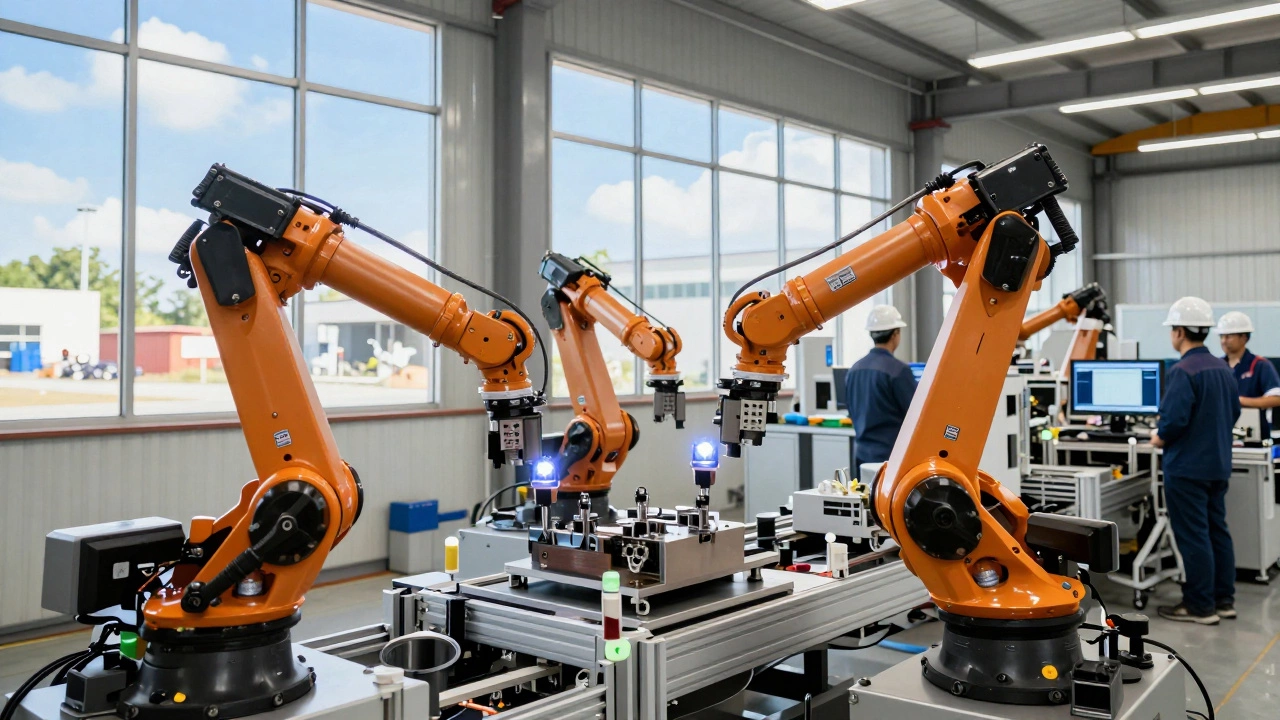
Is Manufacturing Dying in the US? The Real Story Behind the Numbers
Despite claims that US manufacturing is dying, output is at record highs thanks to automation, government investment, and skilled workforce development. Factories aren't disappearing - they're evolving.
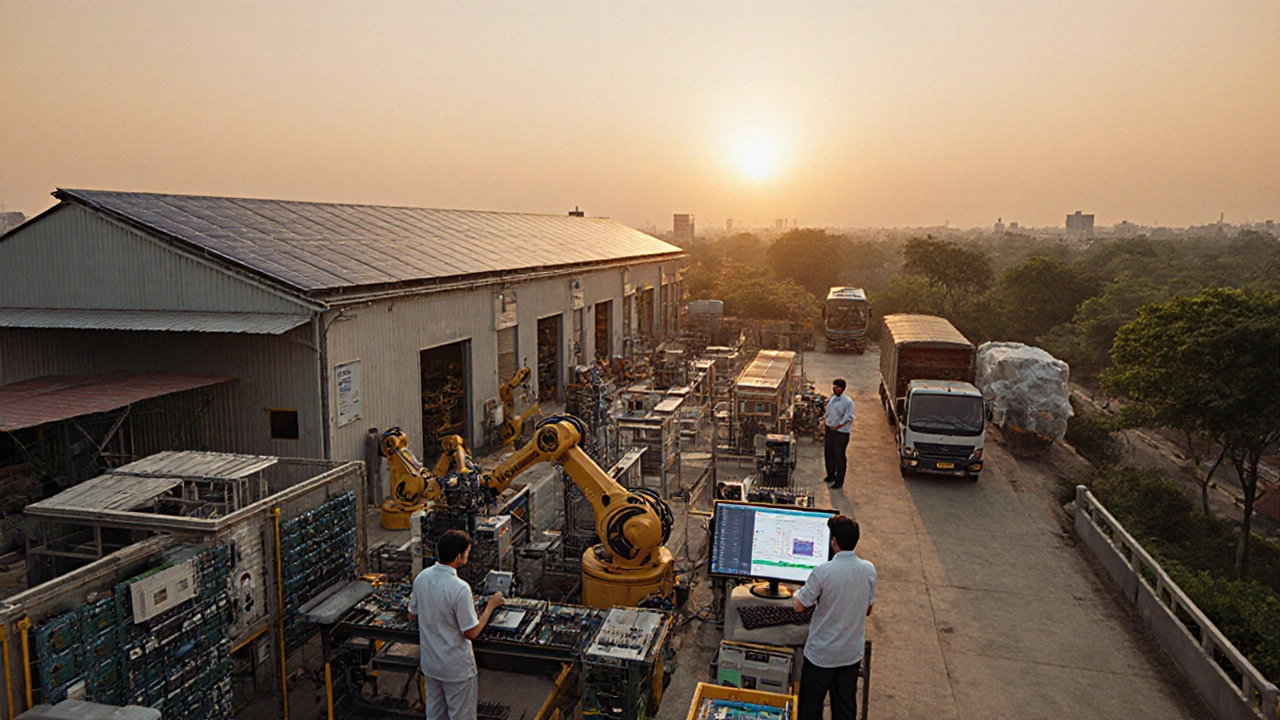
Is Manufacturing Good for the Economy? Here's What Actually Happens
Manufacturing drives economic growth through high-paying jobs, supply chain multiplier effects, and resilience during crises. Government schemes don't just subsidize factories - they build competitive, clean, and skilled industries that last.