Microplastics: What They Are and Why They Matter
When talking about Microplastics, tiny plastic fragments less than 5 mm that result from the breakdown of larger items or are manufactured at that size. Also known as tiny plastic particles, they slip into waterways, soils, and even the air we breathe, posing challenges for health and ecosystems. Microplastics have become a hot topic because they link everyday consumer goods to global pollution.
How Manufacturing Turns Big Plastics into Microplastics
In modern factories, especially those dealing with plastic waste, by‑products like shavings, pellets, and dust generated during molding or extrusion can escape into the environment if not captured. This waste often becomes the source of microplastic particles that travel down the supply chain. Companies that adopt tighter controls on manufacturing waste reduce the amount of micro‑sized debris released, directly lowering contamination levels in nearby rivers and soils.
Another key player is sustainability, the practice of designing products and processes that minimize environmental impact while maintaining economic viability. Sustainable manufacturing isn’t just about recycling; it involves selecting polymers that break down less aggressively, using closed‑loop systems, and investing in filtration technologies that trap microscopic particles before they leave the plant.
Urban Polymers India, for example, focuses on high‑quality polymer blends that resist fragmentation, pairing them with advanced filtration units. By doing so, the firm tackles both the source of microplastics and the downstream waste stream, showing how industry leaders can turn a problem into an opportunity for greener production.
Understanding the journey of microplastics also means looking at the life cycle of everyday items. From single‑use packaging to textile fibers released during washing, each stage offers a chance to intervene. When a plastic bottle is crushed for recycling, the process can generate fine particles if the equipment lacks proper dust extraction. Similarly, synthetic clothing sheds micro‑fibers that end up in wastewater, a hidden contributor to marine microplastic loads.
Regulatory frameworks are stepping up, too. Recent policies in India mandate stricter reporting of plastic waste outputs and encourage the adoption of best‑practice standards for microplastic monitoring. Companies that stay ahead of these rules not only avoid penalties but also gain a competitive edge by marketing their products as low‑microplastic alternatives.
From a consumer perspective, choosing products made from biopolymers or those labeled as “microplastic‑free” can drive market demand toward cleaner solutions. Even simple actions like using a microfiber-catching laundry bag can cut down the amount of synthetic fibers entering waterways.
Research shows that microplastic ingestion can affect marine life health and potentially enter the human food chain via seafood. While long‑term health impacts are still being studied, the precautionary principle advises reducing exposure wherever possible. This is where collaboration between manufacturers, policymakers, and consumers becomes crucial.
All these threads—manufacturing waste control, sustainable polymer design, regulatory pressure, and consumer choices—intertwine to form a comprehensive strategy against microplastics. In the collection below you’ll find articles that dive deeper into industry trends, policy shifts, and practical tips for businesses and individuals alike. Explore how the chemical sector is adapting, what cities like Bengaluru are doing in tech‑driven manufacturing, and how waste reduction principles can be applied to cut down microplastic release. Let’s see how each piece fits into the bigger picture of a cleaner, more responsible plastic economy.
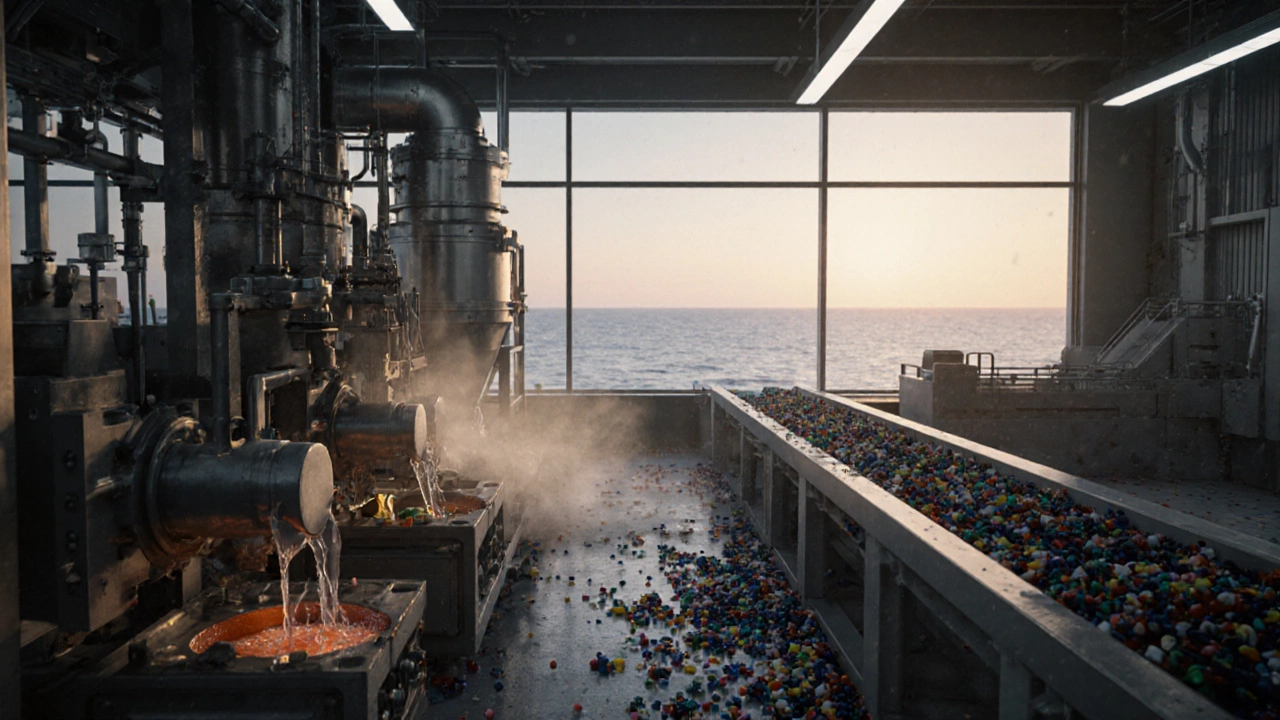
Who Dumps Plastic in the Ocean? Uncovering the Role of Plastic Manufacturing Companies
Explore how plastic manufacturing companies contribute to ocean waste, the leak points in production, regulations, and actionable steps for both firms and consumers to reduce marine plastic pollution.