Ocean Plastic Pollution
Ocean Plastic Pollution, the buildup of plastic debris in marine environments that harms wildlife and ecosystems. Also known as marine plastic litter, it originates from many sources, especially everyday plastic that ends up in rivers and seas. Plastic Waste, discarded items such as bottles, bags, and packaging that are not properly managed, also called plastic litter. Manufacturing Waste, scrap and off‑cuts generated during industrial production, often containing polymer residues, sometimes referred to as industrial plastic waste. Sustainability, practices aimed at reducing environmental impact and preserving resources for future generations. Recycling, the process of collecting, sorting, and reprocessing materials to create new products. Together these concepts form a web of cause and effect: ocean plastic pollution encompasses plastic waste that escapes waste streams, and manufacturing waste adds a steady supply of polymer fragments. Reducing manufacturing waste mitigates ocean plastic pollution, while sustainability initiatives influence how much plastic reaches the sea. Recycling programs curb ocean plastic pollution by diverting waste back into the economy. In short, the health of our oceans is tightly linked to how we manage plastic at every stage.
The impact of ocean plastic pollution is stark. Studies show that over 8 million metric tons of plastic enter the oceans each year, a figure that mirrors the weight of a large cargo ship. Marine animals ingest or become entangled in debris, leading to injuries or death, and micro‑plastics seep into the food chain, eventually reaching humans. When manufacturing waste is not captured at the source, tiny polymer particles travel downstream, join river systems, and become part of the ocean’s floating trash islands. This chain reaction demonstrates a clear semantic triple: "Manufacturing waste feeds plastic waste, which fuels ocean plastic pollution." Moreover, the economic cost of cleanup and lost tourism can run into billions annually, highlighting why sustainability matters for both the planet and the pocket. Communities near ports often see a rise in litter, showing how local practices feed a global problem.
Tackling ocean plastic pollution requires coordinated actions. Companies can adopt closed‑loop production, turning scrap into new products rather than discarding it. Governments enforce stricter standards for waste handling, and they fund recycling infrastructure that turns plastic waste into raw material for new items. Consumers play a role, too, by choosing reusable alternatives and supporting brands with transparent sustainability reports. Innovation is also on the rise: biodegradable polymers, ocean‑cleaning drones, and AI‑driven sorting systems are reshaping the fight. All these efforts illustrate the triple "Sustainability drives recycling, which reduces plastic waste, thereby easing ocean plastic pollution." Below you’ll find a curated set of articles that dig deeper into trends, policies, and practical steps related to plastic waste, manufacturing practices, and sustainable solutions. Explore the collection to see how each piece fits into the bigger picture and discover actionable insights you can apply today.
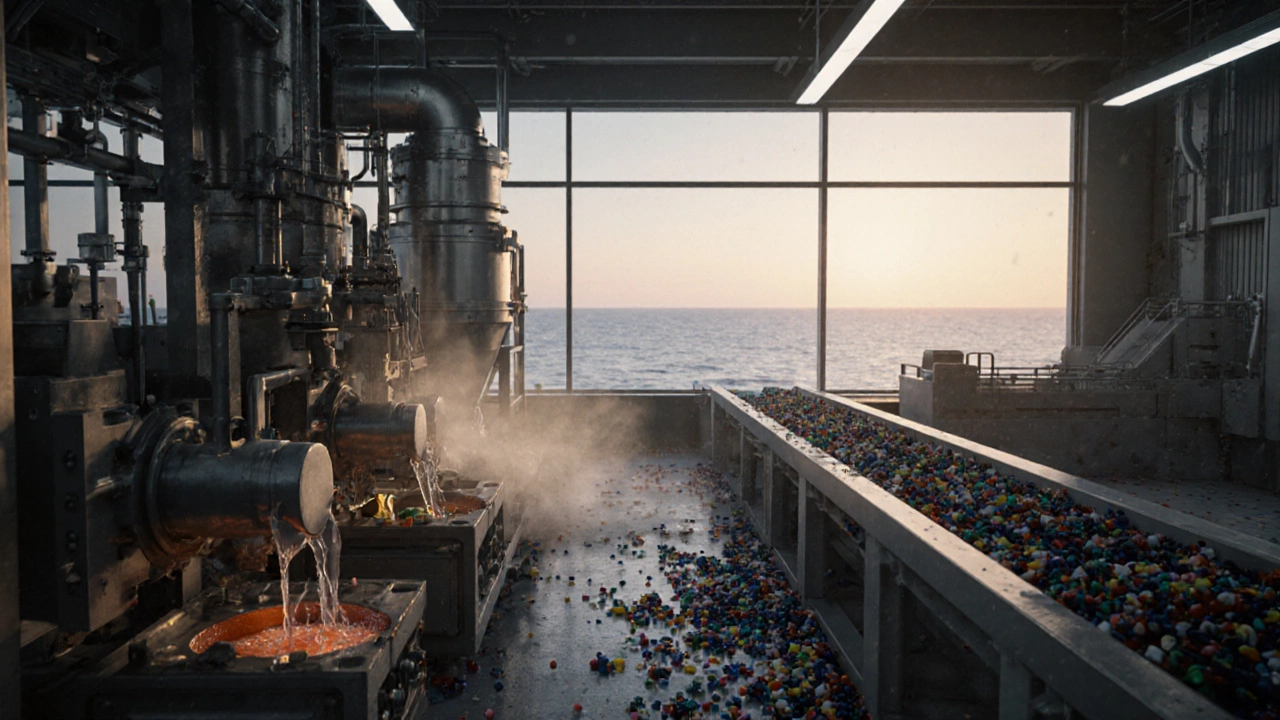
Who Dumps Plastic in the Ocean? Uncovering the Role of Plastic Manufacturing Companies
Explore how plastic manufacturing companies contribute to ocean waste, the leak points in production, regulations, and actionable steps for both firms and consumers to reduce marine plastic pollution.