NOVA Food Processing Classifier
Select a Food Item
Click on an item to see its classification.
Select a food from the list to analyze its processing level.
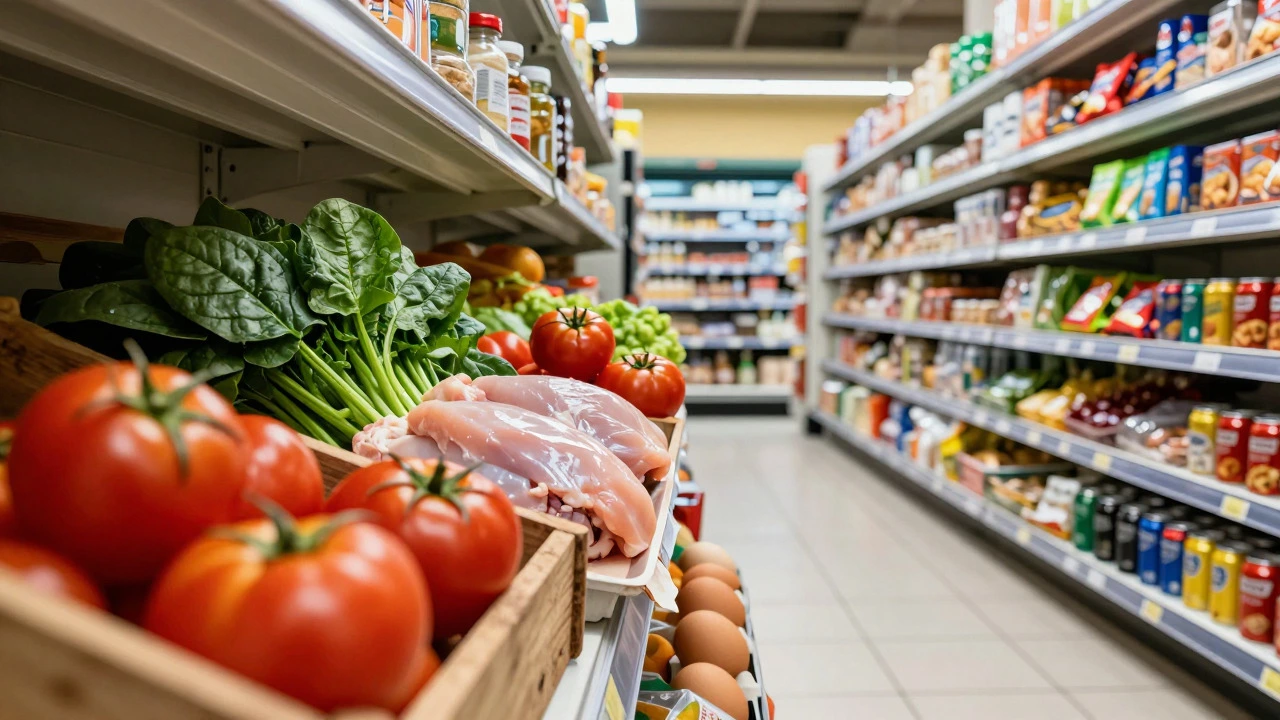
Walk down the aisle of any modern supermarket, and you are staring at a spectrum. On one end sits an apple, rough-skinned and imperfect. On the other sits a neon-colored candy bar wrapped in plastic, promising energy and flavor in a bite-sized cube. Both are food. Both provide calories. But they are worlds apart in how they were made, what they contain, and how your body handles them.
The confusion around what constitutes "healthy" versus "unhealthy" eating often stems from a lack of clarity about how these foods are created. We tend to group all packaged goods together, but that is a mistake. To understand what we are actually putting into our bodies, we need to look at the NOVA classification system, which categorizes foods based on the extent and purpose of industrial processing rather than just nutrient content.
This framework divides all foods into four distinct groups. Understanding these four levels is not just academic; it is a practical tool for making better dietary choices without needing to be a nutritionist. Let’s break down each level, see where common foods fit, and understand why the shift toward higher processing levels matters for your health.
Level 1: Unprocessed or Minimally Processed Foods
This is the foundation of the food pyramid, and it is also the simplest to identify. These are foods as found in nature, unchanged by human intervention, or foods that have undergone basic physical changes to make them safe or convenient to eat without adding substances like salt, sugar, or oil.
Unprocessed foods include fresh fruits, vegetables, grains, legumes, nuts, seeds, meat, fish, eggs, and milk. They exist in their natural state. When you buy a banana, a chicken breast, or a bowl of raw rice, you are looking at Level 1 foods.
Minimally processed foods fall into this same category because the processing methods used do not add any ingredients. Think about:
- Milling wheat to create flour (though refined flour can sometimes blur lines depending on enrichment).
- Pasteurizing milk to kill bacteria.
- Freezing berries to preserve them.
- Drying beans or lentils.
- Pressing olives to extract olive oil.
The key here is that no chemical additives are introduced. The food remains recognizable. If you freeze a piece of salmon, thaw it, and cook it, it is still essentially the same biological entity it was when it swam in the ocean. These foods form the basis of traditional diets worldwide and are associated with lower risks of chronic diseases.
Level 2: Processed Culinary Ingredients
If Level 1 is the main character, Level 2 is the supporting cast. These are substances extracted directly from Level 1 foods or from parts of plants and animals. They are rarely eaten alone but are used to prepare, season, and cook Level 1 foods.
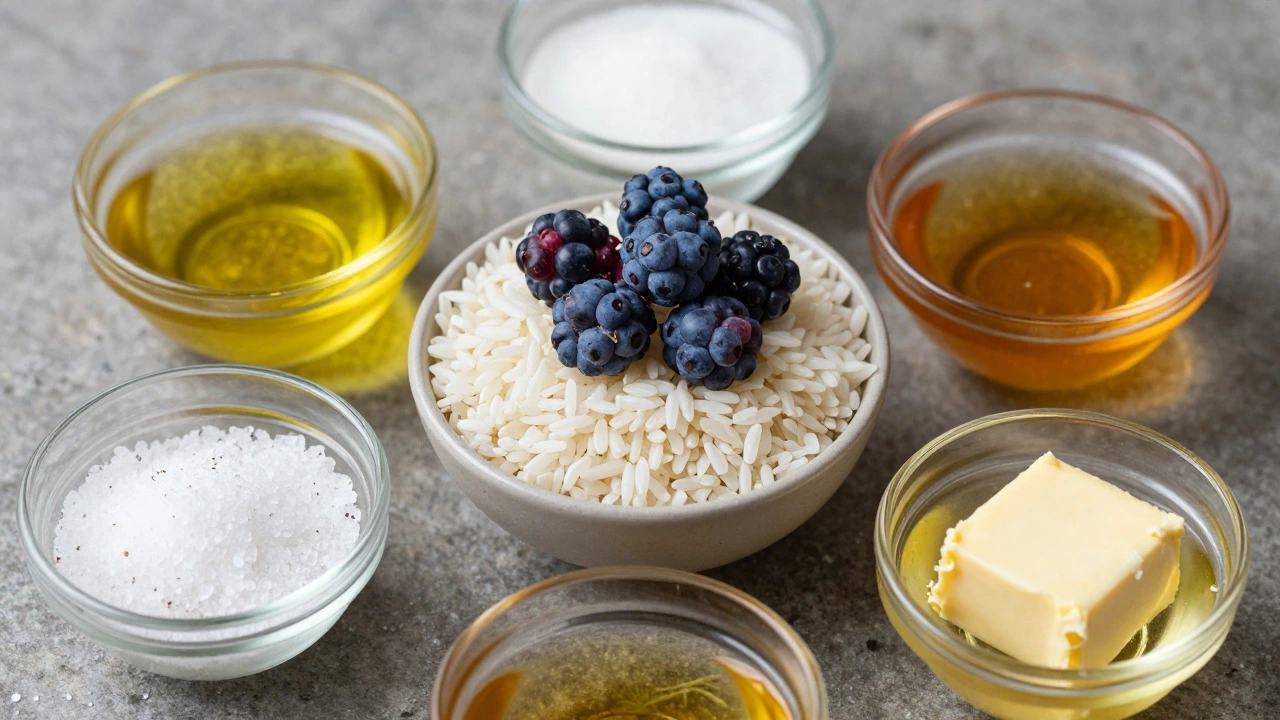
Processed culinary ingredients include oils, butter, fats, sugar, honey, maple syrup, and salt. While these items undergo processing-such as pressing oil from seeds or refining sugar cane-they remain simple. They consist of single ingredients.
The distinction between Level 1 and Level 2 can sometimes feel tricky. Is tomato sauce Level 1 or Level 2? Pure tomato paste might be considered minimally processed if it’s just crushed tomatoes. However, once you start blending tomatoes with vinegar, spices, and preservatives to create a shelf-stable jarred sauce, you are moving out of this category. Level 2 ingredients are tools. You use butter to sauté vegetables (Level 1). You use sugar to sweeten coffee. You use salt to enhance flavor. They are necessary components of cooking, but they are not meals in themselves.
The health implication here is balance. While these ingredients are natural products, consuming them in isolation or in large quantities can contribute to health issues. Sugar is still sugar, whether it comes from a fruit or a spoonful of white granules. The context matters: sugar inside an apple is accompanied by fiber and water; sugar in a cup of tea is pure caloric load.
Level 3: Processed Foods
This is where the line starts to blur for many consumers. Processed foods are made by adding Level 2 ingredients to Level 1 foods. The goal is usually to extend shelf life or improve taste, texture, or appearance. These foods are recognizable as modified versions of their original forms.
Common examples include:
- Canned vegetables with added salt.
- Canned fish with added oil or brine.
- Fresh cheeses.
- Bread made with flour, yeast, sugar, and salt.
- Cured meats like bacon or ham.
Processed foods are typically simpler than ultra-processed ones. They usually have short ingredient lists. If you pick up a loaf of artisan bread, the ingredients might list wheat flour, water, yeast, and salt. That is a processed food. It has been altered, yes, but the alteration is transparent. You can easily identify the source of each component.
The concern with Level 3 foods is not necessarily the processing itself, but the addition of high amounts of salt, sugar, or fat. Canned beans are nutritious, but the sodium content can be sky-high. Fresh cheese provides protein and calcium, but can be dense in saturated fat. The advice here isn’t to avoid them entirely, but to read labels. Look for the ratio of whole food to additive. A canned tomato product with only tomatoes and salt is far preferable to one with high-fructose corn syrup and artificial colors.
Level 4: Ultra-Processed Foods
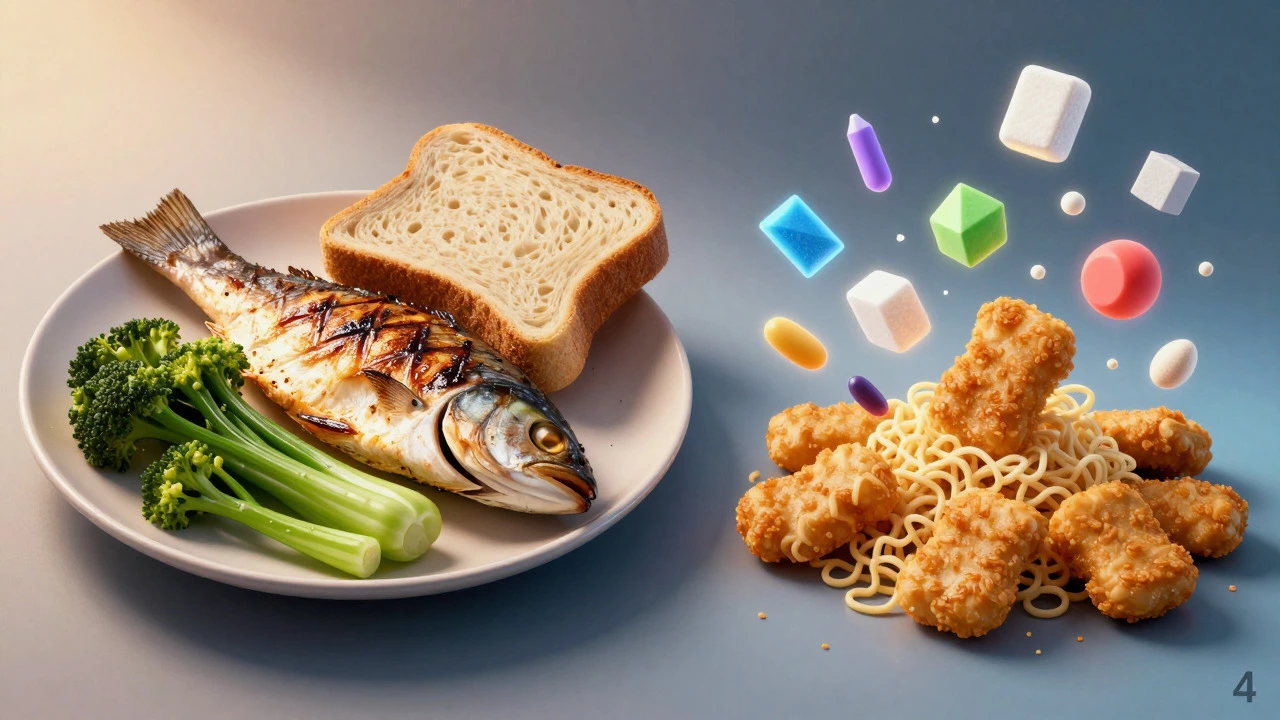
This is the category that has sparked the most debate and concern in recent years. Ultra-processed foods are industrial formulations made mostly or entirely from substances extracted from foods (oils, fats, sugar, starch, proteins), plus various additives designed to make the product look, smell, and taste appealing.
These foods often contain little to no whole, unprocessed food. They are engineered for maximum palatability, long shelf life, and convenience. The manufacturing process involves techniques that go beyond home cooking, such as extrusion, molding, and pre-frying.
Look at the ingredient list of a typical soda, a mass-produced cookie, a ready-to-eat microwave meal, or a flavored yogurt drink. You will see things like:
- High-fructose corn syrup.
- Hydrogenated oils.
- Modified starches.
- Emulsifiers (like polysorbate 80).
- Artificial flavors and colors.
- Propellants.
These ingredients are not found in a home kitchen. You don’t keep "sodium benzoate" or "monosodium glutamate" in your pantry next to the salt shaker. They are industrial-grade inputs. The result is a product that is hyper-palatable, meaning it hits the brain’s reward centers harder than natural foods do, often leading to overconsumption.
Research has consistently linked high consumption of ultra-processed foods with obesity, type 2 diabetes, heart disease, and certain cancers. This is not just because they are high in calories, but because they are low in fiber and micronutrients, and they alter gut microbiota. They displace whole foods in the diet. When you fill up on chips and soda, you aren’t eating the vegetables and lean proteins your body needs.
| Level | Definition | Examples | Typical Additives |
|---|---|---|---|
| 1. Unprocessed/Minimally Processed | Natural state or basic physical changes | Fruits, vegetables, meat, eggs, plain milk | None |
| 2. Processed Culinary Ingredients | Extracted from Level 1 foods | Oil, butter, sugar, salt, honey | None (single ingredient) |
| 3. Processed Foods | Level 1 + Level 2 combined | Canned beans, fresh cheese, simple bread | Salt, sugar, oil (visible amounts) |
| 4. Ultra-Processed Foods | Industrial formulations with additives | Soda, chips, frozen nuggets, instant noodles | Emulsifiers, stabilizers, artificial colors/flavors |
Why Does This Classification Matter?
You might wonder why we need four categories when we already know that "junk food" is bad. The issue is that "junk food" is a vague term. Some people consider pizza junk food; others consider it a balanced meal with carbs, protein, and veggies. The NOVA system removes the ambiguity.
It shifts the focus from counting calories to assessing food quality. Two meals can have the same calorie count, but if one is made from Level 1 and 2 ingredients and the other from Level 4, the metabolic impact will be vastly different. The ultra-processed meal spikes blood sugar faster, keeps you hungry sooner, and provides fewer nutrients per calorie.
For consumers, this framework offers a simple heuristic: aim for your diet to be predominantly composed of Level 1 foods, use Level 2 ingredients to cook them, enjoy Level 3 foods occasionally, and minimize Level 4 intake. It is not about perfection. It is about proportion. If 80% of your diet is unprocessed or minimally processed, the remaining 20% can be whatever brings you joy.
Practical Tips for Navigating the Grocery Store
Applying this knowledge requires a shift in shopping habits. Here are some actionable steps to help you identify and choose better options:
- Shop the perimeter. Most supermarkets place fresh produce, dairy, and meats on the outer edges. The inner aisles are dominated by processed and ultra-processed packaged goods.
- Read the ingredient list, not just the front label. Marketing terms like "natural," "whole grain," or "low fat" can be misleading. A cookie labeled "made with real chocolate" is still an ultra-processed food if the first five ingredients are sugar, hydrogenated oil, and modified starch.
- Count the ingredients. Generally, the shorter the list, the less processed the food. If you can’t pronounce an ingredient, ask yourself if you would buy it for your kitchen.
- Check for "novel" foods. If the product looks nothing like its raw counterpart (e.g., a chicken nugget that looks like a perfect golden rock), it is likely ultra-processed.
- Be wary of marketing gimmicks. Terms like "fortified" often indicate that nutrients were stripped during processing and then added back in. Whole foods retain their nutrients naturally.
Transitioning away from ultra-processed foods doesn’t happen overnight. Start by swapping one item at a time. Replace sugary cereal with oats and fruit. Swap soda for sparkling water with lemon. Gradually, your palate adjusts, and you begin to crave the true flavors of real food.
Common Misconceptions About Food Processing
There is a lot of noise surrounding food science. Let’s clear up a few myths.
Myth: All processed foods are bad.
Reality: Processing makes food safe and accessible. Pasteurization prevents milk-borne illnesses. Fortification of flour with folic acid prevents birth defects. The problem lies specifically with *ultra*-processing, not all processing.
Myth: Organic foods are always unprocessed.
Reality: You can buy organic cookies, organic soda, and organic chips. These are still ultra-processed foods. The "organic" label refers to farming practices, not the degree of industrial formulation.
Myth: If it’s plant-based, it’s healthy.
Reality: Potato chips are plant-based. So is candy corn. The source of the ingredient matters less than the final composition of the product.
Understanding the four levels of food processing empowers you to cut through the marketing hype. It gives you a lens to view the food environment critically. You don’t need to eliminate convenience entirely, but being aware of what you are buying helps you take control of your health. Next time you reach for a snack, pause and ask: which level is this? The answer might surprise you.
Is canned food considered processed or ultra-processed?
Canned food is generally considered Level 3 (Processed) if it contains only the food and basic ingredients like salt or water. For example, canned tuna in water or canned beans with salt are processed foods. However, if the canned product includes complex sauces, preservatives, or artificial flavors, it may cross into Level 4 (Ultra-Processed). Always check the ingredient list.
Are frozen vegetables ultra-processed?
No, plain frozen vegetables are Level 1 (Minimally Processed). Freezing is a preservation method that does not add ingredients. However, frozen vegetable mixes with creamy sauces, fried coatings, or added seasonings are likely Level 3 or Level 4, depending on the complexity of the additives.
What is the difference between processed and ultra-processed foods?
Processed foods (Level 3) are made by combining whole foods with culinary ingredients like salt, sugar, or oil. They are recognizable as modified versions of their original form. Ultra-processed foods (Level 4) are industrial formulations containing additives not typically used in home cooking, such as emulsifiers, stabilizers, and artificial colors. They often contain little to no whole food.
Is bread considered an ultra-processed food?
Simple bread made from flour, water, yeast, and salt is a Level 3 (Processed) food. However, many mass-produced white breads contain dough conditioners, emulsifiers, preservatives, and added sugars, which classify them as Level 4 (Ultra-Processed). Look for bread with a short, recognizable ingredient list.
Why are ultra-processed foods so popular?
Ultra-processed foods are designed to be hyper-palatable, combining optimal ratios of salt, sugar, and fat to trigger pleasure centers in the brain. They are also convenient, affordable, and have long shelf lives, making them highly accessible in modern lifestyles. Their marketing often emphasizes taste and ease over nutritional value.