Manufacturing Sector Opportunity Finder
Select a sector below to view detailed insights on market drivers, entry barriers, and strategic opportunities for 2024.
Eco-Packaging
High Growth Regulatory DrivenEV Components
Very High Precision EngineeringFunctional Food
Med-High Consumer TrendsTech Textiles
Medium Performance NeedsIoT Assembly
High Smart DevicesMedical Devices
Stable Post-Pandemic DemandSector Details
Market Metrics
Barriers include capital, regulatory compliance, or technical expertise required to start.
Select a Manufacturing Sector Above
Click on any card to reveal detailed analysis, growth metrics, and strategic advice for that specific industry.
You might think the manufacturing sector is stuck in a time warp of rusted gears and smokestacks. But look closer at what’s happening right now, especially if you’re eyeing a small scale manufacturing venture or trying to pivot an existing factory floor. The data from late 2023 through early 2024 tells a different story. We aren’t just seeing recovery; we are seeing a fundamental shift in what gets made, where it gets made, and why.
If you are wondering which sectors are actually putting money on the table for entrepreneurs and established firms alike, you need to ignore the hype cycles and look at supply chain gaps. Companies are desperate for local suppliers who can deliver quality without the six-month lead times associated with overseas shipping. This isn't about competing with China on volume anymore. It’s about agility, customization, and reliability.
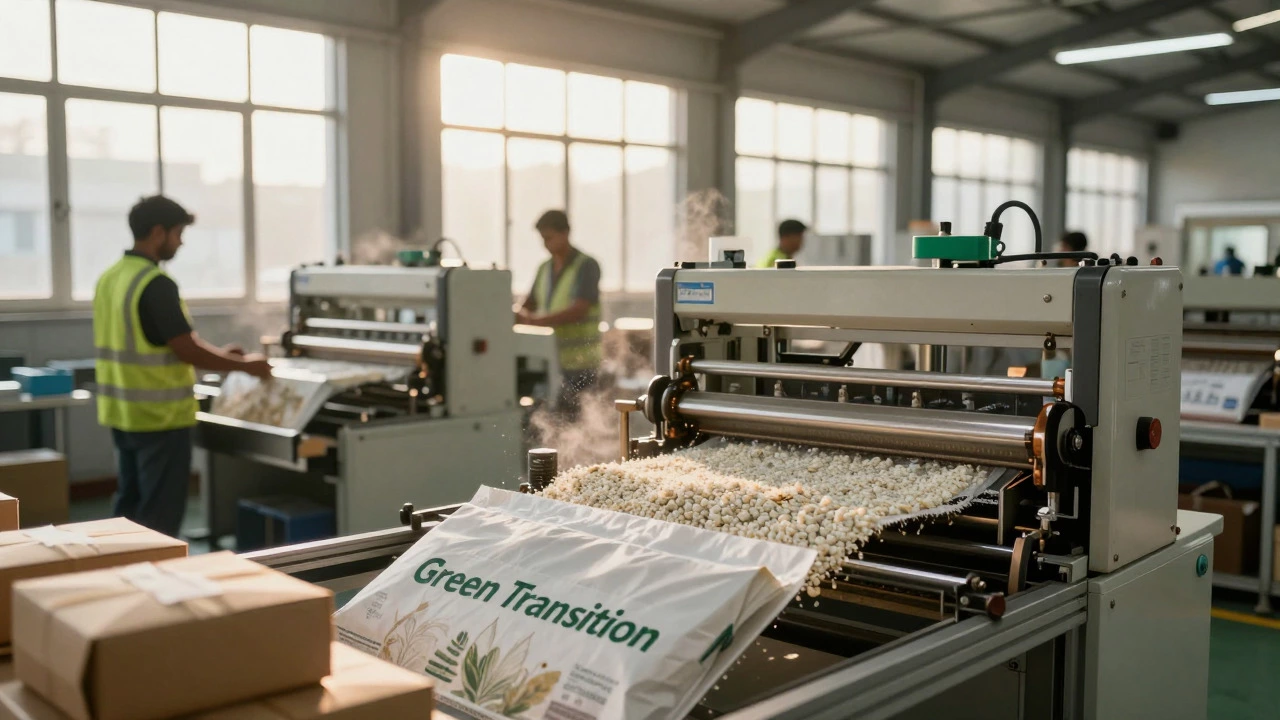
The Green Transition Is Not Just a Buzzword
Let’s be real: sustainability used to be a marketing sticker. Now, it’s a compliance requirement that drives purchasing decisions. The push for net-zero targets means manufacturers have to change their inputs. This creates massive opportunities for businesses that produce eco-friendly materials and components.
Consider the packaging industry. Plastic waste regulations are tightening globally. In Australia, where I live, single-use plastics bans are expanding. If you run a Plastic Manufacturing unit, your future depends on pivoting to biodegradable polymers or recycled content. Businesses producing compostable mailers, reusable containers, or plant-based packaging films are seeing order books fill up faster than traditional styrofoam producers.
It’s not just packaging. Energy efficiency retrofits for factories are booming. Manufacturers that build energy-efficient HVAC systems, LED lighting solutions, or smart sensors for power monitoring are thriving because their clients are terrified of rising electricity costs. You don’t need to invent new technology; you often just need to assemble and distribute existing green tech more effectively.
Supply Chain Resilience Drives Local Production
The pandemic taught us one brutal lesson: long supply chains break easily. When a ship got stuck in the Suez Canal, factories worldwide stopped. To prevent this from happening again, companies are moving toward "nearshoring" or reshoring. They want suppliers within their own region or country.
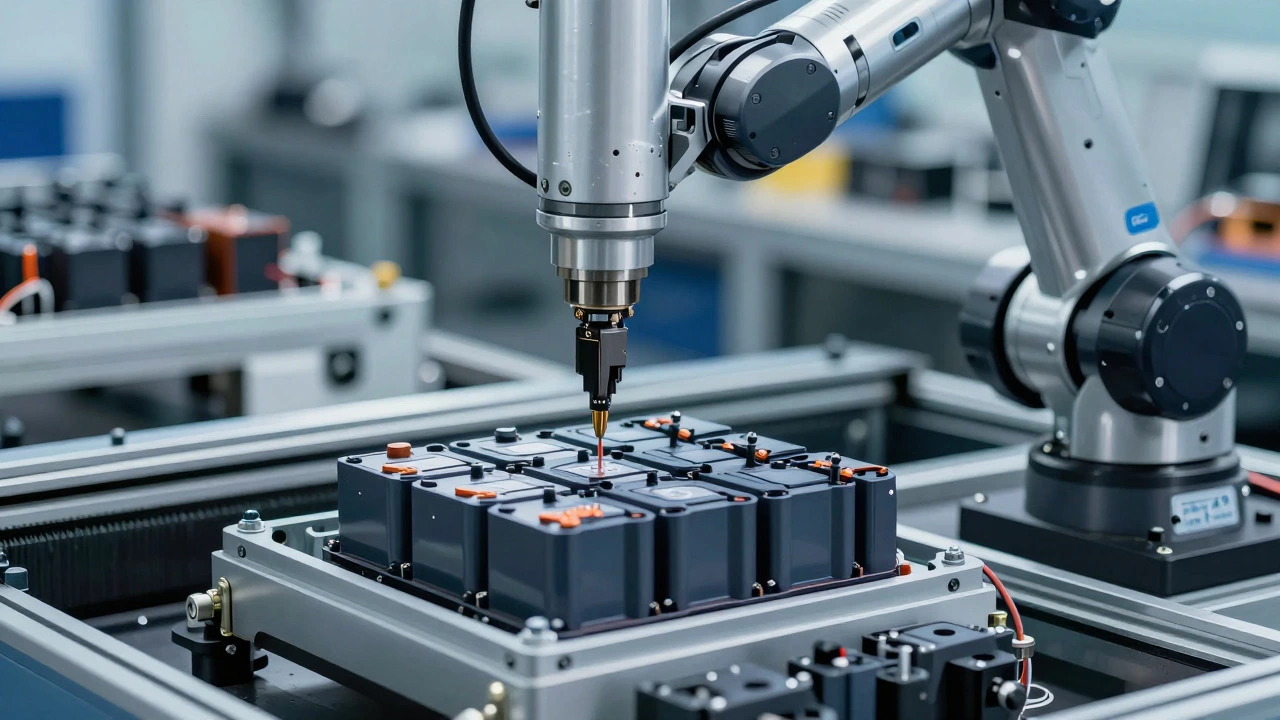
This shift benefits specific niches. Think about automotive parts. With the rise of electric vehicles (EVs), traditional internal combustion engine parts demand is dropping, but EV component manufacturing is exploding. However, it’s not just big car makers. Small workshops that machine precision brackets, custom wiring harnesses, or battery housing units are finding steady work. These components are too expensive to ship internationally due to weight-to-value ratios, making local Automobile Manufacturing support services highly lucrative.
Another area benefiting from this trend is medical devices. Post-pandemic, hospitals and clinics want backup sources for everything from syringes to ventilator parts. If you have the capability to produce Class I or Class II medical consumables locally, you are in a strong position. The barrier to entry involves regulatory compliance, but once you clear that hurdle, the contracts are long-term and stable.
Food Processing Meets Health Consciousness
People are eating differently. The demand for processed food hasn’t disappeared, but the definition of "processed" has changed. Consumers want transparency. They want to know what’s in their snacks, sauces, and ready meals. This opens doors for specialized Food Processing businesses that focus on clean labels.
Small-scale operations can outmaneuver giants here. Big brands struggle to quickly adapt to niche dietary trends like keto, vegan, gluten-free, or low-sugar. A local manufacturer can launch a line of sugar-free artisanal jams or high-protein plant-based snacks much faster. The key is flexibility. Your machinery needs to handle small batch runs efficiently. If you can switch from making almond butter to cashew butter in under two hours, you win.
Also, consider functional foods. Products infused with probiotics, collagen, or adaptogens are growing rapidly. These require specific processing techniques to preserve nutrient integrity. If your facility can handle gentle pasteurization or freeze-drying, you are tapping into a premium market segment willing to pay higher margins.
Tech-Enabled Textiles and Fashion
Fashion is notoriously fickle, but the manufacturing side is stabilizing around quality and speed. Fast fashion is slowing down slightly as consumers become more aware of waste. Instead, there is a surge in demand for durable, ethically produced textiles. This favors manufacturers who specialize in organic cotton, hemp, or recycled polyester blends.
For those in Textile Manufacturing, the opportunity lies in technical fabrics. Think moisture-wicking sportswear, antimicrobial hospital linens, or UV-protective outdoor gear. These products command better prices than basic t-shirts. Furthermore, digital printing technology has lowered the cost of custom designs, allowing small manufacturers to serve boutique brands that need low minimum order quantities. If you can offer quick turnaround times for small batches, you become indispensable to indie designers.
Electronics Assembly and IoT Devices
We are surrounded by connected devices. From smart thermostats to industrial sensors, the Internet of Things (IoT) is everywhere. While chip fabrication remains dominated by giant semiconductor foundries, the assembly and integration phase offers great opportunities for smaller players.
Many hardware startups design innovative products but lack the capacity to manufacture them at scale. They need contract manufacturers who can handle surface-mount technology (SMT) assembly, testing, and final packaging. If you set up a flexible electronics assembly line, you can serve multiple startups simultaneously. This diversifies your risk. If one startup fails, you still have five others keeping your lights on. The demand for smart home devices and wearable health trackers continues to grow, driving consistent orders for these assembly services.
| Sector | Primary Driver | Entry Barrier | Growth Potential |
|---|---|---|---|
| Eco-Packaging | Regulatory bans on single-use plastics | Medium (Material sourcing) | High |
| EV Components | Shift to electric vehicles | High (Precision engineering) | Very High |
| Functional Food | Health-conscious consumer trends | Low-Medium (Compliance) | Medium-High |
| Technical Textiles | Durability and performance needs | Medium (Specialized machinery) | Medium |
| IoT Assembly | Proliferation of smart devices | Medium (Tech expertise) | High |

How to Position Your Business for Success
Knowing the industries is half the battle. Executing correctly is the other half. Here is how you actually thrive in these sectors rather than just surviving.
- Focus on Agility: Large factories hate changing lines. If you can prove you can switch product types quickly, you will get contracts that big players refuse. Use modular machinery where possible.
- Invest in Digital Visibility: B2B buyers search online just like consumers. Ensure your website clearly states your capabilities, certifications, and lead times. Don’t hide your pricing model behind a "contact us" form if you can help it; give ranges.
- Build Local Partnerships: Connect with logistics providers who understand regional distribution. Being able to guarantee next-day delivery within your state or province is a massive competitive advantage over international competitors.
- Prioritize Quality Certifications: Whether it’s ISO 9001 for general manufacturing or HACCP for food, certifications are trust signals. Without them, you won’t even get a meeting with procurement managers at larger companies.
Don’t try to be everything to everyone. Pick one niche within these growing industries and dominate it. For example, instead of being a general "plastics manufacturer," be the go-to supplier for "compostable coffee cup lids." Specificity builds authority.
Risks to Watch Out For
It’s not all smooth sailing. Raw material volatility remains a huge risk. Prices for steel, resin, and agricultural commodities can swing wildly based on global events. Hedge your risks by locking in contracts for key inputs or passing variable costs to customers through indexed pricing clauses.
Labor shortages are another headache. Skilled machinists and technicians are hard to find. Invest in training programs or automate repetitive tasks to reduce dependency on scarce human resources. Retention matters more than recruitment right now; keep your good people happy with fair wages and safe conditions.
Which manufacturing sector has the lowest barrier to entry?
Small-scale food processing and artisanal textile production generally have lower initial capital requirements compared to heavy machinery or electronics assembly. However, regulatory compliance for food safety can still be complex and time-consuming.
Is plastic manufacturing dying?
No, but it is transforming. Traditional virgin plastic usage is facing pressure, but recycled plastics and biodegradable alternatives are growing rapidly. Manufacturers who adapt their processes to handle these new materials will continue to thrive.
How important is automation for small manufacturers?
Automation is crucial for consistency and scaling. Even simple automated sorting or packing machines can significantly reduce labor costs and errors. You don’t need full robotic arms; targeted automation in bottlenecks yields the best ROI.
What role does sustainability play in winning contracts?
Increasingly critical. Many large corporations now require suppliers to meet specific environmental standards. Demonstrating a reduced carbon footprint or using recycled materials can be a deciding factor in securing long-term B2B contracts.
Should I focus on export or domestic sales?
For most small and medium enterprises, focusing on domestic or regional sales first is safer. Supply chain disruptions make exports risky. Build a strong local base before attempting international logistics complexities.