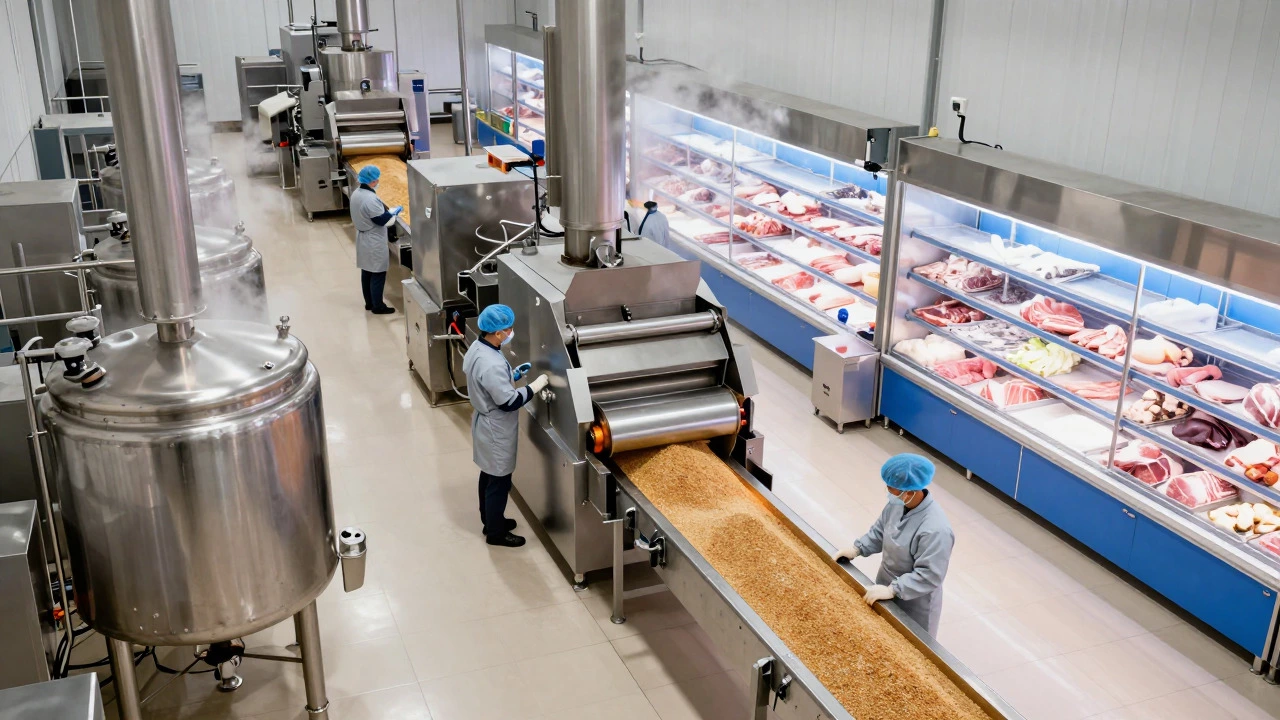
Food Processing Unit Classification Tool
Select the parameters that best describe your potential food business venture to identify its primary classification, required technologies, and estimated operational scale.
Business Parameters
Classification Result
PendingSelect a product category and daily output above to see your unit classification.
Walking into a modern supermarket, you see everything from fresh apples to frozen pizza and canned soup. Behind that variety lies a complex web of food processing units is facilities where raw agricultural products are transformed into safe, convenient, and shelf-stable foods through physical, chemical, or biological changes. But how many distinct types actually exist? The answer isn't a single number like "five" or "ten." Instead, it depends on whether you classify by product category, technology used, or scale of operation. For an entrepreneur looking to start a business, understanding these distinctions is critical because each type requires different machinery, regulations, and capital.
In this guide, we break down the landscape of food processing into clear, actionable categories. We will look at the major product-based divisions, the core technological methods, and the operational scales. By the end, you will know exactly which bucket your potential business idea fits into and what specific equipment or certifications you might need.
Key Takeaways
- Product-Based Classification: There are roughly 8-10 major product categories (e.g., dairy, meat, bakery) that define the primary type of processing unit.
- Technology-Based Methods: Processing relies on 5 core technical approaches: thermal, mechanical, chemical, biological, and preservation techniques.
- Scale Matters: Units are categorized as micro, small, medium, or large based on daily output volume, which dictates regulatory compliance costs.
- Hybrid Models Exist: Many modern facilities combine multiple types, such as a "cold chain" logistics hub that also performs light packaging.
- Regulatory Frameworks: In Australia and globally, FSSC 22000 and HACCP standards apply across all types, but specific hygiene zones vary by risk level.
Classification by Product Category
The most common way to identify a food processing unit is by what it produces. This approach is practical for investors and suppliers because the machinery is specialized for specific materials. Here are the primary categories you will encounter in the industry.
- Dairy Processing Plants: These units handle milk and cream. Key processes include pasteurization, homogenization, and fermentation. Examples include cheese factories, yogurt plants, and butter/churn facilities. The core challenge here is temperature control to prevent bacterial growth while maintaining texture.
- Meat and Poultry Abattoirs & Processors: These facilities perform slaughter, dressing, cutting, and further processing (like making sausages or deli meats). They require strict cold chain management, often operating at temperatures below -18°C for frozen storage.
- Bakery and Confectionery Units: Focused on flour-based products. This includes bread bakeries, biscuit factories, and chocolate coating lines. The key attribute here is precise mixing and baking time control to achieve consistent texture.
- Fruit and Vegetable Canning/Juicing Plants: These units deal with perishable produce. Processes involve washing, sorting, blanching, and sealing in cans, jars, or pouches. Juice extraction and concentration are also major sub-categories here.
- Grain Milling and Flour Production: Wheat, rice, and corn mills grind grains into flour. This is a heavy-duty mechanical process requiring robust steel rollers and sieves to remove bran and germ.
- Oilseed Crushing and Refining: Facilities that extract oil from seeds like sunflower, canola, or soybeans. This involves pressing, solvent extraction, and refining to remove impurities.
- Sugar Refineries: Convert raw cane or beet sugar into white crystalline sugar. This is a high-volume, continuous process involving evaporation and centrifugation.
- Seafood Processing Hubs: Located near coasts, these units clean, fillet, freeze, or smoke fish. Rapid freezing is critical to preserve quality and safety.
Each of these categories has its own supply chain nuances. For instance, a dairy plant needs a reliable milk collection network, whereas a grain mill depends on seasonal harvest availability. Knowing which category you are entering helps you map out your upstream suppliers correctly.
Classification by Processing Technology
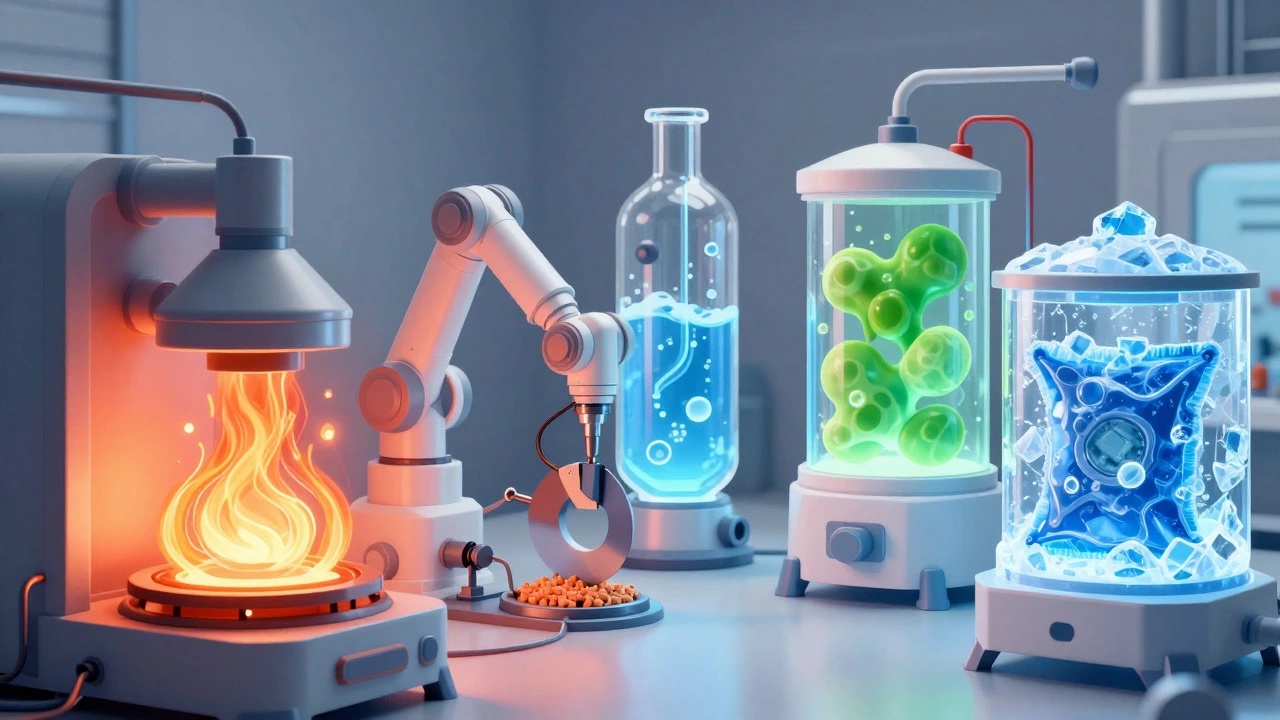
While product categories tell you *what* is made, technology types tell you *how*. Almost every food processing unit uses a combination of these five fundamental methods. Understanding them helps when selecting machinery.
| Technology Type | Primary Function | Common Equipment | Typical Application |
|---|---|---|---|
| Thermal Processing | Kills pathogens, stops enzymatic activity, cooks food | Autoclaves, Pasteurizers, Ovens, Fryers | Canned goods, UHT milk, Baked goods |
| Mechanical Processing | Changes physical form (size, shape, separation) | Grinders, Mixers, Cutters, Centrifuges | Flour milling, Meat mincing, Juice extraction |
| Chemical Processing | Adds or removes substances to alter properties | Reactors, Absorbers, Crystallizers | Sugar refining, Oil extraction, Flavoring |
| Biological Processing | Uses microorganisms to transform ingredients | Fermenters, Incubators, Culture rooms | Yogurt, Cheese, Beer, Vinegar |
| Preservation Techniques | Extends shelf life without cooking | Freezers, Dehydrators, Vacuum packers | Frozen vegetables, Dried fruits, Vacuum-packed meats |
For example, a yogurt plant primarily uses biological processing (fermentation) but also relies heavily on thermal processing (pasteurizing the milk first) and mechanical processing (homogenizing). If you are buying equipment, you must specify which technology dominates your line, as a fermenter tank is very different from a blast freezer.
Classification by Scale of Operation
Another critical dimension is size. In business terms, this affects your funding requirements, staffing levels, and regulatory burden. In Australia and many other jurisdictions, businesses are often classified by annual turnover or daily production capacity.
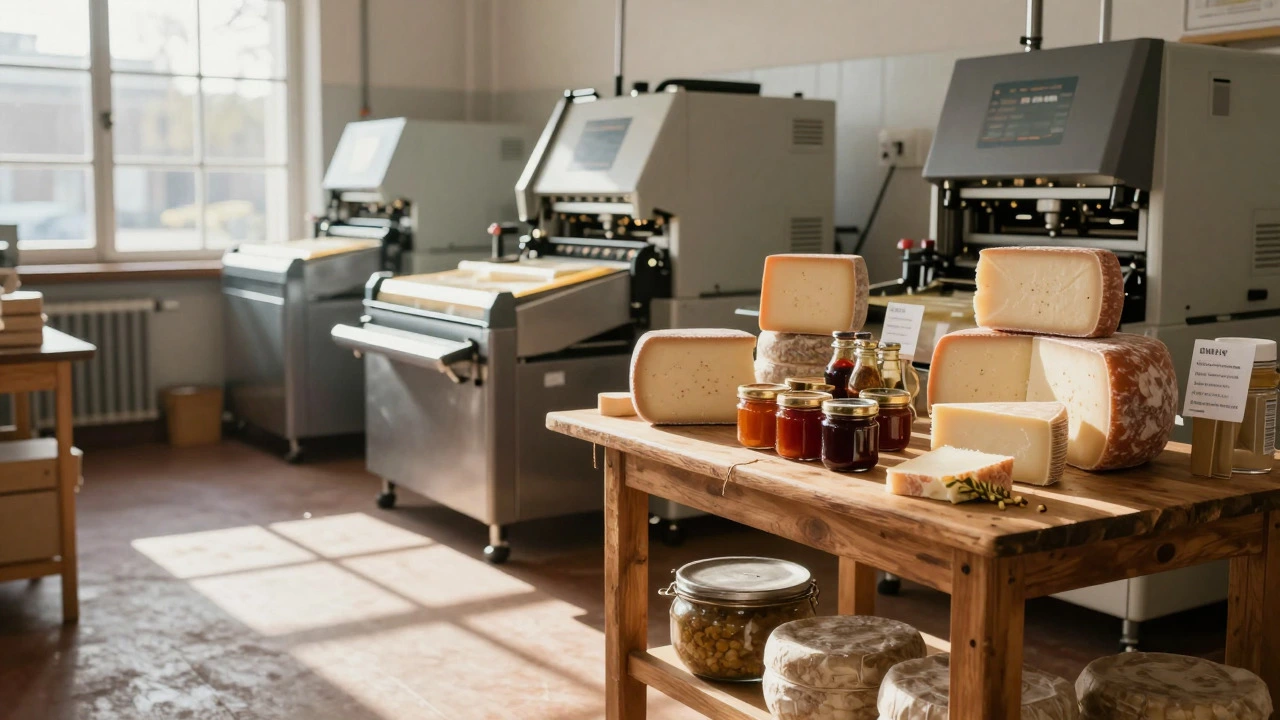
- Micro-Processing Units: Often home-based or cottage industries. Output is low (e.g., under 50kg per day). Common for artisanal cheeses, jams, or baked goods sold locally. Regulatory checks are lighter, but market reach is limited.
- Small-Scale Units: Industrial setup but limited capacity. Output ranges from 50kg to 500kg per day. These units usually have dedicated factory space and basic automated lines. They target regional markets or niche online sales.
- Medium-Scale Units: Significant automation and multi-shift operations. Output exceeds 500kg to several tons per day. These units often serve national distribution networks and require full HACCP certification and regular third-party audits.
- Large-Scale (Industrial) Plants: High-throughput facilities producing tens of thousands of kilograms daily. Think major cereal manufacturers or soft drink bottlers. They use continuous flow processes rather than batch processing and have extensive R&D departments.
When starting out, don't over-invest in large-scale machinery if your initial demand is local. Start with a small-scale unit that can be upgraded. Modular equipment allows you to add mixers or ovens as your volume grows, keeping your initial capital expenditure lower.
Specialized and Emerging Unit Types
Beyond the traditional categories, new types of processing units are emerging due to consumer trends and technology advances.
Ready-to-Eat (RTE) Meal Prep Centers: These are hybrid units that combine cooking, portioning, and cold-chain logistics. They process raw ingredients into complete meals for delivery services. The key attribute here is speed and hygiene during final assembly.
Plant-Based Protein Extrusion Plants: With the rise of veganism, units using extruders to turn pea or soy protein into meat-like textures are growing. This falls under mechanical and thermal processing but requires specific high-pressure extrusion technology.
Packaging and Labeling Lines: While not always considered "processing" in the chemical sense, many units focus solely on repackaging bulk goods into retail-ready formats. This includes filling, capping, labeling, and coding. It is a low-risk entry point into the food industry since no cooking or fermentation is involved.
Choosing the Right Type for Your Business
So, how do you decide which type of unit to establish? Consider these three factors:
- Market Demand: Is there a gap in local fresh produce (favoring fruit/veg processing) or a need for convenience foods (favoring RTE or bakery)?
- Capital Availability: Thermal and chemical processing units tend to be more capital-intensive due to energy costs and specialized tanks. Mechanical-only units (like grinding or cutting) may have lower startup costs.
- Supply Chain Proximity: Dairy and seafood units need to be close to their source material to maintain freshness. Grain and oilseed units can be located further inland near transport hubs.
If you are unsure, start with a pilot project. Rent a shared kitchen space to test your recipe and process before committing to a full industrial unit. This reduces risk and helps you understand the exact machinery specifications you need.
FAQ
What is the difference between a processing plant and a packing house?
A processing plant transforms raw ingredients into a new product (e.g., turning milk into cheese). A packing house typically handles post-harvest cleaning, sorting, and packaging of whole or minimally processed items (e.g., bagging potatoes or boxing oranges) without changing their fundamental nature.
Which type of food processing unit is easiest to start?
Packaging and labeling units or simple mechanical processing (like nut roasting or grain grinding) are generally easier to start. They require less complex technology and lower energy consumption compared to thermal or chemical processing plants.
Do all food processing units need the same safety certifications?
Yes, all units must comply with local food safety laws (such as FSANZ in Australia). However, the depth of inspection varies. High-risk units like meat processors face stricter hygiene zone requirements than low-risk units like dry grain mills.
Can a single facility be multiple types of processing units?
Yes, vertical integration is common. For example, a company might own a dairy farm, a milk pasteurization plant, and a yogurt fermentation facility under one roof. This reduces logistics costs and ensures quality control across the entire chain.
What is the role of cold chain in food processing units?
The cold chain is the unbroken sequence of refrigerated storage and distribution. It is critical for perishable units like dairy, meat, and seafood processing. Without proper cold chain maintenance, spoilage rates increase significantly, leading to waste and safety risks.