Manufacturing Stability Calculator
Configure Business Model
Stability Analysis
Most people think the safest business is one that requires zero money and zero effort. They are wrong. The businesses least likely to fail are not the ones with the lowest barriers to entry; they are the ones with the highest barriers to exit. If you can solve a problem that is expensive, painful, or legally required for other companies to fix, your revenue becomes sticky. In the world of manufacturing startup ideas, this principle holds true more than anywhere else.
We often hear horror stories about startups burning through cash in six months. But look at the data from the U.S. Small Business Administration (SBA) and similar bodies globally: nearly 20% of small businesses fail within their first year. However, those numbers skew heavily toward retail, food service, and tech ventures with high overhead and low margins. When you shift your focus to essential services and basic goods production, the survival rate climbs significantly. Why? Because people always need to eat, clean, build, and move. These needs do not vanish during an economic downturn.
The Myth of the "No-Fail" Business
Let’s get one thing straight: there is no such thing as a business with zero risk. Even government utilities face challenges. However, we can identify businesses with lower volatility. The key metric isn't just profit; it's predictability. A business model that generates consistent cash flow month after month is far less likely to collapse than one relying on viral trends or seasonal spikes.
In manufacturing, stability comes from B2B (business-to-business) relationships rather than B2C (business-to-consumer). Selling to consumers is emotional and fickle. Selling to other businesses is logical and contractual. If you manufacture a component that another factory needs to keep their lines running, they will pay you reliably because their downtime costs them thousands per hour. This creates a symbiotic relationship where your failure means their failure. That is the foundation of a resilient enterprise.
Essential Goods: The Bedrock of Stability
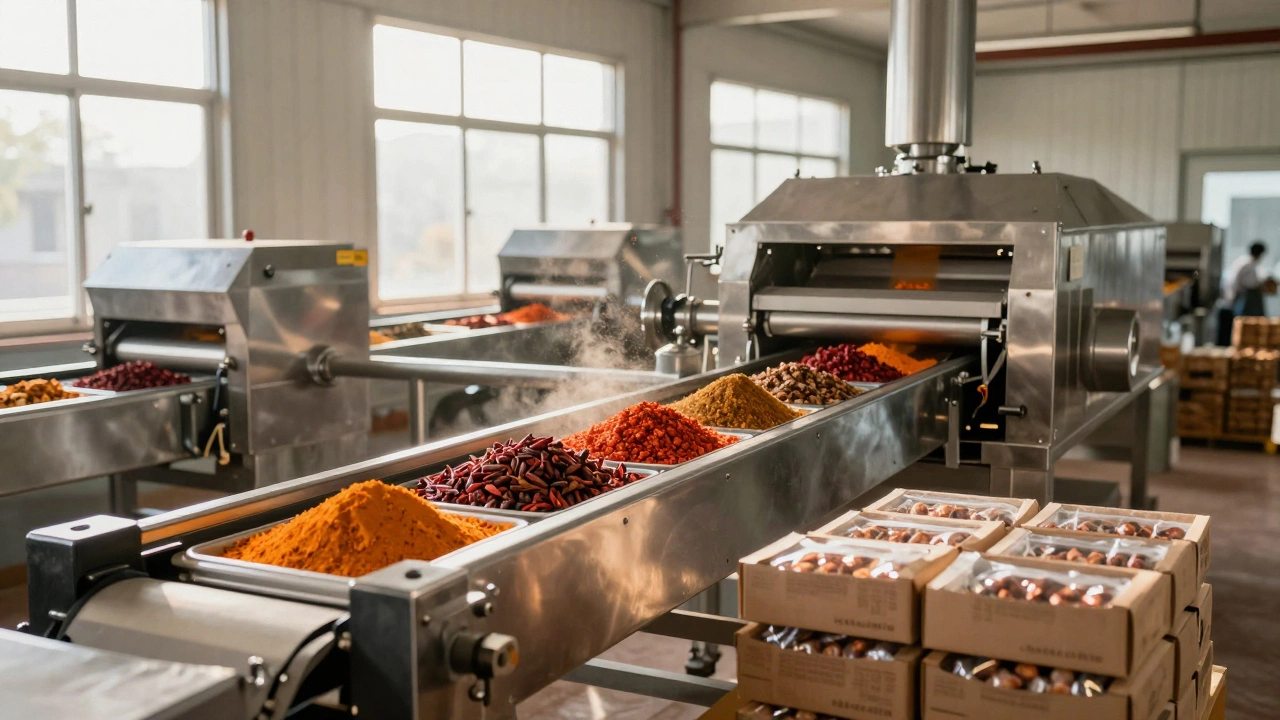
If you want to know what business is least likely to fail, look at the items in your pantry and bathroom cabinet. Food processing and packaging remain among the most stable sectors. People might stop buying new clothes or upgrading their phones, but they do not stop eating. Specifically, small scale manufacturing focused on shelf-stable foods offers incredible resilience.
Consider the production of spices, dried fruits, or packaged snacks. The raw materials are agricultural commodities, which fluctuate but never disappear. The machinery required is relatively simple compared to automotive assembly. More importantly, the demand is inelastic. When inflation hits, consumers might buy smaller portions, but they still buy. For a manufacturer, this means volume remains steady even if margins compress slightly. The key here is distribution. If you secure contracts with local grocery chains or regional distributors, you create a recurring revenue stream that is difficult to disrupt.
Another angle is water treatment and purification components. As climate change affects water quality, the demand for filtration systems and replacement cartridges grows. Manufacturing these consumables ensures repeat customers. Unlike a car bought once every five years, a filter is replaced every three to six months. This subscription-like model within physical goods manufacturing drastically reduces customer acquisition costs over time.
B2B Components and Industrial Supplies
While consumer goods are stable, industrial supplies are often safer because the sales cycles are longer and the switching costs are higher. Imagine you manufacture custom gaskets, specialized screws, or plastic injection-molded parts for medical devices. Once a large company qualifies your product and integrates it into their supply chain, they rarely switch suppliers. Re-qualifying a new vendor takes months of testing and auditing. This lock-in effect protects your business from competitors who might offer slightly lower prices.
This is why plastic manufacturing for industrial applications is a strong contender for low-risk ventures. Plastic is ubiquitous. It is used in everything from automotive interiors to electronic housings. By focusing on niche applications-such as UV-resistant plastics for outdoor equipment or heat-resistant polymers for electronics-you avoid competing with massive commodity producers. You become the go-to expert for a specific, high-value need. The margins are better, and the customer base is loyal.
Similarly, consider the maintenance, repair, and operations (MRO) sector. Factories need cleaning supplies, safety gear, and lubricants constantly. Manufacturing eco-friendly cleaning agents or biodegradable lubricants taps into both the essential nature of MRO and the growing regulatory pressure for sustainability. Companies cannot afford to stop cleaning their facilities or maintaining their machinery. Therefore, your product is not a luxury; it is a necessity for their operational continuity.
Construction Materials and Infrastructure
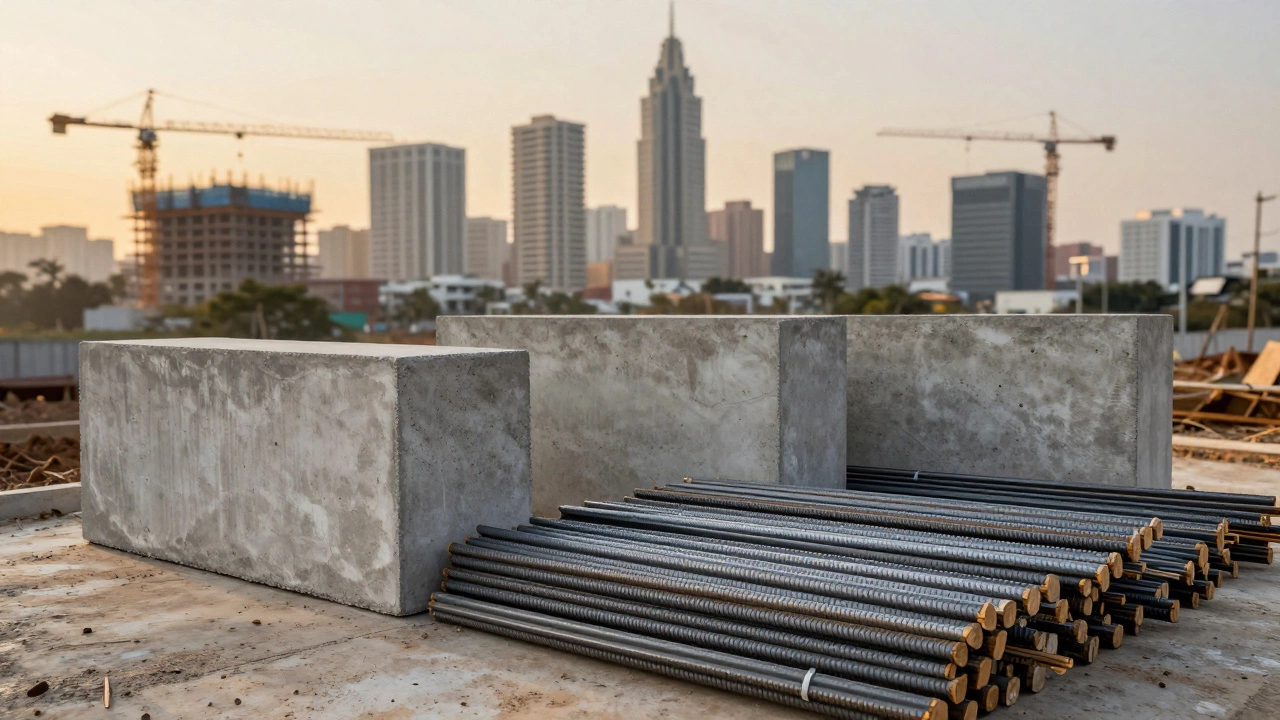
Population growth and urbanization drive the construction industry. While housing markets can bubble and burst, infrastructure projects tend to be long-term and government-backed. Manufacturing building materials like precast concrete blocks, steel reinforcement bars, or sustainable insulation panels provides a hedge against economic cycles. Governments continue to invest in roads, bridges, and public buildings regardless of short-term market fluctuations.
steel manufacturing and its derivatives have seen cyclical dips, but the underlying demand remains robust due to global infrastructure deficits. For a smaller player, specializing in recycled steel products or aluminum framing for green buildings can be lucrative. The trend toward sustainable construction is not a fad; it is mandated by building codes in many regions. By aligning your manufacturing output with regulatory requirements, you ensure a baseline of demand that is protected by law.
Furthermore, the rise of modular construction is changing how buildings are erected. Instead of constructing homes entirely on-site, components are manufactured in factories and assembled on location. This method reduces waste, speeds up construction, and improves quality control. Starting a manufacturing unit that produces modular wall panels, roof trusses, or bathroom pods positions you at the intersection of traditional construction and modern efficiency. The initial investment is higher, but the contracts are larger and longer-lasting.
Healthcare and Pharmaceutical Packaging
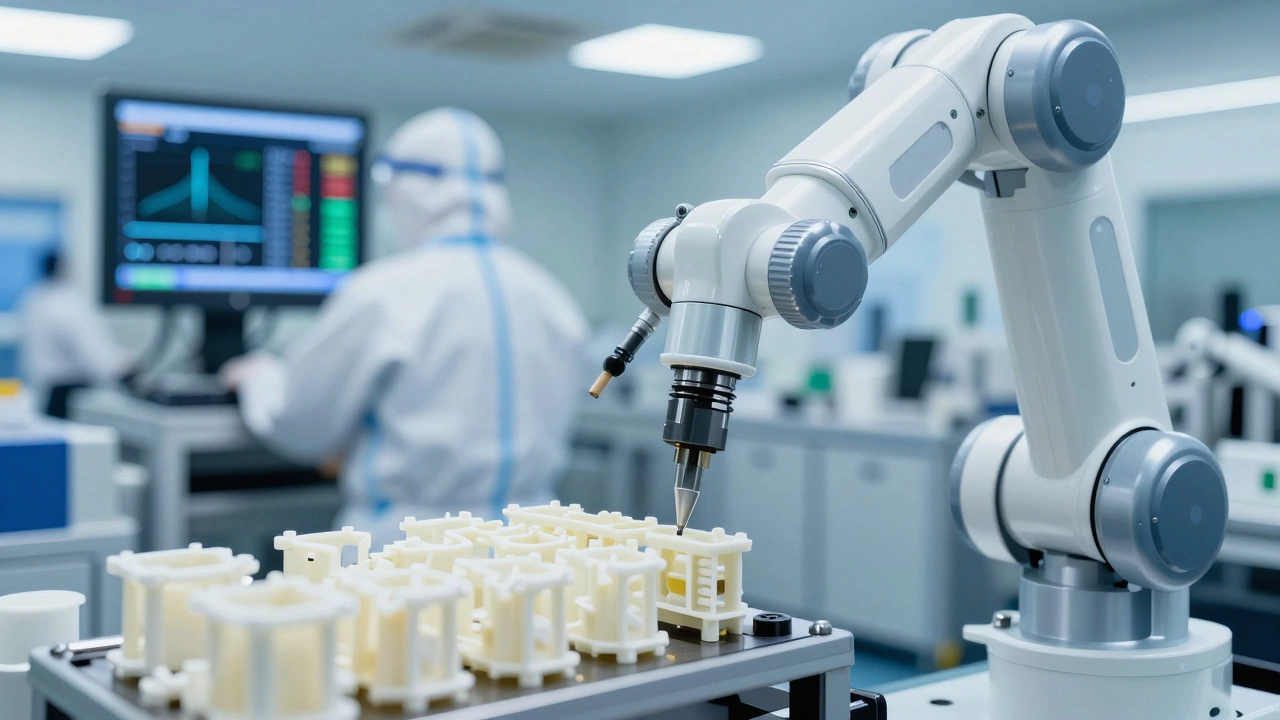
The healthcare sector is arguably the most recession-proof industry. People get sick regardless of the stock market. While drug discovery is high-risk, the packaging and delivery mechanisms for pharmaceuticals are not. pharma manufacturing support services, such as producing blister packs, vials, syringes, and sterile containers, represent a stable niche. Regulatory standards are strict, which keeps out casual competitors, but once you are certified, your position is secure.
Aging populations in developed nations mean the demand for medical devices and their packaging will only increase. Manufacturing single-use medical supplies or diagnostic test kits involves precise engineering but offers high margins and recurring orders. Hospitals and clinics operate on tight schedules and require reliable suppliers. If you demonstrate consistency and compliance with health regulations, you become an indispensable partner in their supply chain.
Additionally, the telehealth boom has increased the need for home-care medical kits. Producing compact, user-friendly diagnostic tools or rehabilitation equipment for home use is a growing segment. These products require careful design and quality assurance, but the market is expanding rapidly. Unlike fashion accessories, medical devices have a functional purpose that justifies the price point, reducing price sensitivity among buyers.
| Sector | Barrier to Entry | Demand Stability | Competition Level | Key Risk Factor |
|---|---|---|---|---|
| Food Processing | Low-Medium | Very High | High | Regulatory Compliance |
| Industrial Plastics | Medium-High | High | Medium | Raw Material Costs |
| Construction Materials | High | High | Medium | Economic Cycles |
| Pharma Packaging | Very High | Very High | Low | Certification Costs |
| MRO Supplies | Low | High | High | Price Wars |
Service-Based Manufacturing Hybrid Models
Pure manufacturing can be capital-intensive. A hybrid model that combines manufacturing with service can reduce risk further. For example, instead of just selling water filters, you sell the installation and maintenance contract. Instead of just making office furniture, you offer leasing and refurbishment services. This shifts your revenue from one-time transactions to recurring income streams.
furniture manufacturing with a rental twist is gaining traction in urban areas. Young professionals prefer flexibility over ownership. By manufacturing durable, modular furniture and renting it out to corporations or individuals, you retain asset ownership and generate monthly cash flow. When a tenant moves out, you refurbish and re-rent the item. This circular economy approach minimizes waste and maximizes the utility of each manufactured unit.
Another example is textile manufacturing for uniforms. Schools, hospitals, and restaurants need uniforms regularly. By offering a full-service package including measurement, manufacturing, delivery, and laundering, you lock in customers for years. The manufacturing aspect provides the product, while the service aspect ensures retention. This dual approach makes it difficult for competitors to undercut you because they would have to match both the product quality and the service reliability.
Why Location and Localization Matter
Global supply chain disruptions have taught us that proximity matters. Businesses that source locally and serve local markets are less vulnerable to international trade wars, shipping delays, and currency fluctuations. In Brisbane, Australia, for instance, the push for local manufacturing in defense, agriculture, and renewable energy sectors presents opportunities. Supporting local initiatives often comes with government grants or tax incentives, lowering the effective cost of entry.
government schemes for small manufacturers can provide crucial early-stage support. Many countries offer subsidies for automation, energy-efficient machinery, or hiring local talent. Leveraging these resources reduces financial strain during the critical first two years. Moreover, local customers increasingly prefer locally made products due to ethical concerns and environmental impact. Marketing your "local" status can command a premium price, improving margins without increasing volume.
However, localization also means understanding regional regulations thoroughly. Building codes, food safety standards, and labor laws vary by jurisdiction. Ignorance is not an excuse. Conducting thorough due diligence before launching ensures you avoid costly fines or shutdowns. Engaging with local industry associations can provide insights into best practices and potential partnerships.
Building Resilience Through Diversification
No single product line guarantees success forever. Consumer tastes change, technologies evolve, and regulations shift. The most resilient businesses diversify their offerings within their core competency. If you manufacture kitchen utensils, expand into storage solutions or cleaning tools. If you produce automotive parts, explore components for electric vehicles. This cross-selling capability increases the lifetime value of each customer and spreads risk across multiple product categories.
Diversification should be strategic, not random. Stick to adjacent markets where your existing expertise, machinery, and supplier relationships apply. Expanding into unrelated fields dilutes focus and strains resources. For example, a paper manufacturer might move into packaging materials, leveraging their knowledge of pulp and paper processing. Jumping into electronics manufacturing would require entirely new skills and capital, increasing risk unnecessarily.
Regularly reviewing your product portfolio and discontinuing underperforming lines is equally important. Clinging to obsolete products drains resources and distracts from innovation. Use data analytics to track sales trends, customer feedback, and profit margins. Be willing to pivot quickly when signs of decline appear. Agility is a key trait of surviving businesses.
The Role of Technology in Reducing Failure Rates
Technology is not just for tech startups. Traditional manufacturers who adopt digital tools gain significant advantages. Inventory management software prevents overstocking and stockouts. Customer relationship management (CRM) systems help track leads and nurture relationships. Predictive maintenance algorithms alert you to machine failures before they occur, minimizing downtime.
Automation reduces reliance on manual labor, which can be scarce and expensive. Robotic arms for welding or painting improve consistency and speed. 3D printing allows for rapid prototyping and custom parts production without expensive tooling. These technologies lower operational costs and improve quality, making your business more competitive and profitable.
Data-driven decision-making replaces gut feelings. Analyzing sales patterns helps forecast demand accurately. Monitoring competitor pricing enables dynamic adjustments. Tracking customer satisfaction scores identifies areas for improvement. Embracing technology transforms manufacturing from a craft into a science, reducing uncertainty and enhancing control.
Is manufacturing really less risky than starting a restaurant?
Generally, yes. Restaurants have notoriously high failure rates due to thin margins, high staff turnover, and intense competition. Manufacturing, especially B2B, often involves longer contracts and bulk orders, providing more predictable cash flow. However, manufacturing requires higher upfront capital for equipment and inventory.
What is the best low-capital manufacturing idea?
Small-scale food processing, such as making jams, pickles, or spice blends, requires relatively low initial investment. Another option is assembling kits or bundling existing products for niche markets. Both leverage simple processes and have clear paths to market via local stores or online platforms.
How do I protect my manufacturing business from economic recessions?
Focus on essential goods that people cannot live without, such as food, hygiene products, or basic construction materials. Build strong B2B relationships with long-term contracts. Maintain a healthy cash reserve and keep operational costs lean. Diversify your customer base so you are not dependent on a single client.
Are government grants available for new manufacturing startups?
Yes, many governments offer grants, tax credits, and low-interest loans to encourage local manufacturing, job creation, and technological adoption. Research programs specific to your region and industry. Often, these funds are targeted at sustainability initiatives, automation, or export expansion.
Can I start a manufacturing business with no experience?
It is challenging but possible if you partner with experienced operators or hire skilled managers. Alternatively, choose a niche where you have domain knowledge, such as crafting or cooking, and scale it up. Education through courses, apprenticeships, or industry workshops can bridge the knowledge gap.