Manufacturing Profit Calculator
Calculate Your Manufacturing Profit
Enter your business metrics to see your potential monthly profit. Use the examples from the article or input your own numbers.
Enter your data to see your potential monthly profit
Not all manufacturing businesses are created equal. Some grind for thin margins, while others rake in profits with little fanfare. If you’re asking what business makes a lot of money, the answer isn’t just ‘anything big.’ It’s about high-margin, scalable, low-overhead manufacturing - the kind that turns raw materials into products people can’t live without.
Medical Device Manufacturing Is a Cash Machine
Think about the last time you bought a bandage, glucose monitor, or IV drip. These aren’t luxury items - they’re daily necessities in hospitals, clinics, and homes. The global medical device market hit $620 billion in 2024, and it’s growing at 5.7% yearly. What’s wild? Many of these devices cost under $5 to make and sell for $50 to $200.
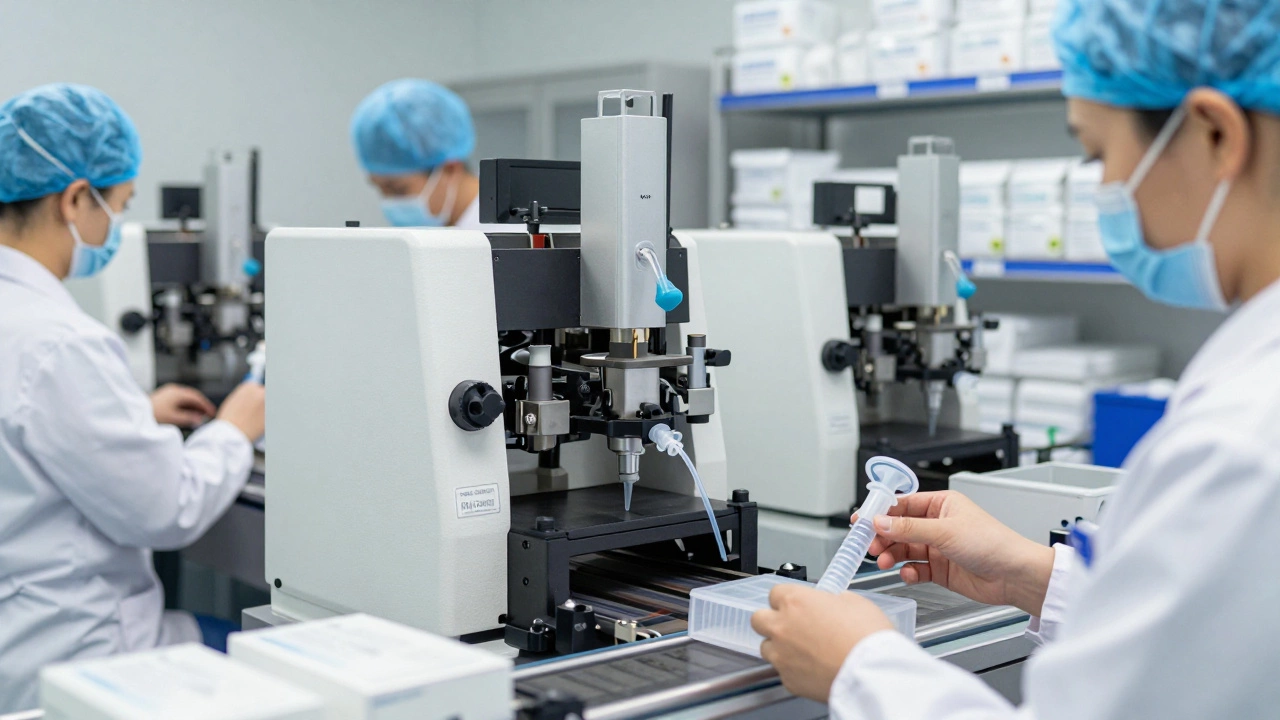
Take nasal cannulas - the plastic tubes that deliver oxygen. A single unit costs about $0.80 to produce in a small factory. Hospitals buy them in bulk for $12 each. That’s a 1,400% markup. And because they’re disposable, demand never drops. You don’t need a massive facility. A 2,000-square-foot plant with three injection molding machines and a sterilization unit can churn out 50,000 units a month. Regulatory approval takes time, but once you’re certified by the FDA or TGA (Australia’s Therapeutic Goods Administration), you’re locked in.
Specialty Food Processing: The Snack Revolution
People aren’t just eating more snacks - they’re paying premium prices for snacks that taste good and feel good. Think plant-based protein bars, keto-friendly crackers, or fermented probiotic snacks. These aren’t your grandma’s potato chips.
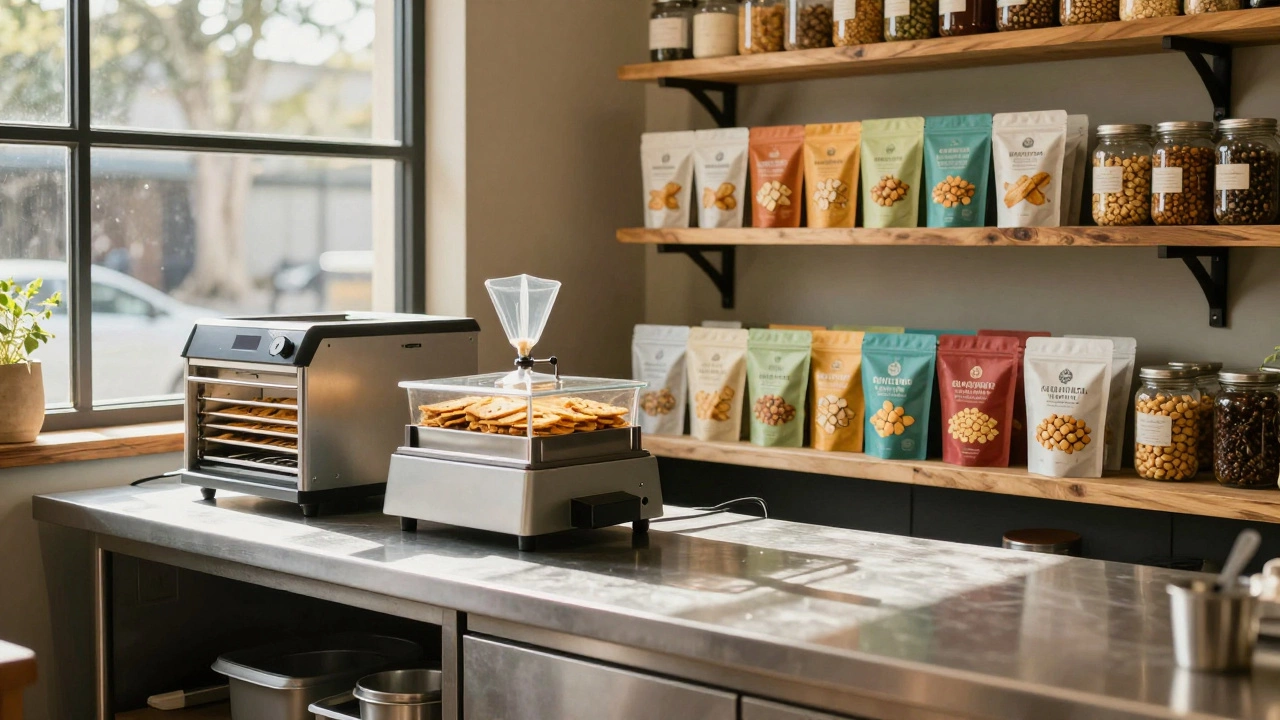
A small-scale producer in Brisbane makes chickpea-based protein crackers. Ingredients cost $1.20 per 100g pack. They sell for $8.50 in health stores. That’s a 600% margin. The kicker? No big brand dominates this space yet. Local demand is exploding. Australians spent over $1.2 billion on functional foods in 2024, up 32% from 2022.
You don’t need a factory. A commercial kitchen with a dehydrator, packaging machine, and labeling setup is enough. Get certified for food safety (HACCP), and you can sell to local grocers, gyms, and online. The real profit? Repeat customers. Once someone tries your snack and feels the energy boost, they come back - and tell their friends.
Recycled Plastic Products: Turning Waste Into Wealth
Plastic waste is a crisis. But it’s also a goldmine for smart manufacturers. In Australia, over 1.5 million tons of plastic are thrown away each year. Less than 12% gets recycled properly. That means raw material is cheap - sometimes free.
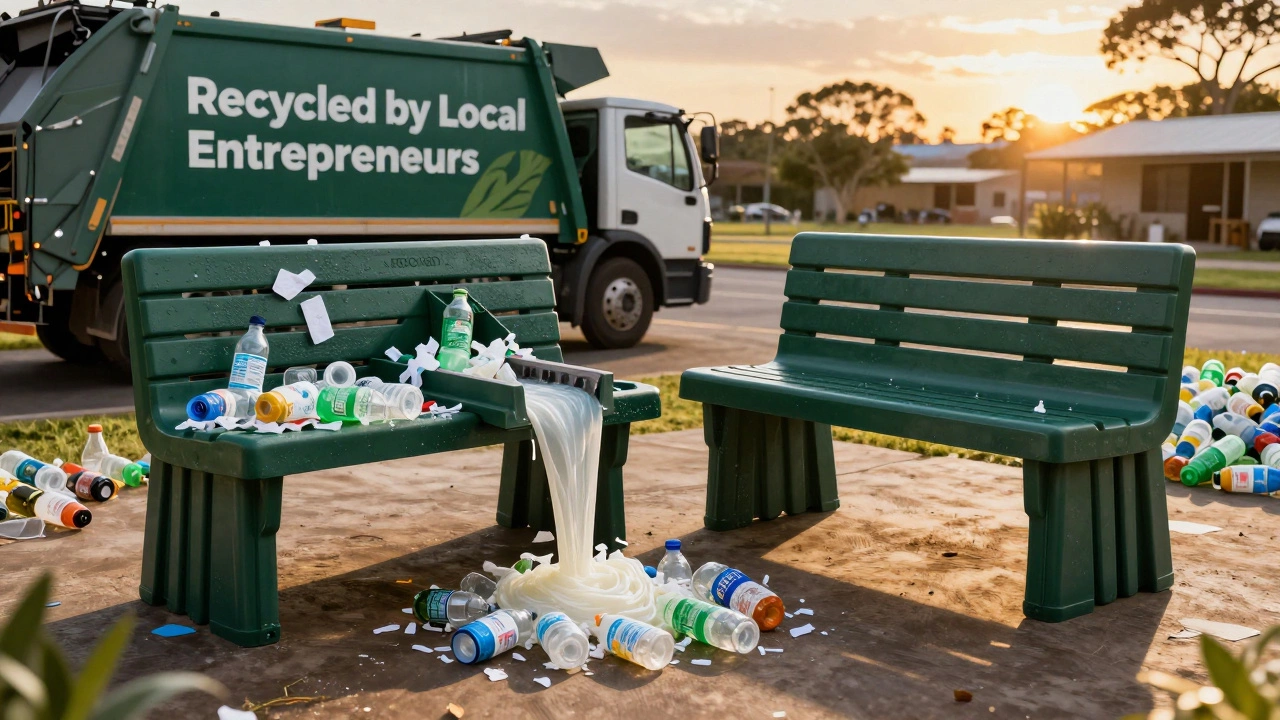
Companies are turning collected plastic bottles into outdoor furniture, garden planters, and even decking boards. One manufacturer in regional Queensland buys used HDPE bottles for $0.05 per kg. They clean, shred, melt, and mold them into durable garden benches. Each bench sells for $220. Material cost? $8. Labor and overhead? $45. Profit? Over $160 per unit.
And here’s the secret: local councils pay you to take their plastic waste. Some even offer grants for recycling startups. You’re not just making money - you’re solving a problem governments can’t fix. Plus, eco-conscious brands will pay extra to use your products in their packaging or retail displays.
Custom Metal Fabrication for Agriculture
Australia’s farming sector spends over $3 billion a year on equipment repairs and upgrades. Most of that goes to custom parts - things you can’t buy off the shelf. Think gate latches that won’t rust, irrigation brackets that fit old tanks, or trailer hitch reinforcements for outback haulers.
A small workshop in Toowoomba makes these parts on demand. They use scrap steel from local demolition sites. A single custom gate latch costs $4 in materials. They charge $45. A farmer doesn’t care about brand names - he cares about something that lasts through dust, rain, and 50,000 open-and-closes.
You don’t need fancy robotics. A CNC plasma cutter, a welding station, and a basic CAD program are enough. The real advantage? Speed. If a farmer calls at 8 a.m. with a broken part, you can have a replacement ready by 4 p.m. That kind of service builds loyalty. Repeat customers mean steady cash flow - no big marketing budget needed.
High-End Pet Food Production
Australians spent $4.1 billion on pet care in 2024. Of that, $1.3 billion went to premium pet food. And the fastest-growing segment? Grain-free, human-grade, freeze-dried meals for dogs and cats.
A small producer in Perth sources organic chicken, beef, and vegetables from local farms. They cook the food, then freeze-dry it to lock in nutrients. A 250g bag costs $3.50 to make. It sells for $28. That’s a 700% margin. Customers aren’t buying food - they’re buying peace of mind. They want to know exactly what’s in the bag, and they’re willing to pay for transparency.
You can start in a 500-square-foot unit. A freeze-dryer costs about $35,000. It pays for itself in six months if you sell 500 bags a week. Label it clearly: ‘No fillers. No preservatives. Just real meat and veggies.’ That’s all it takes. Pet owners will pay extra - and they’ll stick with you.
Why Most Manufacturing Businesses Fail (And How to Avoid It)
Here’s the hard truth: 80% of new manufacturing businesses fail within five years. Why? They try to compete with giants. They buy expensive machines they don’t need. They chase trends instead of needs.
The winners? They start small. They focus on one product. They solve a real, daily problem. They don’t need a warehouse. They don’t need a sales team. They just need to make something people can’t do without - and sell it at a price that makes sense.
Don’t try to build the next Tesla. Build the next oxygen tube. The next protein bar. The next garden bench. These aren’t glamorous. But they’re reliable. And they make money - every single month.
What You Need to Get Started
- Start small: Don’t buy a $500,000 production line. Rent equipment. Use co-manufacturing spaces.
- Find your niche: Who’s underserved? Farmers? Pet owners? Seniors? Pick one group and serve them deeply.
- Control your costs: Source scrap materials. Partner with waste collectors. Use local suppliers.
- Get certified: TGA for medical, HACCP for food, ISO for plastics. Certification isn’t paperwork - it’s your license to charge more.
- Sell directly: Skip distributors. Sell to end users through local markets, Facebook groups, or your own website. You keep 100% of the profit.
Real Numbers, Real Results
Let’s compare three real manufacturers in Australia:
| Business | Monthly Units Sold | Cost per Unit | Selling Price | Monthly Profit |
|---|---|---|---|---|
| Medical Nasal Cannulas | 50,000 | $0.80 | $12.00 | $560,000 |
| Plant-Based Protein Crackers | 8,000 | $1.20 | $8.50 | $58,400 |
| Recycled Garden Benches | 120 | $53 | $220 | $20,040 |
Notice something? The medical device maker makes more in one month than the others do in a year. But the bench maker has lower overhead. The cracker maker has the fastest startup time. The point isn’t which one is ‘best.’ It’s which one fits your skills, capital, and risk tolerance.
Bottom Line: Profit Lives in the Details
What business makes a lot of money? The one that doesn’t try to be everything. The one that solves a quiet, daily problem. The one that turns something cheap into something essential.
You don’t need to invent the next smartphone. You just need to make the thing that keeps someone healthy, fed, or safe - and do it better than anyone else.
What manufacturing business has the highest profit margin?
Medical device manufacturing often has the highest margins - sometimes over 1,000%. Disposable items like nasal cannulas, IV tubing, and wound dressings cost pennies to make but sell for tens of dollars. The key is regulatory approval, which creates barriers to entry and protects pricing.
Can you start a manufacturing business with little money?
Yes. Businesses like custom pet food, recycled plastic products, or small-batch snacks can start under $20,000. You can rent equipment, use co-manufacturing hubs, and sell directly to customers. The focus should be on low-cost materials and high perceived value - not big machines.
Is manufacturing still profitable in 2025?
Absolutely - but only if you focus on niche, high-demand products. Global supply chains are shifting, and local manufacturing is booming. Consumers want faster delivery, transparency, and sustainability. Businesses that meet those needs are thriving, even as big factories struggle.
What’s the easiest manufacturing business to start?
Small-batch food products like protein bars or keto snacks. You need a commercial kitchen, basic packaging, and a food safety certificate. Startup costs are low, demand is high, and customers are loyal. You can start selling online in under 30 days.
How do I find customers for my manufactured product?
Start local. Sell at farmers’ markets, gyms, vet clinics, or hardware stores. Use Facebook Marketplace and Instagram to reach niche groups. Once you have 50 loyal customers, ask them for referrals. Word-of-mouth beats ads every time in manufacturing.
Next Steps
If you’re serious about starting a profitable manufacturing business, do this first: pick one product idea from above. Then, call three local suppliers - scrap metal yards, food distributors, or plastic recyclers. Ask what they’re throwing away and how much it costs. That’s your raw material. Now, go talk to five potential customers - a vet, a farmer, a health store owner. Ask them if they’d buy it. If they say yes, you’ve already passed the first test.
Profit isn’t about scale. It’s about focus. Make something simple. Sell it well. Repeat.