Plastic #1 (PET) Safety & Recycling Guide
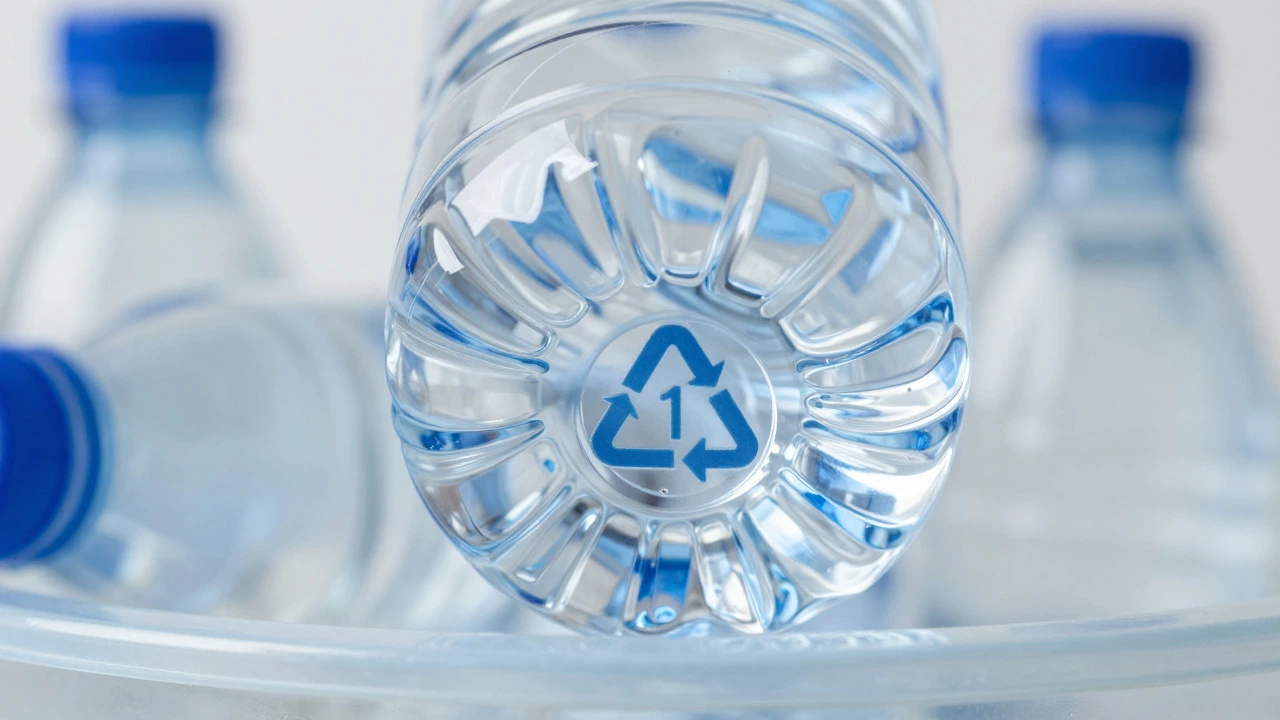
You’ve seen it a thousand times. That little triangle of arrows with a bold "1" inside, stamped onto the bottom of your water bottle, soda container, or juice jug. It’s ubiquitous, yet most people walk past it without knowing what it actually tells them about the material in their hands. Is it safe? Can you reuse it? And more importantly, does that symbol guarantee it will be recycled?
That number is part of the Resin Identification Code (RIC), a system created by the Society of the Plastics Industry in 1988 to help sort recyclable materials. The number 1 specifically identifies Polyethylene Terephthalate, commonly known as PET or PETE. Understanding this code is crucial for anyone involved in plastic manufacturing or waste management, because PET behaves very differently from other plastics like HDPE (#2) or PVC (#3).
The Chemistry Behind PET: Why It’s Everywhere
PET isn’t just a random plastic; it’s engineered for specific performance traits that make it ideal for packaging liquids and dry goods. Chemically, it is a thermoplastic polymer made from ethylene glycol and terephthalic acid. This structure gives it high strength-to-weight ratio, meaning manufacturers can use less material to create a durable container. If you pick up an empty PET bottle, you’ll notice it’s lightweight but surprisingly tough-it resists cracking and shattering better than glass or many other plastics.
From a manufacturing perspective, PET is favored because it is transparent. Consumers want to see the product inside, whether it’s sparkling water or salad dressing. Unlike opaque plastics, PET allows for clear visibility without needing additional labeling. It also has excellent barrier properties against gases like oxygen and carbon dioxide. This is why your soda stays fizzy for weeks after opening if kept sealed. In the context of small scale manufacturing, PET injection molding and blow molding are common processes used to shape these containers efficiently.
- Clarity: High transparency makes it suitable for premium packaging.
- Barrier Protection: Keeps CO2 in (for sodas) and oxygen out (for oils).
- Lightweight: Reduces shipping costs compared to glass alternatives.
- Chemical Resistance: Resistant to acids and bases found in food products.
Is Plastic #1 Safe for Food and Drink?
Safety is the first question that comes to mind when handling food contact materials. Regulatory bodies like the FDA (U.S. Food and Drug Administration) and equivalent agencies globally have extensively tested PET. The consensus is that PET is safe for single-use applications at room temperature. It does not leach harmful chemicals like BPA (Bisphenol A) into beverages under normal conditions. However, "safe" comes with caveats regarding how the container is used.
The primary risk with PET arises from heat and repeated use. When PET is exposed to high temperatures-such as being left in a hot car or washed in a dishwasher-the polymer structure can degrade. This degradation may lead to the release of antimony, a catalyst used in its production, though studies show levels remain well below toxic thresholds for single exposures. More concerning is the physical breakdown. Over time, micro-scratches accumulate in reused bottles, creating breeding grounds for bacteria that are difficult to clean out. For this reason, health experts generally recommend treating PET containers as single-use items only.
| Plastic Type | Heat Resistance | BPA Free? | Recommended Use |
|---|---|---|---|
| PET (#1) | Low (degrades >70°C) | Yes | Single-use cold drinks |
| HDPE (#2) | Medium | Yes | Milk jugs, detergent bottles |
| PVC (#3) | Variable | Often No (Phthalates) | Pipes, medical tubing |
| LDPE (#4) | Low | Yes | Plastic bags, wraps |
The Recycling Reality: Myth vs. Fact
Here is where the narrative gets complicated. The presence of the #1 symbol suggests recyclability, and technically, PET is one of the most recycled plastics in the world. But "technically recyclable" doesn’t mean "always recycled." In many regions, contamination ruins batches of PET. If a pizza box greasy with oil is thrown into the same bin as clean water bottles, the entire load might end up in a landfill.
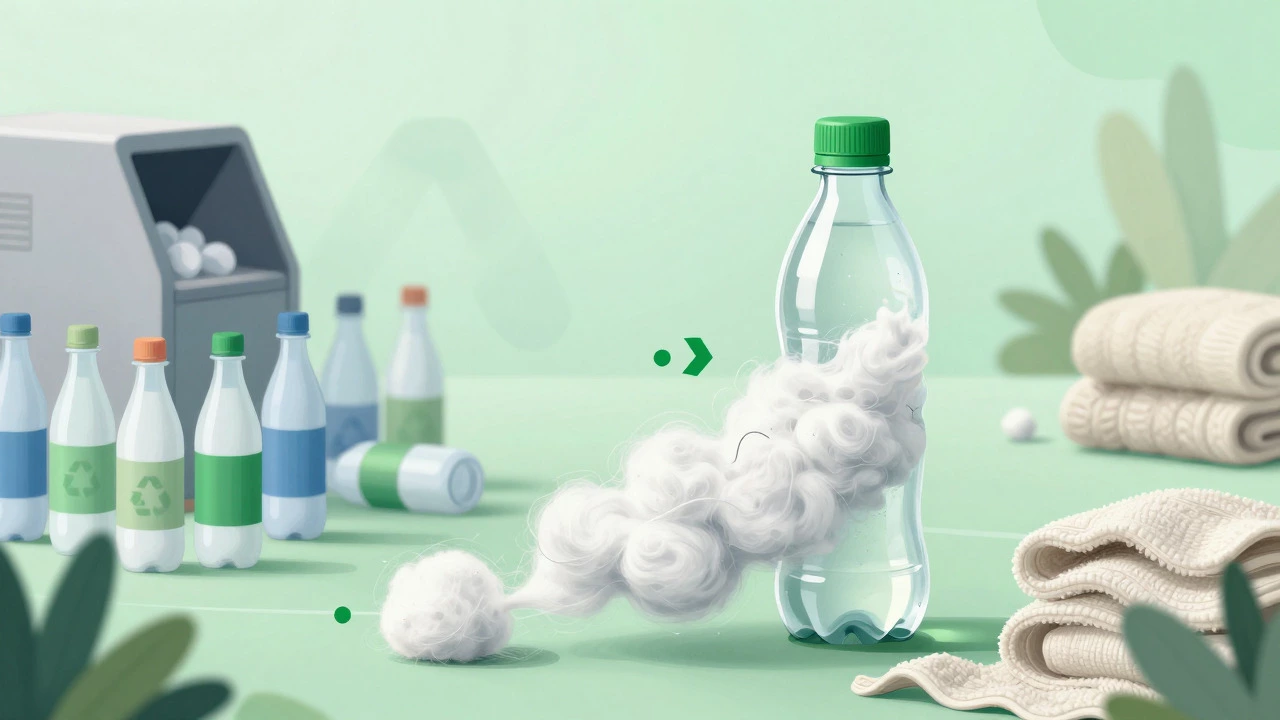
In the realm of chemical manufacturing, recycled PET (rPET) is transformed into flakes or pellets. These raw materials are then used to create new products. Interestingly, not all rPET goes back into food bottles due to strict hygiene regulations. Often, it is downcycled into polyester fibers for clothing, carpeting, or industrial strapping. This circular economy aspect is vital for reducing reliance on virgin petroleum-based plastics. Manufacturers are increasingly investing in advanced sorting technologies, such as near-infrared spectroscopy, to separate PET from other resins more effectively.
- Collection: Consumers deposit PET bottles in curbside bins.
- Sorting: Facilities use optical scanners to identify PET by its chemical signature.
- Processing: Bottles are shredded, washed, and melted into pellets.
- Remanufacturing: Pellets are extruded into new fibers or containers.
Manufacturing Considerations for PET Producers
If you are looking into starting a business involving plastic manufacturing business ideas, understanding the supply chain of PET is essential. The cost of raw PET resin fluctuates with oil prices, making it sensitive to global energy markets. For small-scale producers, buying pre-made PET sheets or preforms (the test-tube-like shapes blown into bottles) is often more economical than processing raw resin.
Injection stretch blow molding (ISBM) is the dominant method for producing PET bottles. This process involves two steps: first, injecting molten PET into a mold to form a preform, and second, heating and blowing that preform into the final bottle shape. This technique aligns the polymer molecules, enhancing the bottle's strength and clarity. For entrepreneurs, the initial capital expenditure for ISBM machinery can be significant, but the speed of production-often hundreds of bottles per minute-offers a strong return on investment for high-volume clients.
Environmental Impact and Future Trends
Despite its recyclability, PET remains a fossil-fuel-derived product. The environmental footprint includes greenhouse gas emissions during extraction and processing. In 2026, the industry is seeing a shift toward bio-based PET, where some of the terephthalic acid is derived from plant sources rather than petroleum. While still a minority of the market, bio-PET offers a pathway to reduce carbon intensity without changing existing manufacturing infrastructure.
Another trend is the push for mono-material packaging. Many current packages combine PET with other layers (like aluminum or different plastics) to enhance barriers, which makes recycling nearly impossible. Innovations in coating technologies aim to maintain barrier properties while keeping the package 100% PET, thus simplifying the recycling stream. For consumers, this means looking beyond the #1 symbol to ensure the entire package is compatible with local recycling facilities.
Practical Tips for Handling Plastic #1
To maximize safety and environmental benefit, follow these guidelines when dealing with PET containers:
- Don’t Reuse: Treat water bottles as disposable. Once emptied, recycle them.
- Avoid Heat: Never put PET in the microwave or dishwasher. Do not leave it in a hot car.
- Rinse Before Recycling: Remove liquid residue to prevent contamination of other recyclables.
- Check Local Rules: Some municipalities accept caps, others do not. Follow local guidelines to ensure proper processing.
- Look for rPET Content: Support brands using recycled content to drive demand for the secondary market.
Can I reuse a plastic bottle with a number 1 on it?
Technically yes, but it is not recommended. PET plastic degrades over time with exposure to heat and washing, potentially releasing chemicals and harboring bacteria in microscopic cracks. Health organizations advise using PET bottles for single-use only and recycling them afterward.
Does plastic number 1 contain BPA?
No, PET (Polyethylene Terephthalate) does not contain Bisphenol A (BPA). BPA is typically found in polycarbonate plastics (often marked with #7) and epoxy resins. PET is considered BPA-free and safe for food contact under normal conditions.
What happens to plastic #1 after it is recycled?
Recycled PET (rPET) is often turned into polyester fibers for clothing, fleece jackets, and carpets. It can also be processed into non-food packaging, strapping bands, or sheeting for blister packs. Due to stringent food safety regulations, less rPET is returned to food-grade bottles, though this is improving with advanced cleaning technologies.
Why is PET plastic so clear?
The molecular structure of PET allows light to pass through it easily, resulting in high transparency. During the manufacturing process, specifically biaxial orientation, the polymer chains are aligned, which enhances both clarity and strength, making it ideal for visible packaging.
Is it safe to drink from a PET bottle that has been left in a hot car?
It is best to avoid it. High temperatures can cause PET to warp and potentially leach trace amounts of antimony or acetaldehyde into the water. While acute toxicity is unlikely, the taste may change, and the structural integrity of the bottle is compromised. Discard and recycle if exposed to prolonged heat.