Surat Shopping Savings Calculator
Surat offers significant discounts on textiles (up to 60%) and diamonds (up to 40%) compared to standard retail markets. Use this tool to estimate your total cost and potential savings based on current market averages.
Textiles & Fabric
Diamonds
Why Surat Is the Ultimate Shopping Destination
If you think of Surat, Gujarat, as just another industrial city on the map, you are missing out on one of the most vibrant commercial hubs in India. Known globally as the "Silk City" and the "Diamond City," Surat produces a staggering volume of goods that end up in closets and jewelry boxes across the planet. For anyone visiting or sourcing from this region, the question isn't whether there is something good to buy-it's how to navigate the sheer variety without getting overwhelmed.
The city’s economy is driven by four main pillars: textiles, diamonds, petrochemicals, and food processing. While petrochemicals are great for industry, they aren’t exactly souvenir material. However, the other three sectors offer incredible value for travelers, resellers, and bulk buyers alike. Whether you are looking for high-quality fabric at wholesale prices, investment-grade stones, or unique culinary treats, Surat delivers on all fronts.
Key Takeaways
- Textiles: Surat accounts for over 70% of India’s synthetic fabric production, making it the cheapest place to buy sarees, suits, and raw cloth.
- Diamonds: The city polishes 90% of the world’s diamonds, offering direct access to cut and polished stones at factory prices.
- Food: Don’t leave without trying local specialties like Locho, Undhiyu, and handmade Khakhra.
- Where to Shop: Key markets include Ring Road, Varachha Road, and specialized diamond bourses.
The Silk and Synthetic Revolution: Buying Textiles
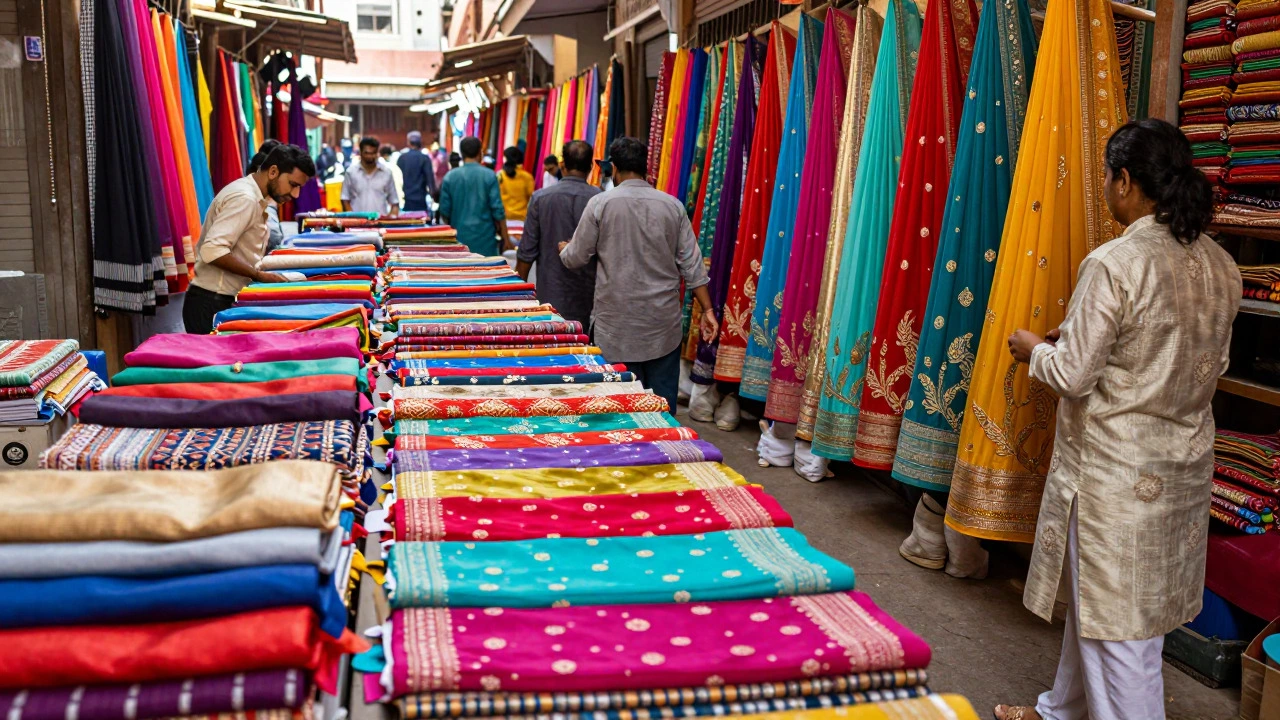
When people ask what is best to buy from Surat, the answer is almost always fabric. This city transformed the global fashion landscape by mastering the art of synthetic textiles. Unlike traditional cotton hubs, Surat specializes in polyester, nylon, and silk blends. This shift allows for brighter colors, faster drying times, and significantly lower costs compared to natural fibers.
You can find everything here. We are talking about millions of meters of material daily. If you need bridal wear, Surat has intricate Banarasi-style silk sarees that mimic the look of handloom but come at a fraction of the price due to advanced power loom technology. For everyday wear, the city is famous for its printed cottons and georgette fabrics. These materials are lightweight, durable, and available in endless patterns.
For those who want ready-to-wear items, the options are equally vast. Designer suits, embroidered lehengas, and casual kurtas are produced in massive quantities. The key advantage of buying here is the ability to customize. Many shops allow you to pick the fabric and then tailor the garment on the spot, often within hours. This level of service is rare in other parts of India.
Top Textile Markets to Visit
- Ring Road: This is the heart of Surat’s textile trade. It houses hundreds of showrooms ranging from budget-friendly stalls to high-end boutiques. You can negotiate heavily here, especially if buying in bulk.
- Varachha Road: Known for more contemporary designs and higher-quality finishes. This area is better suited for those looking for premium bridal wear and designer collections.
- Piplod: A hub for wholesale traders. If you are starting a clothing business, this is where you go to get the lowest possible rates per meter.
The Diamond District: Sourcing Stones Directly
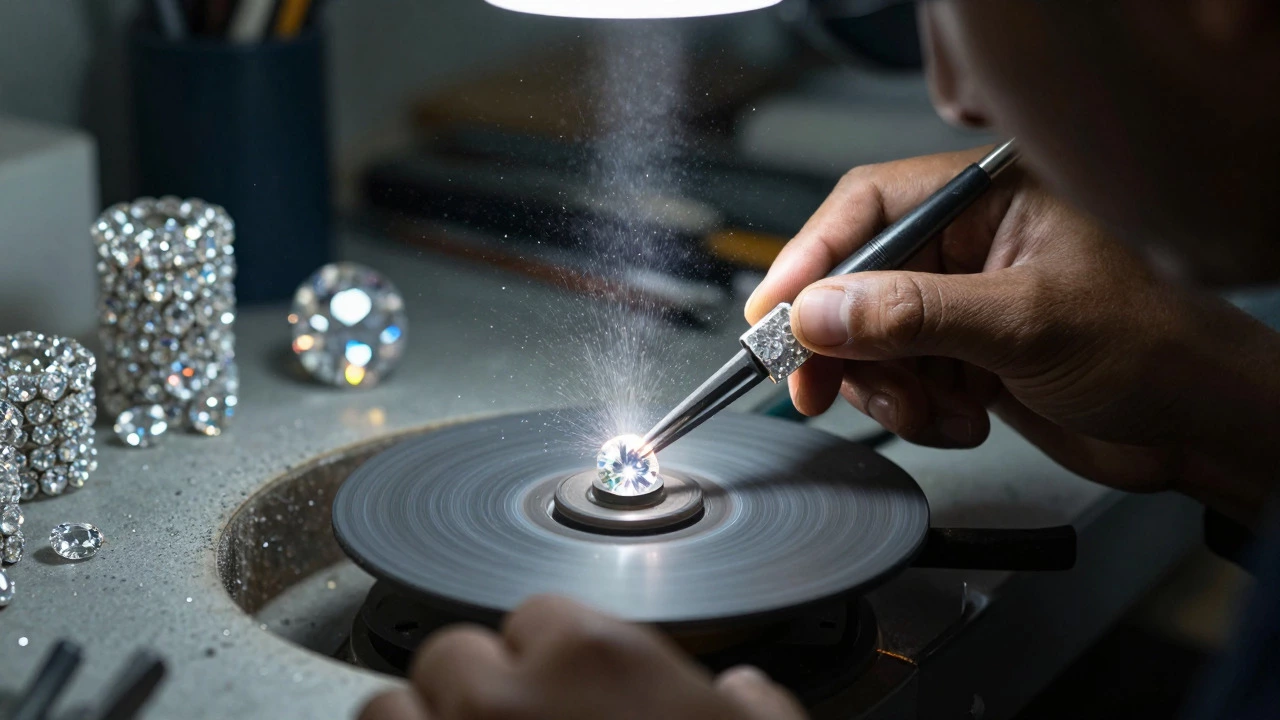
While textiles draw the crowds, diamonds draw the investors. Surat is home to the largest concentration of diamond polishers in the world. According to industry data, approximately 90% of the world’s diamonds by number (though not necessarily by carat weight) are cut and polished in this city. This dominance means that prices here are among the most competitive globally.
Buying diamonds in Surat requires a different approach than buying clothes. It is less about browsing shelves and more about connecting with trusted dealers. The city hosts several major diamond bourses, which are exclusive trading centers where only licensed members can operate. For serious buyers, these bourses offer transparency and security that street-side shops cannot match.
You don’t have to be a billionaire to buy here. Surat handles everything from small melee stones used in pave settings to large, flawless solitaires. If you are interested in jewelry making, you can purchase loose stones directly from the source, saving significant markup costs associated with retail brands. Just ensure you verify the dealer’s credentials and ask for certification from recognized labs like GIA or IGI before finalizing any deal.
Understanding the Diamond Trade
The trade operates on trust and relationships. Prices fluctuate based on global demand, stone quality (the 4 Cs: Cut, Color, Clarity, Carat), and current market trends. Local experts suggest visiting during non-peak seasons when dealers might be more willing to negotiate. Also, remember that while Surat offers great prices, the real value lies in the craftsmanship. The precision of Surat’s polishing techniques is unmatched, ensuring that even modest stones sparkle brilliantly.
Culinary Treasures: What to Eat and Pack
No trip to Surat is complete without indulging in its rich culinary heritage. The city’s food scene reflects its diverse history, blending Gujarati vegetarian traditions with influences from Persian and Mughal cuisines. While you can’t pack a hot meal easily, there are several dry and semi-dry foods that make excellent gifts or personal treats.
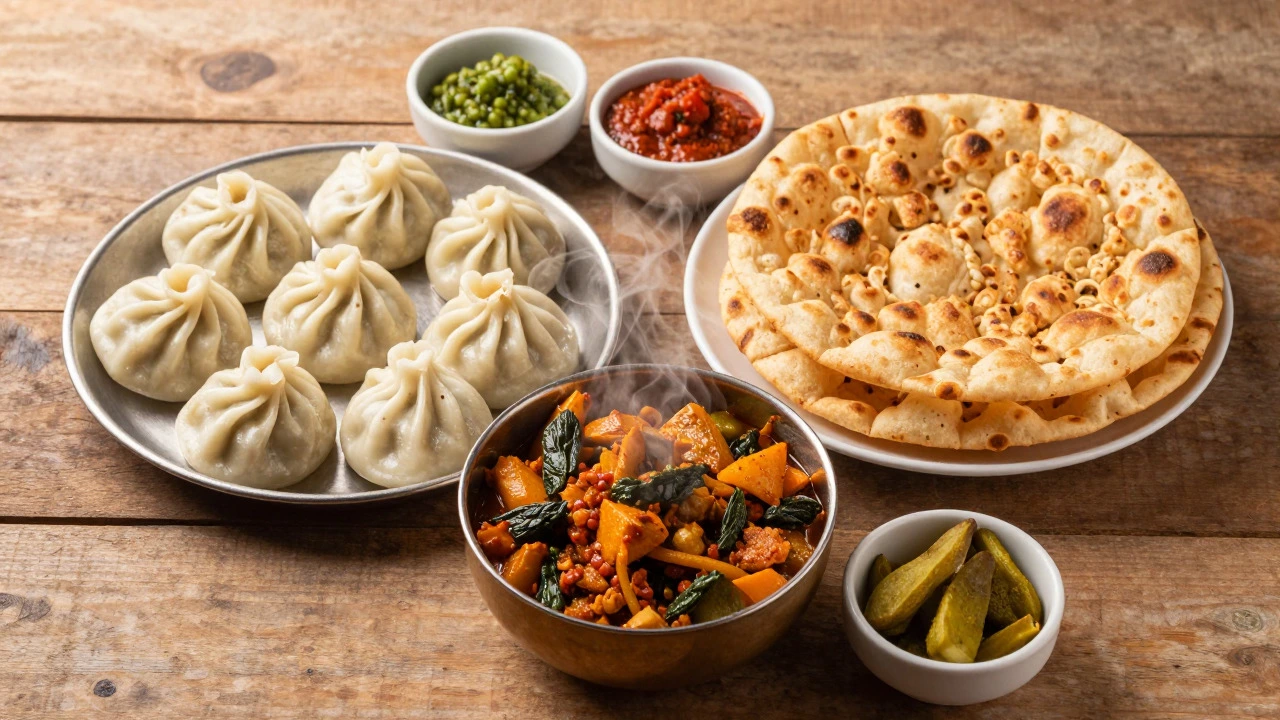
First on the list is Locho. These are soft, steamed dumplings made from rice flour batter, stuffed with spiced potatoes or paneer. They are best eaten fresh but can be transported if kept warm. Another must-try is Undhiyu, a mixed vegetable dish that is particularly popular in winter. While traditionally served hot, pre-packaged versions of the spice mix and dried ingredients are available for those who want to recreate the dish at home.
For longer-lasting souvenirs, look for Khakhra. These are thin, crispy flatbreads made from wheat or gram flour, flavored with various spices. Surat produces some of the finest khakhra in India, known for their crunch and authentic taste. Brands like Shreeji Khakhra are household names and widely available. Additionally, don’t miss out on Jalebi and Fafda, which are iconic breakfast items. Some specialty stores package these in vacuum-sealed containers to preserve freshness for travel.
Local Sweet Shops to Explore
- Gopal Ji: Famous for its milk-based sweets like Rasgulla and Gulab Jamun.
- Patel Farsan: The go-to place for assorted namkeen (savory snacks) and khakhra.
- Local Street Vendors: For the most authentic experience, try Locho from street stalls near Adajan Lake.
Handicrafts and Other Unique Finds
Beyond textiles and diamonds, Surat has a growing reputation for handicrafts. The city’s artisans create beautiful items using local materials. One notable example is Bandhani work, although this is more common in neighboring regions, Surat’s weavers incorporate similar tie-dye techniques into their synthetic fabrics. This results in unique, colorful patterns that are distinct from traditional cotton Bandhani.
Another emerging category is eco-friendly products. With the rise in environmental awareness, many Surat-based manufacturers are producing bags, accessories, and home decor items from recycled textile waste. These products are not only sustainable but also stylish, making them perfect for conscious consumers. You can find these items in smaller boutique stores scattered around the Ring Road area.
Tips for Smart Shopping in Surat
To get the best deals, timing and negotiation skills are crucial. Here are some practical tips to keep in mind:
- Visit Early: Markets open early in the morning. Visiting between 8 AM and 10 AM ensures you see the full stock before popular items sell out.
- Negotiate Hard: In textile markets, prices are rarely fixed. Start by offering 30-40% less than the quoted price and work your way up. Bulk buyers should expect even deeper discounts.
- Check Quality: For textiles, feel the fabric for thickness and check the stitching. For diamonds, always insist on lab certificates. Never buy sight-unseen unless you have a long-standing relationship with the seller.
- Use Local Guides: If you are unfamiliar with the area, hiring a local guide can save time and help you avoid tourist traps. They know which shops offer genuine wholesale rates.
- Plan Logistics: Surat is well-connected by rail and air. Ensure you have enough space in your luggage for bulky items like sarees and fabrics. Many shops offer courier services for heavy purchases.
Conclusion: Why Your Next Trip Should Include Surat
Surat is more than just an industrial powerhouse; it is a shopper’s paradise. From the dazzling array of textiles that define Indian fashion to the sparkling diamonds that adorn the world’s elite, the city offers unparalleled value and variety. Add to this the delicious local cuisine and growing range of handicrafts, and you have a destination that caters to every type of buyer.
Whether you are a retailer looking for stock, a traveler seeking souvenirs, or an investor eyeing precious stones, Surat has something for you. The key is to do your homework, visit the right markets, and negotiate wisely. By doing so, you’ll walk away with treasures that are both beautiful and budget-friendly.
Is Surat safe for tourists?
Yes, Surat is generally considered very safe for tourists. The city has low crime rates and locals are known for being hospitable. Standard precautions like keeping valuables secure and avoiding isolated areas at night apply, as they would in any major city.
Can foreigners buy diamonds in Surat?
Absolutely. Foreigners can buy diamonds in Surat, but they must comply with export regulations. You will need to provide documentation such as your passport and visa details. Most reputable dealers handle the necessary paperwork for exporting gems, including issuing invoices that meet customs requirements.
What is the best time to visit Surat for shopping?
The best time to visit is between October and March when the weather is pleasant. Avoid the monsoon season (June to September) as heavy rains can disrupt travel and market operations. Additionally, visiting during off-peak periods like weekdays can lead to better negotiations as dealers may be eager to close sales.
Are there English-speaking vendors in Surat markets?
In major markets like Ring Road and Varachha Road, many vendors speak basic English, especially those dealing with international clients. However, learning a few phrases in Gujarati or Hindi can enhance your experience and help with bargaining. In diamond bourses, staff are typically fluent in English due to the global nature of the trade.
How do I transport large textile purchases from Surat?
Most textile shops offer packaging and courier services. For domestic travel, you can use reliable logistics companies that specialize in fabric transport. For international shipments, dealers often partner with freight forwarders who handle customs clearance and delivery. Always insure high-value purchases during transit.