
Vehicle Fitness & Scrappage Eligibility Checker
Enter Vehicle Details
Status & Recommendations
Enter your details to see your vehicle's regulatory status.
You bought that sedan ten years ago. It still runs, but every time you drive through a major city checkpoint, you feel that familiar knot of anxiety. Will they flag it? Is it legal to keep driving? In India, there is no single, hard-coded law that says "your car dies at 15." Instead, there is a complex web of regulations known collectively as the **vehicle scrappage policy** and fitness norms. Understanding this isn't just about avoiding fines; it’s about knowing when your asset becomes a liability.
Many drivers confuse age with legality. A 15-year-old car can be perfectly legal if it passes its fitness test. Conversely, a 10-year-old truck might be banned from city centers due to emission zones. The real story here isn't just about the calendar; it's about the condition of the machine and the environment it operates in. Let’s break down what actually happens to your vehicle as it ages in the Indian regulatory landscape.
The Myth of the Automatic Ban
First, let’s clear up the biggest misconception: there is no automatic deletion of your registration number simply because your car turned 15. If you own a private passenger vehicle-like a hatchback, sedan, or SUV-you do not face an immediate ban upon hitting the 15-year mark. However, the process does get significantly harder.
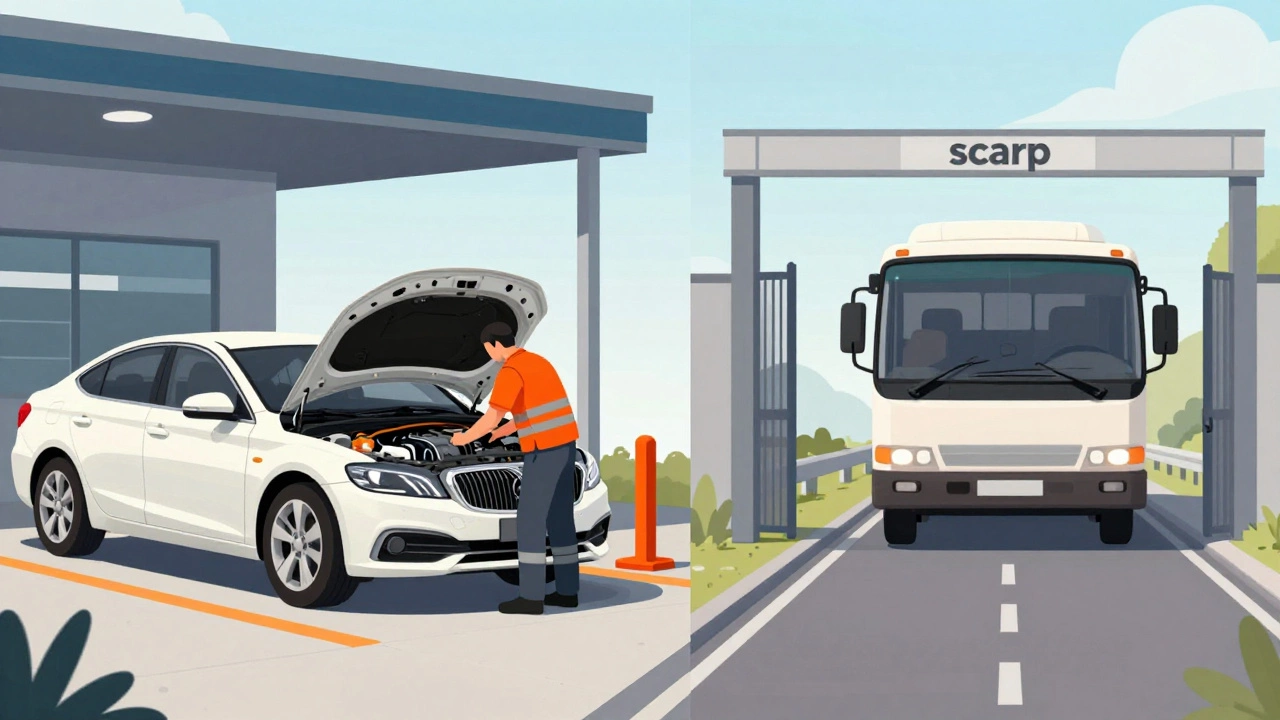
Under the Motor Vehicles Act, private vehicles older than 15 years must undergo a mandatory fitness test at the Regional Transport Office (RTO). This isn't a rubber-stamp procedure. The inspector checks brakes, lights, suspension, emissions, and overall structural integrity. If your car fails, you have a specific window to fix the issues and re-test. If it fails again, or if you cannot meet the repair standards, the RTO cancels your registration. At that point, driving the car is illegal, and you face heavy penalties.
This system shifts the burden from the government deciding when a car is "too old" to the owner proving it is still "safe enough." For many enthusiasts who maintain their classic cars meticulously, this is fair. For those who neglect maintenance, it becomes a bureaucratic nightmare.
Commercial vs. Private: Different Rules Apply
The rules change drastically depending on whether you are driving for pleasure or for profit. Commercial vehicles operate under much stricter timelines because they log far higher mileage and endure more stress.
| Vehicle Type | Mandatory Retirement Age | Fitness Test Frequency |
|---|---|---|
| Private Passenger Cars | No fixed limit (Fitness test after 15 years) | Every 2 years after 15 years |
| Taxis / Cabs | 8-10 years (varies by state/city) | Annually |
| Buses | 15 years | Annually |
| Goods Carriers (Trucks) | 15 years | Annually |
Notice the difference? A taxi used in metro cities like Delhi or Mumbai often has a lifespan capped at 8 to 10 years. After that, it cannot renew its commercial permit. Many owners then convert these cabs into private vehicles, but even then, they face intense scrutiny during fitness tests because their mechanical wear is high. Buses and trucks hit a hard stop at 15 years. They cannot be renewed. They must be scrapped. This distinction is crucial for anyone investing in fleet management or considering buying a used commercial vehicle.
The National Vehicle Scrappage Policy
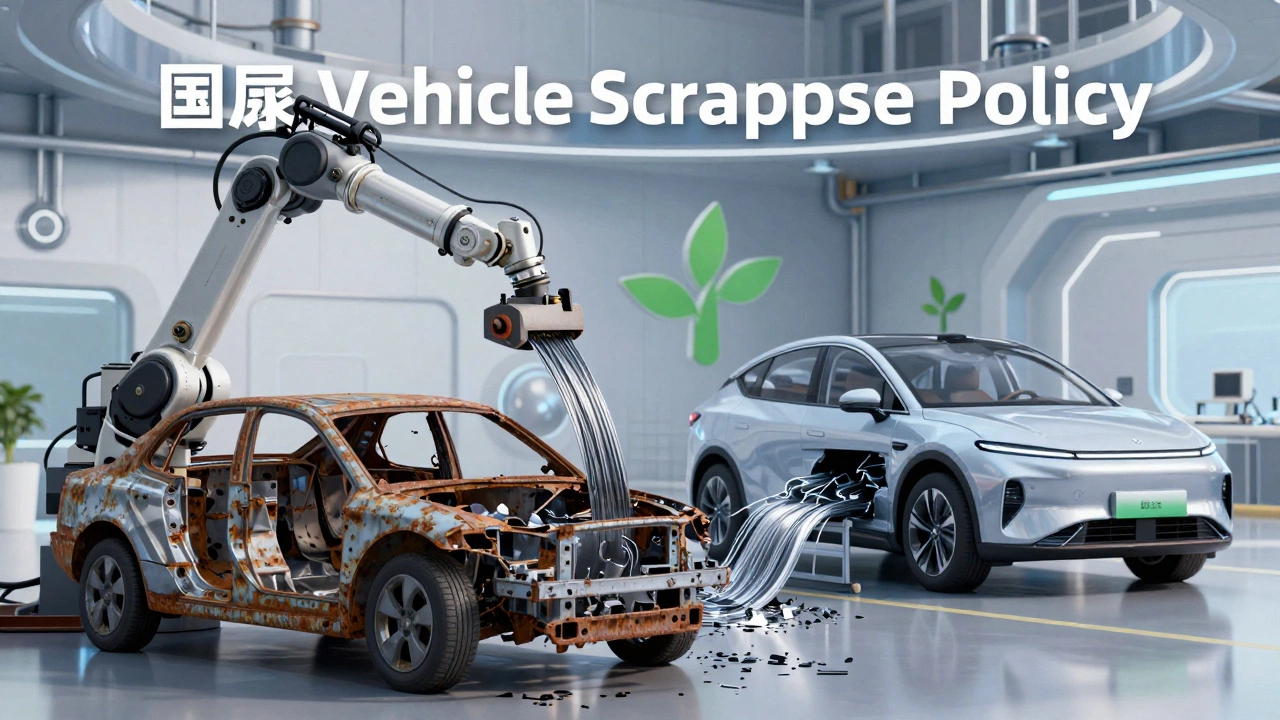
In 2021, the Indian government introduced the National Vehicle Scrappage Policy. This wasn't just about cleaning up junkyards; it was a strategic move to reduce pollution and boost the automobile manufacturing sector. The policy aims to phase out old, polluting vehicles systematically.
National Vehicle Scrappage Policy is a framework designed to remove unfit vehicles from roads by incentivizing owners to scrap them and purchase new ones. It works through authorized facilities called Authorised Vehicle Scrapping Facilities (AVSFs).Here is how it impacts you directly:
- Voluntary Scrapping Incentives: If you voluntarily scrap a vehicle older than 15 years, you may receive a discount on road tax and registration fees when you buy a new vehicle. This varies by state but can save you thousands of rupees.
- Mandatory Scrapping for Unfit Vehicles: If your vehicle fails the fitness test twice, it must be sent to an AVSF. You will receive a Certificate of Destruction. Without this certificate, you cannot legally sell the car as a running vehicle, nor can you register a new one in your name in some states.
- Environmental Zones: Cities like Delhi have introduced Graded Response Action Plan (GRAP) measures. During severe pollution episodes, vehicles older than 10 or 15 years may be completely banned from entering the city limits, regardless of their fitness status.
This policy creates a circular economy. Old steel and parts are recycled, reducing the carbon footprint of new car production. For the average driver, it means holding onto a 20-year-old Maruti or Hyundai becomes increasingly expensive and risky.
How the Fitness Test Actually Works
If you are approaching the 15-year mark, don’t wait until the last minute. The fitness test is rigorous. Here is what inspectors look for:
- Emissions: Your car must meet Bharat Stage VI (BS-VI) norms where applicable, or at least stay within permissible limits for its engine type. Older engines struggle here.
- Braking System: Brake efficiency is tested on a dynamometer. Worn pads or leaking lines mean instant failure.
- Chassis and Body: Rust is the enemy. If the chassis has significant corrosion or cracks, the vehicle is deemed unsafe and rejected immediately.
- Lighting and Electricals: All headlights, indicators, and brake lights must function correctly. Dim bulbs are often replaced on the spot.
- Horn and Windshield Wipers: These seem minor, but they are safety-critical. A silent horn or broken wiper motor can lead to rejection.
Pro tip: Get a pre-checkup at a trusted mechanic before going to the RTO. Fixing a small issue like a cracked windshield washer nozzle is cheap. Failing the test and having to pay for towing and re-testing fees is not.
Financial Implications of Keeping an Old Car
It’s not just about legality; it’s about economics. As your car ages past 15 years, three financial drains kick in:
Insurance Premiums Spike: Most comprehensive insurance policies become difficult to obtain for cars over 15 years old. Many insurers only offer "Third-Party Only" coverage, which leaves your own car unprotected against theft or accidents. When premiums do exist, they are often higher relative to the car’s depreciated value.
Maintenance Costs Rise: Parts for older models become scarce. If your 2010 model needs a specific sensor or body panel, you might have to import it or fabricate it, costing double the original price. Labor costs also rise because fewer mechanics specialize in aging electronics.
Resale Value Hits Zero: Once a car passes 15 years and requires a fitness certificate, its resale value plummets. Buyers are wary of the hassle. You are essentially paying to keep an asset that has no market value.
What Happens If You Drive an Illegal Old Vehicle?
If your registration is canceled or you fail the fitness test and continue driving, the consequences are severe. Traffic police can confiscate your vehicle on the spot. You will face a fine, which can range from ₹1,000 to ₹5,000 depending on the severity and local laws. In repeated cases, imprisonment is possible under the Motor Vehicles Act.
Moreover, if you are involved in an accident while driving an unfitness-certified vehicle, your insurance claim will be denied entirely. You will be personally liable for all damages and medical bills. This risk alone makes compliance non-negotiable.
Next Steps for Owners of Aging Vehicles
If your car is nearing 15 years, take action now. First, check your current fitness status on the Parivahan Sewa website. Second, schedule a thorough mechanical inspection. Third, calculate the cost of repairs versus the cost of a new entry-level EV or petrol car. With subsidies and lower running costs, new vehicles are becoming more accessible. Finally, if you decide to part ways, locate the nearest Authorised Vehicle Scrapping Facility. Do not sell to unauthorized scrap dealers; you need the official destruction certificate to close the loop legally.
Is it illegal to drive a 15-year-old car in India?
No, it is not automatically illegal. However, private vehicles older than 15 years must pass a mandatory fitness test at the RTO. If the vehicle passes, you can continue driving it legally. If it fails, you must repair it and re-test. Failure to comply makes driving illegal.
Do I need to scrap my car after 15 years?
Only if it fails the fitness test twice or is deemed structurally unsafe. Commercial vehicles like buses and trucks must be scrapped at 15 years. Private cars can be kept indefinitely as long as they pass annual or biennial fitness inspections.
Where can I find an Authorized Vehicle Scrapping Facility (AVSF)?
You can find a list of approved AVSFs on the Ministry of Road Transport and Highways (MoRTH) website or the Parivahan Sewa portal. Ensure the facility is certified to issue a valid Certificate of Destruction.
Are there incentives for scrapping old vehicles?
Yes, under the National Vehicle Scrappage Policy, voluntary scrapping of vehicles older than 15 years may entitle you to discounts on road tax and registration fees when purchasing a new vehicle. Check with your state transport department for specific rates.
Can I transfer ownership of a 15-year-old car?
Yes, but the new owner will inherit the requirement for frequent fitness tests. Many buyers avoid such vehicles due to the hassle and potential costs, making resale difficult. Always disclose the vehicle's age and fitness status transparently.