Handmade Business Profitability Calculator
Select a product category to see average market data, then adjust the inputs to estimate your potential profitability.
Jewelry
High VolumeLow material cost, high competition. Best for volume sellers.
Personalized Gifts
High MarginPremium pricing power. Emotional value drives sales.
Home Decor
TrendingHigher shipping costs. Aesthetic appeal is critical.
Paper Goods
UnderratedVery low overhead. Excellent hourly rates on designs.
Upcycled Clothing
SustainableStory-driven sales. High perceived value transformation.
Pro Tip
Don't forget to factor in platform fees (Etsy/Shopify) and payment processing costs when calculating final take-home profit.
Input Parameters
Profit Analysis Results
Ready to calculate?
Adjust the sliders or inputs on the left to begin.You’ve probably scrolled past hundreds of listings on Etsy or walked through a bustling local market, wondering what actually moves. In a world dominated by mass-produced goods from giant factories, there is still a massive hunger for things made with human hands. But if you are looking to start a side hustle or launch a full-blown small scale manufacturing venture, guessing isn't enough. You need data.
The short answer? It’s not one single item. However, jewelry consistently holds the crown as the highest-volume category for handmade sales globally. Specifically, simple, stackable rings and personalized necklaces dominate the charts. But volume doesn’t always equal profit. If you want to build a sustainable business in 2026, you need to look beyond just "what sells" to "what sells well."
Jewelry: The Undisputed King of Volume
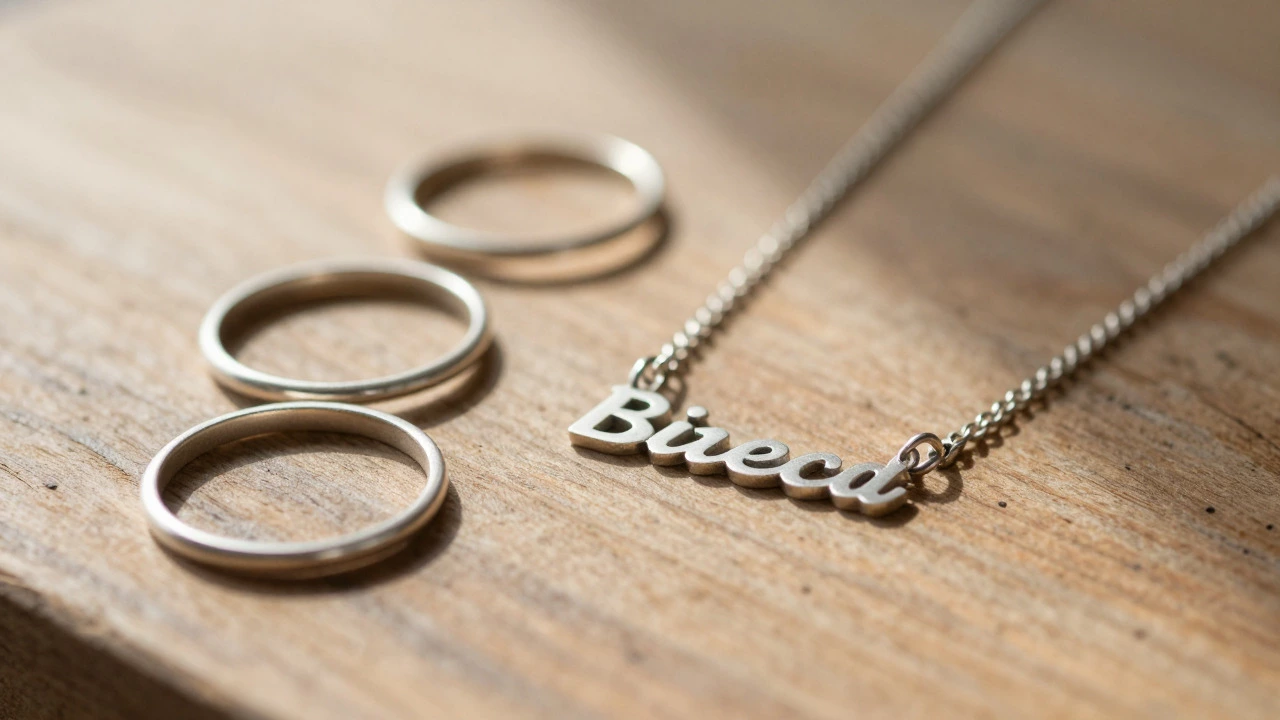
When we talk about the most sold handmade item, Jewelry is the heavyweight champion. According to recent marketplace reports, jewelry accounts for nearly 30% of all transactions on major craft platforms. Why? Because it has low material costs, easy shipping logistics, and high perceived value.
Within this category, two sub-types are crushing it:
- Minimalist Stackable Rings: These are often made from silver or gold-filled wire. They cost pennies to make but sell for $15-$30 each. People buy them in sets.
- Personalized Name Necklaces: Customization is the killer feature here. A generic necklace is a commodity; a necklace with your child’s name is a keepsake.
The barrier to entry is low, which means competition is fierce. To succeed here, you don’t just need to make pretty things; you need strong branding and excellent photography. If your photos look amateur, buyers will assume your craftsmanship is too.
Personalized Gifts: Where the Money Is
If jewelry wins on volume, Personalized Gifts win on margin. This is where the real opportunity lies for serious makers. People are willing to pay a premium for items that feel unique to them or their loved ones.
Think about what happens during holidays, birthdays, and weddings. Buyers aren't looking for a generic mug. They want a custom engraved wooden box or a personalized leather wallet. These items solve an emotional problem: showing someone you care.
In 2026, the trend is moving toward "quiet luxury" in personalization. Instead of loud, colorful fonts, customers prefer subtle, elegant engraving on high-quality materials like genuine leather, solid wood, or ceramic. If you have access to a laser engraver or a quality stamping kit, this is a lucrative niche.
Home Decor: The Post-Pandemic Hangover
The pandemic changed how people view their homes. We spent more time indoors, and we wanted our spaces to reflect our personalities. That desire hasn’t faded; it has evolved. Handmade Home Decor remains a top seller, but the style has shifted.
Currently, three types of home decor are flying off the shelves:
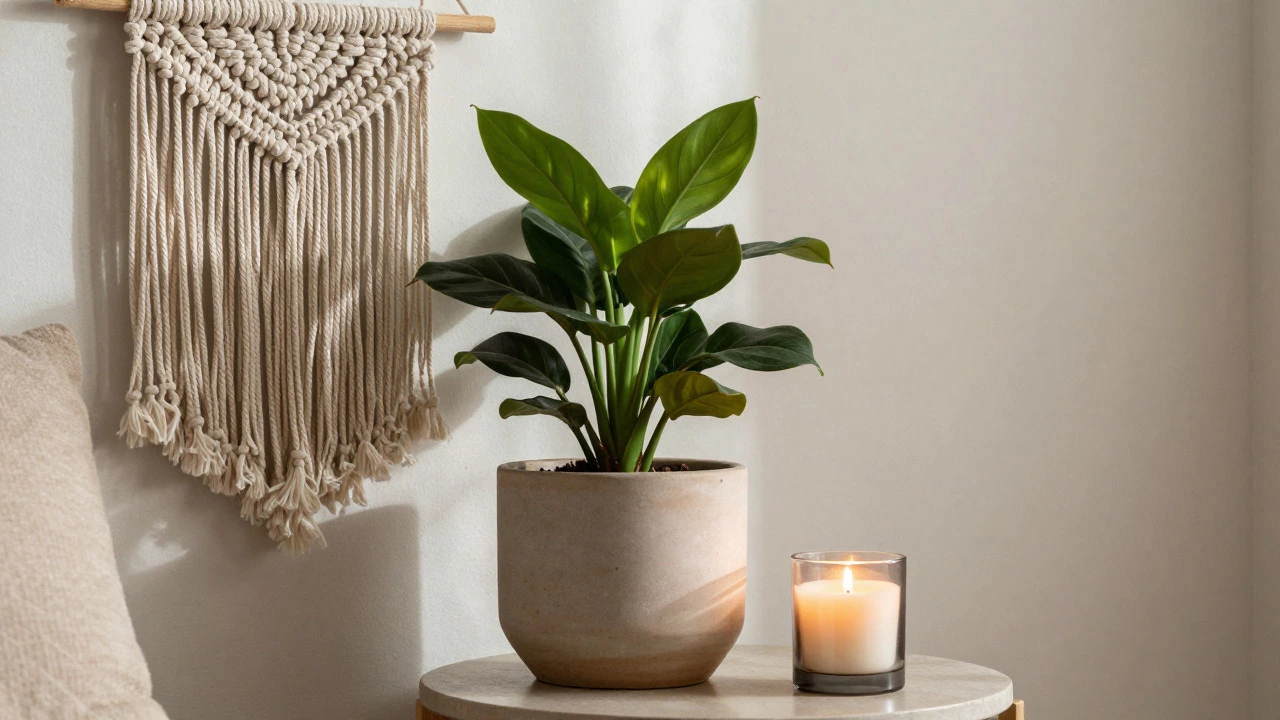
- Ceramic Planters and Vases: Earthy tones, organic shapes, and matte finishes are huge. People love buying plants, and they want pots that look artisanal, not plastic.
- Woven Wall Hangings: Macramé had its moment, but now it’s about textured, neutral-toned wall art. It’s cheap to ship (flat) and looks expensive when hung correctly.
- Scented Candles: Yes, candles are saturated. But *unique* candles are not. Think soy wax with unusual scents like "rain on hot pavement" or "old library books," packaged in reusable glass jars.
The key here is aesthetics. Your product needs to look good on Instagram and TikTok. If it doesn’t photograph well, it won’t sell online.
Paper Products and Stationery: The Underrated Cash Cow
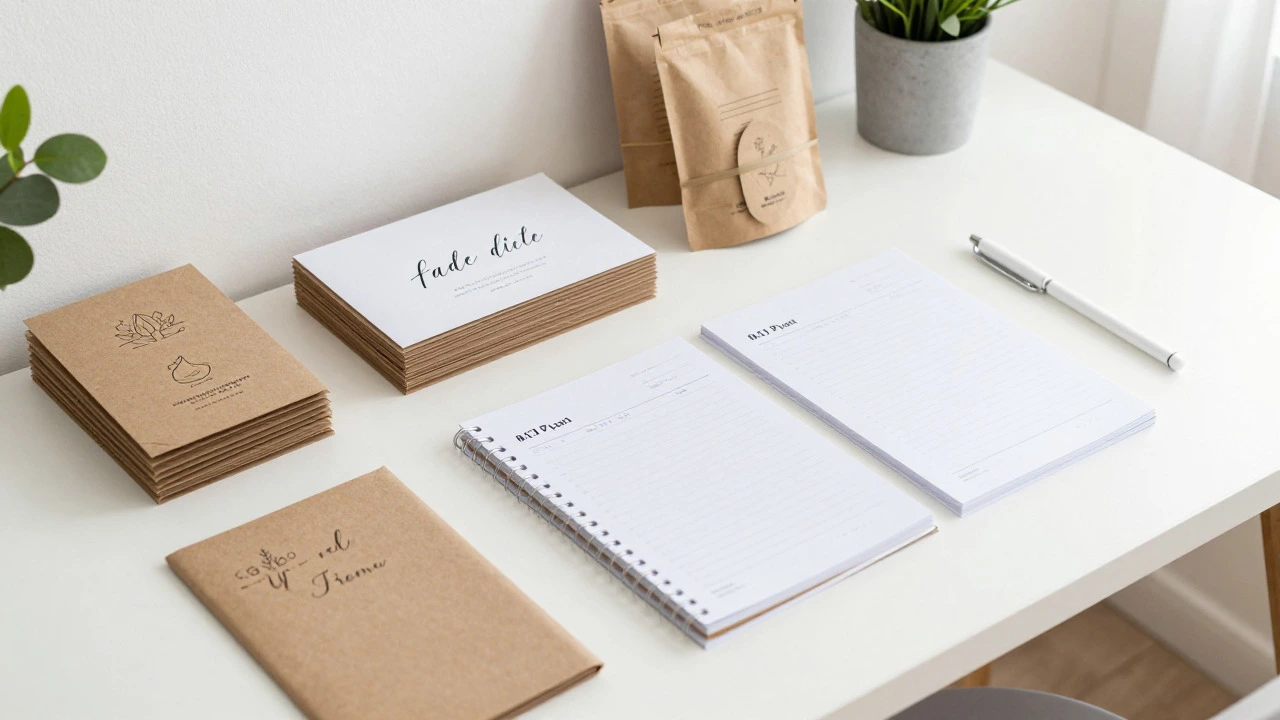
Don’t sleep on paper. While digital tools dominate work, there is a growing counter-movement valuing tactile experiences. Handmade Paper Goods are incredibly profitable because the overhead is minimal.
Wedding invitations, baby shower cards, and custom planners are evergreen sellers. A set of wedding invitations can sell for $100-$300, and while it takes time to design and print, the hourly rate is excellent. Plus, paper products have very low return rates compared to clothing or electronics.
In 2026, sustainability is non-negotiable. Buyers want recycled paper, soy-based inks, and plastic-free packaging. If you can position your stationery brand as eco-friendly, you tap into a loyal customer base that cares deeply about these values.
Vintage and Upcycled Clothing
Fashion is cyclical, and right now, uniqueness is king. Fast fashion is under fire for its environmental impact, leading many consumers to seek out Upcycled Clothing. This isn’t just about selling old clothes; it’s about transforming them.
Take a thrifted denim jacket and add hand-painted embroidery. Turn oversized men’s shirts into cropped tops. These items tell a story. Buyers are paying for the creativity and the sustainability angle. This sector requires a keen eye for vintage sourcing and basic sewing skills, but the margins can be 50% or higher.
| Category | Avg. Price Point | Competition Level | Shipping Difficulty | Profit Margin |
|---|---|---|---|---|
| Jewelry | $15 - $50 | Very High | Low (Small/Flat) | High (70%+) |
| Personalized Gifts | $30 - $100 | Medium | Medium | High (60%+) |
| Home Decor | $40 - $150 | High | High (Fragile/Bulky) | Medium (40-50%) |
| Paper Goods | $20 - $80 | Medium | Low (Flat) | Very High (80%+) |
| Upcycled Clothing | $50 - $200 | Low-Medium | Medium | High (60%+) |
Why "Most Sold" Can Be a Trap
Here’s the thing: just because something sells a lot doesn’t mean it’s right for you. Jewelry might be the top seller, but if you hate working with tiny wires and pliers, you’ll burn out in a month. The best handmade item to sell is the one that aligns with your skills, interests, and capacity.
Consider your own constraints. Do you have space for a kiln (ceramics)? Do you have a quiet corner for detailed beadwork? Do you enjoy graphic design (paper goods)? Start with what you already know, then iterate based on customer feedback.
Marketing Your Handmade Items in 2026
Making the item is only half the battle. Getting it seen is the other half. In 2026, social commerce is dominant. Platforms like TikTok Shop and Instagram Reels allow you to show the making process directly to potential buyers.
People love seeing the "behind the scenes." Show the mess. Show the mistakes. Show the packaging process. Authenticity builds trust. When a buyer sees the hours you put into a piece, they are more likely to justify the price tag.
Email marketing is also making a comeback. Social media algorithms change constantly, but your email list is yours. Offer a discount for first-time subscribers and keep them updated on new drops. This creates a loyal community rather than just one-off transactions.
Scaling Your Handmade Business
Eventually, you might hit a ceiling where you can’t make enough items alone. This is where small scale manufacturing comes in. You don’t need a factory. You might hire a local assistant, outsource specific steps (like printing), or use dropshipping partners for blank items.
Many successful handmade brands start solo and gradually bring in help. The key is to maintain quality control. If you outsource, visit the workshop. Check the samples. Your reputation depends on consistency.
Another scaling strategy is creating digital products. If you sell knitting patterns, you can sell the physical scarf AND the PDF pattern. The pattern has zero shipping costs and infinite inventory. It’s pure profit after the initial creation time.
Final Thoughts on Choosing Your Niche
There is no magic bullet. The "most sold" item changes with seasons, trends, and economic conditions. However, focusing on personalization, sustainability, and aesthetic appeal will keep you relevant. Start small, test your ideas, and listen to your customers. They will tell you exactly what they want to buy next.
Is it still profitable to sell handmade jewelry in 2026?
Yes, jewelry remains one of the most profitable categories due to low material costs and high markup potential. However, competition is intense, so success depends on unique design, strong branding, and excellent photography. Personalized pieces tend to outsell generic ones.
What are the easiest handmade items to start with?
Paper goods like greeting cards and stickers are great for beginners because they require minimal equipment and have low startup costs. Scented candles and simple jewelry like friendship bracelets are also accessible entry points with clear tutorials available online.
How much can I charge for my handmade items?
A common formula is: (Cost of Materials + Labor Cost) x 2 = Wholesale Price. Wholesale Price x 2 = Retail Price. Ensure your labor cost reflects your desired hourly wage. Don't undervalue your time, especially if you offer customization.
Where should I sell my handmade products?
Etsy is the largest marketplace for handmade goods, offering built-in traffic. For higher margins and brand control, consider setting up your own Shopify store. Local markets and craft fairs are also excellent for testing products and building a local following.
Do handmade items need to be perfect to sell?
They don't need to be museum-perfect, but they must meet quality standards. Customers expect durability and finish appropriate for the price point. Minor imperfections can add character, especially in ceramics or woodwork, but structural flaws or poor stitching will lead to returns and bad reviews.
What is the best time of year to sell handmade gifts?
The fourth quarter (October-December) is peak season due to Christmas and holiday gifting. Valentine's Day, Mother's Day, and back-to-school periods are also significant spikes. Planning inventory months in advance is crucial to handle the surge without burning out.