Manufacturing Opportunity Finder
Select a product category below to analyze the viability of starting a manufacturing unit in this sector for 2026.
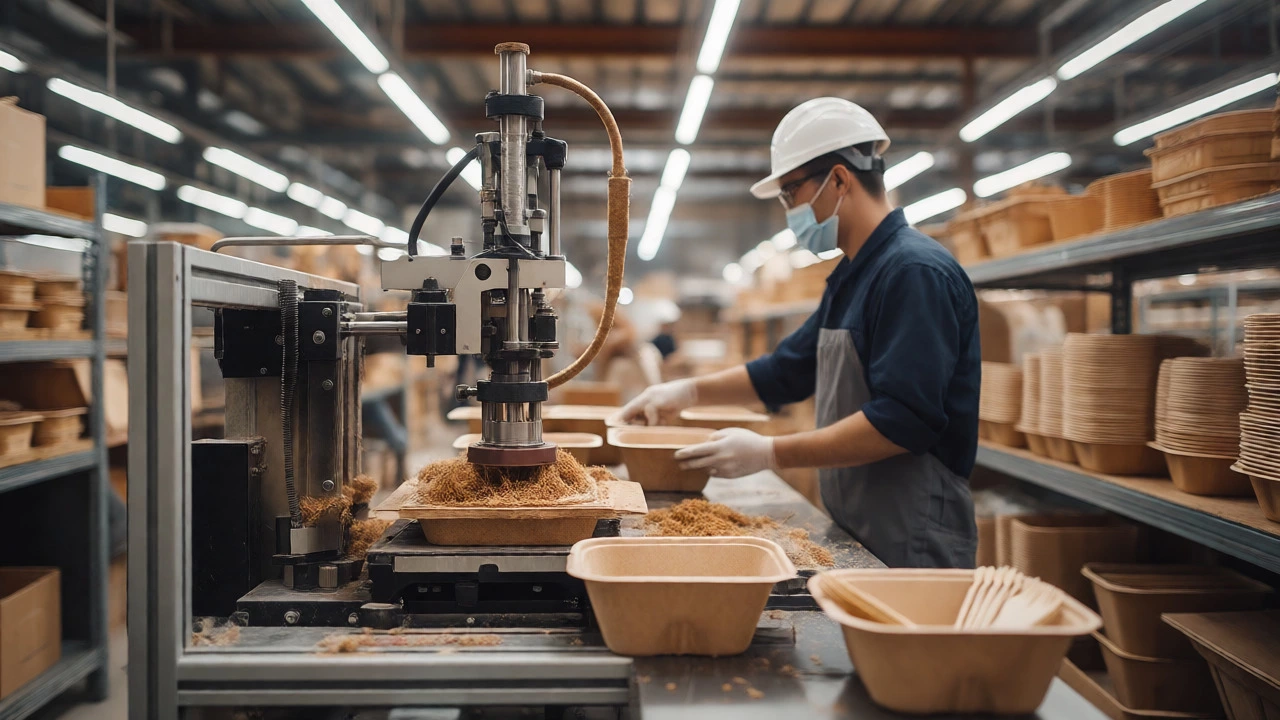
Sustainable Packaging
Biodegradable plates, cups, cutlery.
High Demand / RegulatedHealth Supplements
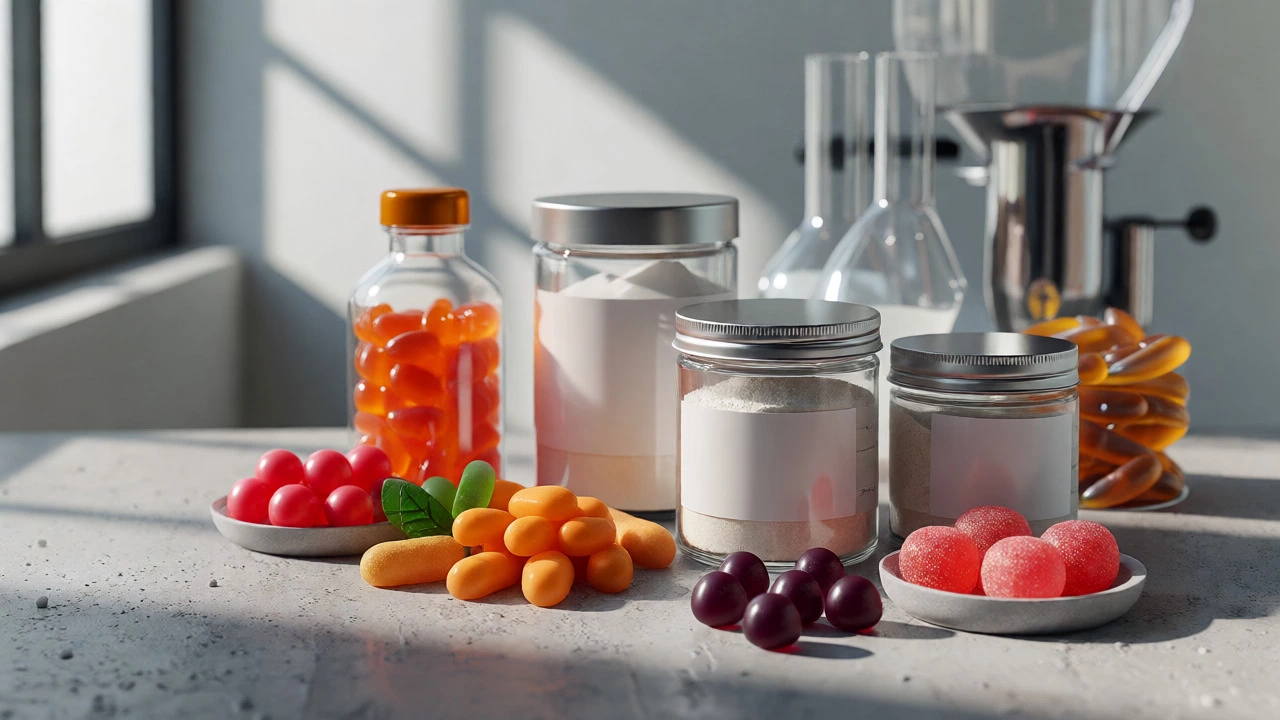
Gummies, powders, niche wellness.
High Margin / Complex ComplianceModular Furniture
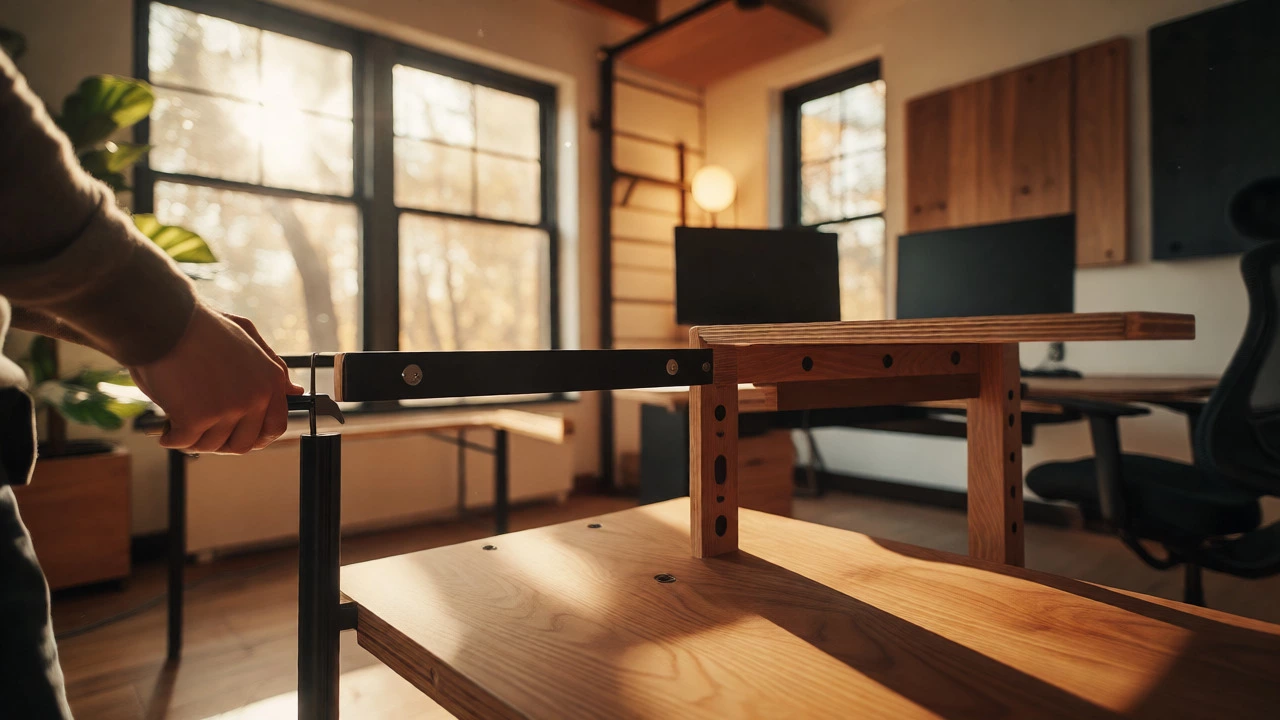
Flat-pack wooden components, CNC parts.
Moderate Entry / Logistics HeavyAnalysis Results
Key Insight
Select a product to see insights.
Recommended Next Steps
You have the workshop space. You have the machinery budget. Maybe you even have a few skilled operators ready to go. But do you know what to make? This is the question that kills more manufacturing startups than bad management or poor marketing ever will. You can build the perfect supply chain, but if nobody wants your product, you are just burning cash on inventory that sits on a shelf gathering dust.
So, what is actually selling right now? If you look at global trade data and local market shifts as of late 2025 and early 2026, one category stands out above the rest: sustainable packaging solutions. But wait, before you rush to buy a bioplastic extruder, understand that "demand" isn't just about volume. It's about margin, ease of entry, and regulatory tailwinds. While electronics and automotive parts dominate value, they require massive capital. For a startup, the sweet spot lies where high consumption meets low complexity.
The Short Answer: What’s Hot Right Now
Sustainable Packaging is currently the highest-demand product category for new manufacturers. Specifically, items made from biodegradable materials like bagasse, bamboo, and recycled paper pulp. Why? Because governments worldwide, including Australia and the EU, have banned single-use plastics. Restaurants, e-commerce giants, and grocery chains are desperate for alternatives. They need them yesterday, and they are willing to pay a premium for reliable suppliers who can deliver consistent quality.
But packaging isn't the only winner. Here is the quick breakdown of the top three contenders for a manufacturing startup in 2026:
- Eco-friendly Disposables: Plates, bowls, cutlery, and cups made from plant fibers.
- Niche Health Supplements: Gummies and powders targeting specific demographics (e.g., sleep aids for shift workers).
- Modular Furniture Components: Flat-pack wooden parts for the booming remote-work setup trend.
Why Sustainable Packaging Wins the Startup Game
Let’s be real. Starting an electronics company means competing with Apple and Samsung. Starting a car brand means fighting Toyota. But starting a packaging line? You are competing with other local workshops. The barrier to entry is lower, and the customer base is fragmented. You don’t need to win the whole world; you just need to win ten local restaurant chains and two regional e-commerce brands.
The demand driver here is regulatory pressure. In many jurisdictions, fines for using non-compliant plastic are skyrocketing. Businesses aren't buying eco-packaging because it feels good; they are buying it to avoid penalties. That creates sticky, recurring revenue. Once a café switches to your compostable cups, they rarely switch back unless you mess up delivery times or quality.
Consider the attributes of this entity:
| Attribute | Sustainable Packaging | Traditional Plastic |
|---|---|---|
| Regulatory Risk | Low (Subsidized) | High (Taxed/Banned) |
| Production Complexity | Moderate | Low |
| Gross Margin Potential | 30-45% | 10-15% |
| Customer Loyalty | High (Compliance-driven) | Low (Price-driven) |
This table shows why smart money is moving away from cheap plastics. Yes, plastic is easier to make. But the margins are razor-thin because everyone makes it. Eco-packaging commands a higher price point because fewer people can make it correctly.
Runner Up: Personalized Health & Wellness Products
If packaging doesn’t excite you, look at health. The post-pandemic world has permanently altered how we view personal well-being. People are no longer buying generic vitamins. They want targeted solutions. Think magnesium gummies for sleep, collagen powder for skin elasticity, or protein blends for vegan athletes.
The manufacturing process here involves mixing, encapsulating, or pressing raw ingredients into consumable forms. The equipment needed-blenders, pill presses, and packaging lines-is standard industrial fare. You can start small. A 500-square-foot facility can handle significant output if you automate the filling and sealing steps.
The catch? Regulation. You cannot just mix herbs in your garage and sell them as medicine. You need compliance with food safety standards (like HACCP or local equivalents). But once you have those certifications, you become a trusted partner. Brands love outsourcing production to certified facilities so they can focus on marketing.
Third Contender: Modular Home Office Furniture
Remote work isn't going away. But the novelty of working from the kitchen table has worn off. People want proper setups. They want ergonomic chairs, standing desks, and acoustic panels. However, shipping bulky furniture is expensive. The solution? Modular components.
Manufacturing flat-pack wooden frames or metal leg assemblies allows you to ship efficiently. Customers assemble them at home. This reduces your logistics costs and widens your market reach beyond your local city. You can use CNC routers to cut plywood or MDF sheets precisely. The skill level required is moderate-basic CAD knowledge and machine operation suffice.
Demand here is driven by aesthetics and functionality. Consumers are tired of cheap particleboard that warps. They want solid wood veneers or high-density fiberboards that look premium but cost less than custom carpentry. If you can offer customizable sizes (e.g., "cut to fit my corner"), you beat big-box retailers who only sell fixed dimensions.
How to Validate Demand Before Buying Machines
Don’t guess. Test. Most failed startups assume demand exists because they like the idea. Here is a simple validation framework:
- Identify the Pain Point: Are restaurants complaining about running out of compostable bowls? Check social media groups for hospitality owners.
- Analyze Competitor Reviews: Look at Amazon or B2B marketplace reviews for similar products. What do people hate? Slow shipping? Poor durability? That’s your opportunity.
- Run a Pre-Sale Campaign: Create a landing page. Offer a discount for pre-orders. If you get 50 orders, you have proof. If you get zero, pivot.
- Talk to Distributors: Ask local wholesalers if they have gaps in their current stock. Often, they’ll tell you exactly what customers are asking for but can’t find.
This step saves thousands in wasted capital. I’ve seen founders spend $50k on injection molding machines only to realize the mold design was flawed. Validation prevents that nightmare.
Key Pitfalls to Avoid in High-Demand Sectors
High demand attracts competition. Fast. When everyone jumps on the eco-packaging bandwagon, prices drop. How do you survive?
1. Underestimating Quality Control: Bioplastics are tricky. They warp under heat. They degrade if stored too long. You need rigorous QC protocols. One batch of soggy plates can lose you a major client forever.
2. Ignoring Supply Chain Volatility: Raw material prices fluctuate. Bamboo pulp prices spiked in 2025 due to droughts in Southeast Asia. Have backup suppliers. Don’t rely on a single source.
3. Over-Automating Too Early: Start with semi-automatic machines. Full automation requires huge volumes to justify the ROI. Until you hit 10,000 units a month, manual labor is often cheaper and more flexible.
Related Concepts and Connected Topics
To truly master this niche, you need to understand adjacent areas. Circular Economy is not just a buzzword; it’s a business model. Your waste should become someone else’s input. For example, scrap wood from furniture manufacturing can be chipped into biomass fuel or mulch.
Also, consider Direct-to-Consumer (DTC) Models. Instead of selling wholesale to distributors, sell directly via Shopify or Amazon FBA. Margins are higher, but customer service demands increase.
Finally, keep an eye on Smart Manufacturing. Even small shops can use IoT sensors to monitor machine uptime. Predictive maintenance prevents costly downtime during peak seasons.
Is sustainable packaging really more profitable than plastic?
Yes, typically. While production costs are higher, the selling price is significantly higher due to regulatory mandates and consumer willingness to pay for sustainability. Gross margins often exceed 30%, compared to 10-15% for commodity plastics.
What is the minimum investment for a small-scale packaging unit?
For a basic semi-automatic line producing paper pulp or bagasse containers, expect to invest between $20,000 and $50,000 AUD. This covers machinery, initial raw materials, and facility setup. Fully automated lines start closer to $100,000.
Do I need special licenses to manufacture health supplements?
Yes. You must comply with food safety regulations, such as obtaining a Food Business License and adhering to Good Manufacturing Practices (GMP). Specific requirements vary by region, so consult local health authorities before starting.
Which product has the lowest barrier to entry?
Paper-based products like notebooks, envelopes, or simple cardboard boxes. The raw material is cheap, machines are affordable, and technical skills are easy to learn. However, competition is fierce, so differentiation through design is crucial.
How important is branding in manufacturing?
Critical. Whether you sell B2B or B2C, a strong brand builds trust. For B2B, it signals reliability. For B2C, it justifies premium pricing. Invest in professional packaging design and a clear value proposition from day one.