Plastic Sourcing Decision Tool
Analysis Result
Configure your project parameters and click "Analyze Best Source" to see recommendations.
You hold a bottle of water. It’s light, clear, and cheap. But have you ever stopped to think about where that material actually came from before it reached your hand? For most people, the answer is "a factory." But for manufacturers, the question is far more complex: where do manufacturers get their plastic?
The journey of plastic doesn’t start at the injection molding machine or the extrusion line. It starts in a chemical plant, a recycling facility, or sometimes, right in the ocean. Understanding this supply chain is critical because the source of your raw material dictates your cost, your environmental footprint, and even the legal compliance of your final product.
The Two Main Sources: Virgin vs. Recycled
At its core, almost all plastic manufacturers buy from one of two buckets: virgin resin or recycled content. These aren’t just marketing terms; they represent entirely different supply chains with distinct logistics, pricing models, and quality controls.
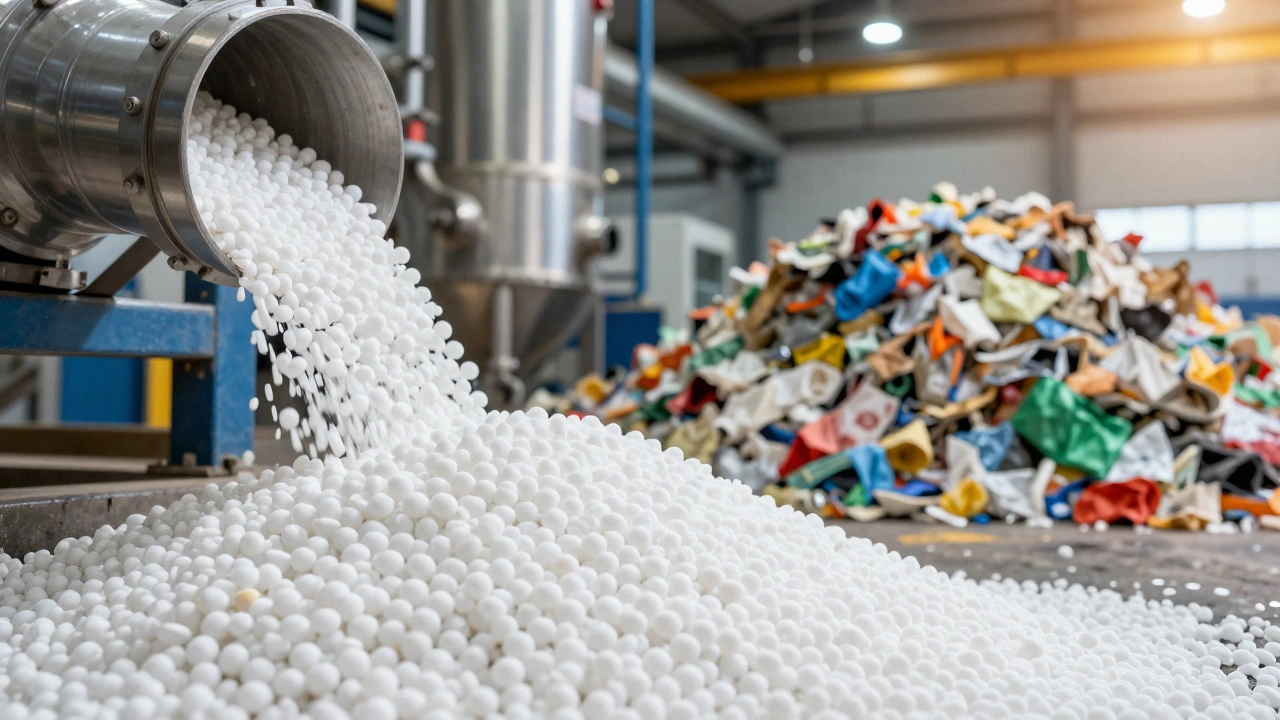
Virgin plastic is polymer made directly from crude oil or natural gas through petrochemical refining. This is the "new" stuff. It comes in consistent pellets, often white or colored, with predictable molecular structures. When you need precision-like in medical devices or automotive parts-you usually go here. The supply chain for virgin plastic is dominated by massive global players like Dow, SABIC, and LyondellBasell. They produce millions of tons annually, and their prices fluctuate daily based on oil markets.
On the other side, you have Recycled plastic, which is post-consumer or post-industrial waste that has been collected, sorted, cleaned, and reprocessed into usable flakes or pellets. This market has exploded in the last decade due to regulatory pressure and consumer demand. However, it’s messier. The quality varies batch by batch. One truckload of PET bottles might be clearer than the next. If you’re making a high-end cosmetic jar, you can’t afford color inconsistencies. That’s why many manufacturers blend virgin and recycled materials to hit the sweet spot between cost and quality.
| Feature | Virgin Plastic | Recycled Plastic |
|---|---|---|
| Source Material | Crude Oil / Natural Gas | Post-Consumer Waste (PCW) / Post-Industrial (PI) |
| Consistency | High (Standardized specs) | Variable (Depends on collection stream) |
| Price Volatility | Tied to Oil Prices | Tied to Collection & Sorting Costs |
| Regulatory Pressure | Carbon Taxes / Emissions | Extended Producer Responsibility (EPR) |
| Typical Buyers | Automotive, Medical, Electronics | Packaging, Construction, Furniture |
The Role of Chemical Giants and Resin Producers
If you are buying virgin plastic, you are likely dealing with what we call "primary producers." These are the companies that own the crackers-the massive industrial plants that break down hydrocarbons into basic building blocks like ethylene and propylene. From there, they polymerize these into resins like Polyethylene (PE), Polypropylene (PP), and Polystyrene (PS).
In 2026, the landscape is shifting. We are seeing a consolidation of power. The big six chemical companies control a significant portion of the global supply. For a small manufacturer, walking into a negotiation with them can feel daunting. You don’t just buy off the shelf; you enter into long-term contracts. These contracts often include volume commitments. If you promise to buy 10,000 tons a year, you get a better price. If you miss that target, you pay penalties. This creates a barrier to entry for smaller players who can’t commit to such volumes.
However, there’s a workaround: distributors. Companies like Avient, Covestro, and various regional distributors act as middlemen. They buy in bulk from the giants and sell smaller quantities to manufacturers. Yes, you pay a premium for this convenience, but you gain flexibility. You can order 500 kg instead of 500 tons. For prototyping or short-run production, distributors are lifesavers.
The Rise of Specialized Recyclers
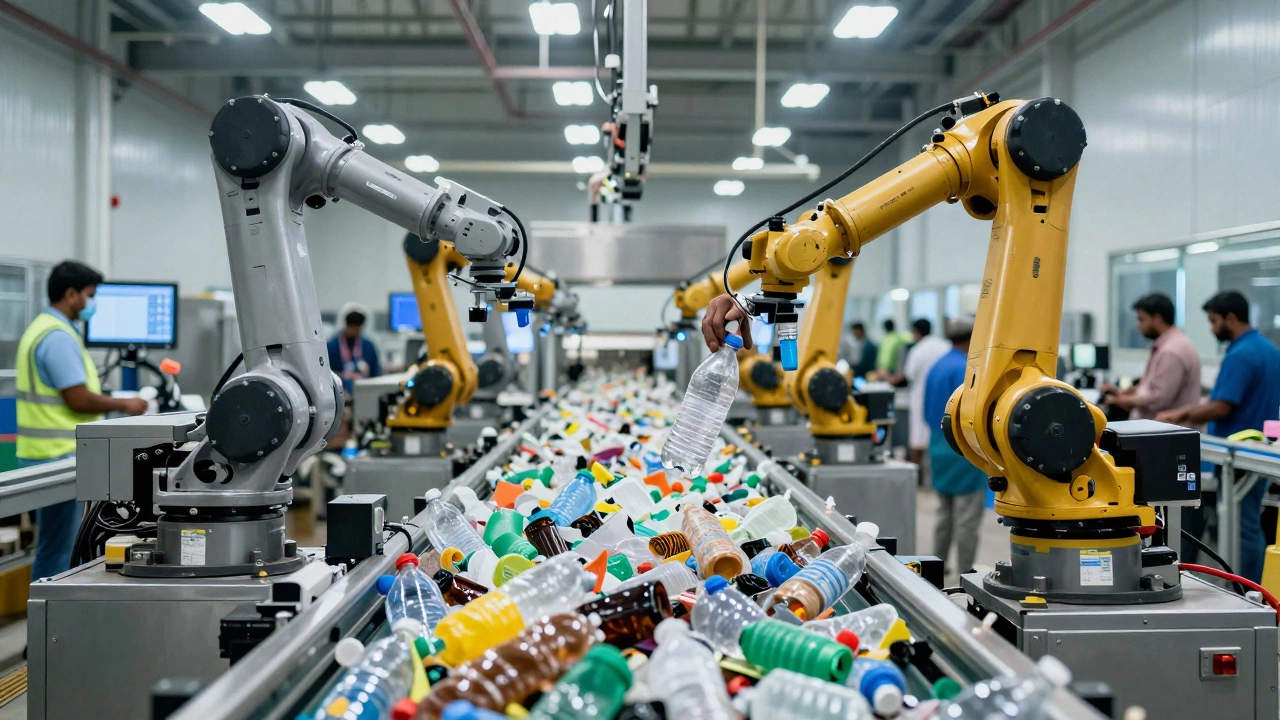
Let’s talk about the recycled side again, because it’s where the action is. Ten years ago, if you wanted recycled plastic, you were lucky to find a local baler. Today, you have sophisticated facilities using AI-powered sorting robots to separate plastics by type and color.
Companies like Veolia, Suez, and newer tech-focused startups like AMP Robotics are transforming waste streams into commodity-grade materials. Here’s how it works:
- Collection: Municipalities or private collectors gather waste.
- Sorting: Advanced optical sorters identify PET, HDPE, PVC, etc.
- Processing: The plastic is shredded, washed, and decontaminated.
- Re-pelletizing: The clean flakes are melted and formed into new pellets.
The key challenge here is contamination. If a single piece of PVC gets mixed into a PET stream, it can ruin an entire batch during processing because PVC degrades at a different temperature. Manufacturers who buy recycled content must have rigorous testing protocols. You aren’t just buying material; you’re buying trust in the recycler’s process.
Interestingly, some manufacturers are bypassing traditional recyclers altogether. They are setting up closed-loop systems. Think of a furniture company that takes back old chairs, shreds them, and uses that material to make new chair legs. This vertical integration reduces dependency on external suppliers and guarantees quality. IKEA and Patagonia are famous examples, but now mid-sized brands are adopting similar models to meet sustainability goals.
Import Dependencies and Geopolitics
Where you live matters. If you are in Europe, you have strict regulations under the European Green Deal. You are pushed toward recycled content and circular economy principles. In the US, the infrastructure is fragmented, leading to reliance on imports for certain grades of recycled plastic. In Asia, particularly China, the ban on foreign plastic waste in 2018 reshaped the entire global trade flow. Suddenly, countries that used to export their trash had to build domestic recycling capacity or find new buyers.
Today, in 2026, we see a trend toward regionalization. Shipping plastic pellets across oceans is expensive and carbon-intensive. Many manufacturers are sourcing locally to reduce logistics costs and carbon footprints. This means the "best" supplier isn’t always the cheapest one globally; it’s the one closest to you with reliable quality.
Also, consider the impact of trade tariffs. If you import virgin resin from a country with lower labor costs, a sudden tariff hike can wipe out your margin overnight. Diversifying your supplier base across different regions is no longer optional; it’s a risk management strategy.
Chemical Recycling: The New Frontier
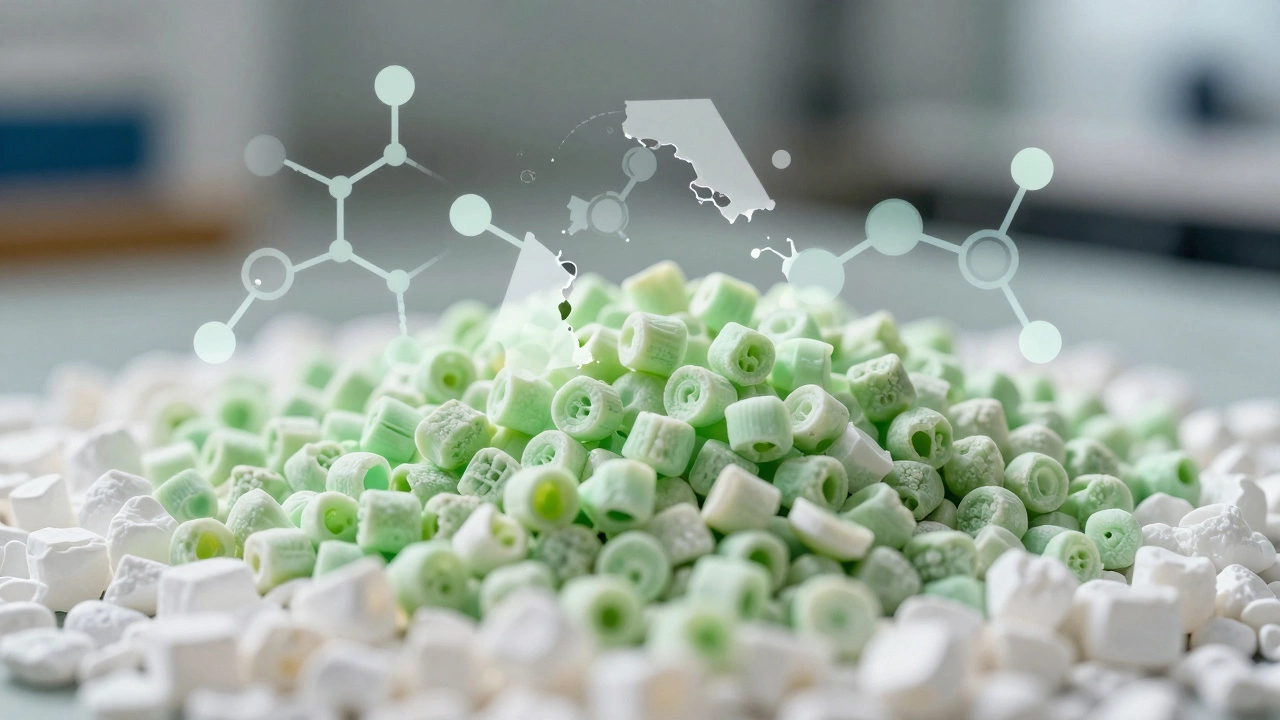
There’s a third option emerging: chemical recycling. Unlike mechanical recycling (shredding and melting), chemical recycling breaks plastic down to its molecular level. This allows for "virgin-quality" recycled plastic. It sounds perfect, right?
Well, not quite. It’s energy-intensive and currently expensive. But for industries that require food-grade safety or medical purity, it’s a game-changer. Mechanical recycling often degrades the polymer chain, limiting the number of times it can be reused. Chemical recycling resets the clock. Companies like Loop Industries and Agilyx are leading this space. As technology scales and costs drop, expect more manufacturers to source from chemical recyclers, especially for high-value applications.
How to Choose Your Supplier
So, how do you decide where to buy? Start with your end-use. Are you making a disposable cup? Go for recycled content to cut costs and appeal to eco-conscious consumers. Are you making a car bumper that needs to withstand impact and heat? Stick with virgin engineering plastics like ABS or Nylon, possibly blended with glass fibers.
Next, audit your suppliers. Don’t just look at the price per kilogram. Look at:
- Traceability: Can they prove where the material came from? Certifications like ISCC PLUS or GRS (Global Recycled Standard) are essential for claiming sustainability.
- Consistency: Request samples and test them yourself. Check melt flow index, tensile strength, and color.
- Lead Times: How fast can they deliver? Supply chain disruptions are common. A cheaper supplier who delivers late can cost you more in lost production time.
- Technical Support: Do they help you troubleshoot molding issues? A good supplier acts as a partner, not just a vendor.
Finally, build relationships. The plastic market is cyclical. Prices go up and down. Having a trusted supplier who understands your business can mean the difference between securing stock during a shortage and being left empty-handed.
Future Trends in Plastic Sourcing
Looking ahead, bio-based plastics are gaining traction. Materials like PLA (Polylactic Acid) derived from corn starch or sugarcane offer a renewable alternative. However, they come with their own challenges, such as compostability requirements and limited heat resistance. Manufacturers are experimenting with blends to optimize performance.
Digital platforms are also changing how we buy. Online marketplaces for plastics allow you to compare prices and specs instantly. While they won’t replace personal relationships for large contracts, they are excellent for spot buying and discovering new suppliers.
The bottom line? Sourcing plastic is no longer just about finding the lowest price. It’s about balancing performance, sustainability, and supply chain resilience. Whether you choose virgin, recycled, or chemically recycled material, understanding the source empowers you to make smarter decisions for your business and the planet.
What is the difference between virgin and recycled plastic?
Virgin plastic is made directly from petroleum or natural gas, offering high consistency and purity. Recycled plastic is processed from post-consumer or industrial waste, varying in quality but offering environmental benefits and often lower costs.
Who are the major suppliers of virgin plastic?
Major global suppliers include Dow, SABIC, LyondellBasell, ExxonMobil, and INEOS. These companies produce primary resins like PE, PP, and PS on a massive scale.
Is recycled plastic as strong as virgin plastic?
It depends on the application. High-quality recycled plastics can match virgin properties for many uses, especially when blended. However, for critical structural or medical applications, virgin plastic is often preferred due to guaranteed consistency.
How can I verify if my plastic supplier is sustainable?
Look for certifications like ISCC PLUS, Global Recycled Standard (GRS), or Cradle to Cradle. Ask for traceability documentation that proves the origin of the recycled content and ensures no contamination.
What is chemical recycling?
Chemical recycling breaks plastic down to its molecular components, allowing it to be rebuilt into virgin-quality plastic. It handles contaminated or mixed plastics that mechanical recycling cannot process.