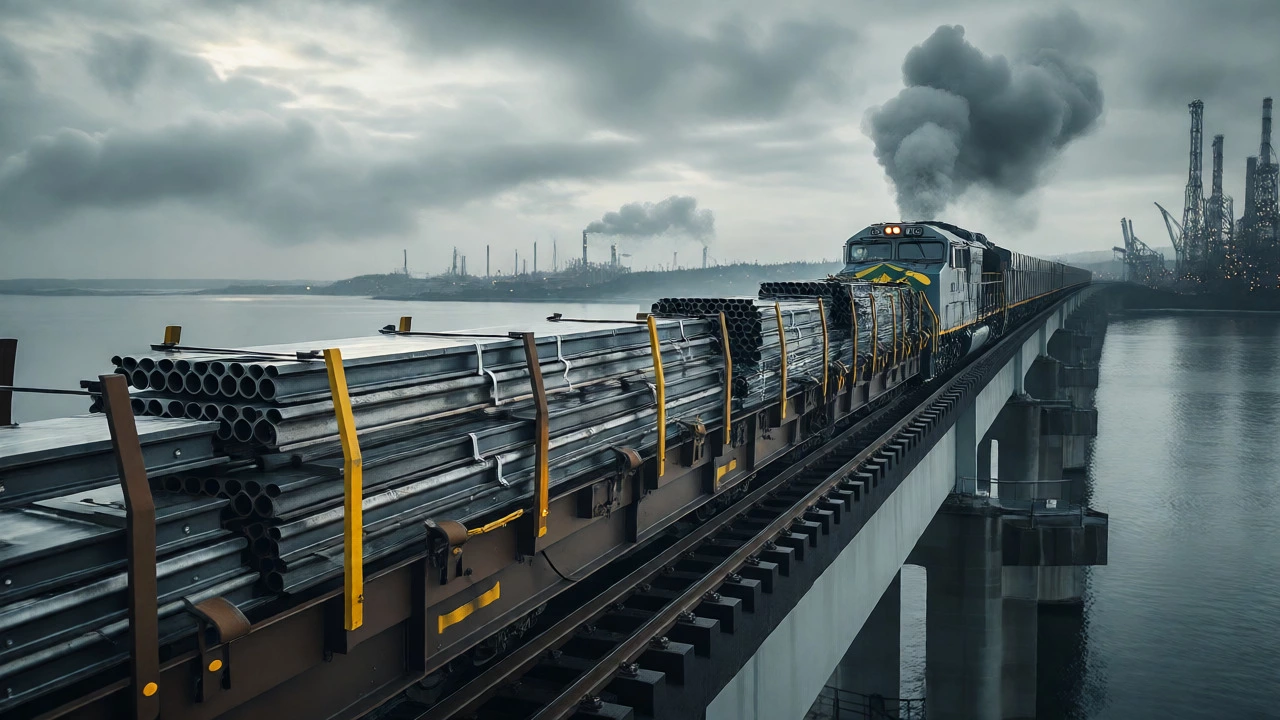
US Steel Import Sources Explorer
Explore where the United States sources its steel. Click on a country or segment to see detailed insights about their role in the US market.
Select a country from the chart or list below to view details.
Top Exporters List
You might think that in a country with massive industrial hubs like Pittsburgh and Gary, Indiana, we build everything from our own backyard. But here is the twist: despite having some of the most advanced steel manufacturing plants in the world, the United States still relies heavily on imported steel for specific grades and volume needs. It is not just about cheap labor; it is about specialized alloys, supply chain gaps, and yes, politics. If you are tracking where your construction materials or car parts come from, understanding the flow of global steel is crucial.
| Country | Primary Steel Type | Key Advantage | Estimated Market Share |
|---|---|---|---|
| Canada | Flat Rolled & Semi-finished | Nearshoring & Low Tariffs | ~30% |
| Mexico | Construction & Automotive | Proximity & Integration | ~18% |
| South Korea | High-Grade Flat Products | Quality & Technology | ~12% |
| Japan | Specialty Alloys | Precision Engineering | ~8% |
| Brazil | Semi-finished Slabs | Raw Material Efficiency | ~7% |
The Canada Connection: Why Our Northern Neighbor Leads
When people ask where the US buys most of its steel, the answer is almost always Canada. This isn't surprising when you look at the logistics. Shipping steel across the Atlantic or Pacific costs money and time. Moving it by rail or truck from Ontario or Quebec to the Midwest is fast and efficient. The relationship between US and Canadian steel industries is deeply intertwined. Many US-based mills actually buy semi-finished steel slabs from Canadian producers to finish them domestically.
This "nearshoring" trend has accelerated recently. Companies want shorter supply chains. They don't want to wait six weeks for a ship from Asia. Canada offers something no other major exporter can: seamless integration with the North American market. Under agreements like the USMCA (United States-Mexico-Canada Agreement), tariffs are minimal or non-existent for compliant goods. This makes Canadian steel competitively priced even if production costs aren't always lower than overseas rivals.
But it is not just about convenience. Canadian producers often specialize in high-quality flat rolled steel used in automotive panels and appliances. If you drive a Ford or GM vehicle assembled in Michigan, there is a good chance the body panels started their journey in a Canadian mill. This cross-border dependency creates a unique economic bond that survives political shifts.
Mexico and the Automotive Supply Chain
If Canada handles the volume and raw materials, Mexico handles the finished components. Mexican steel exports have surged as automakers shift more production south of the border. Why? Labor costs are lower, but more importantly, the infrastructure is ready. Ports in Veracruz and Manzanillo feed directly into US distribution networks.
Mexican steel is critical for the construction sector and heavy machinery. When a developer builds a skyscraper in Texas or Florida, they might source structural beams from Monterrey rather than waiting for domestic availability. The proximity allows for just-in-time delivery, which reduces inventory holding costs for builders. For manufacturers, this means less cash tied up in warehouse stock.
However, this relationship faces scrutiny. Trade disputes occasionally flare up over dumping allegations-claims that foreign companies sell steel below cost to undercut local competitors. Despite these tensions, the geographic advantage keeps Mexico firmly in the top three sources for US steel imports.
Asia's High-Tech Steel: Japan and South Korea
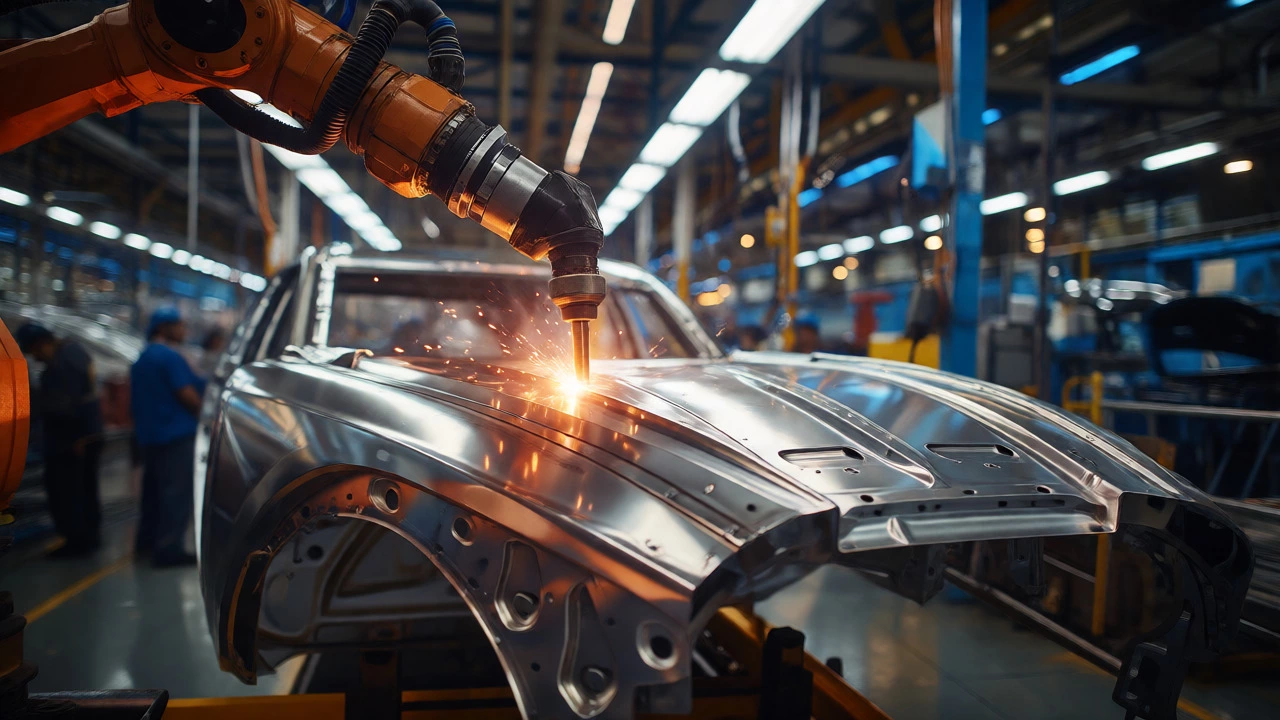
While neighbors dominate volume, Asia dominates quality in specific niches. You won't find Japanese steel in every parking garage beam, but you will find it in the transmission gears of luxury cars or the casing of high-end electronics. Japan and South Korea produce some of the most precise specialty steels in the world.
These countries invest heavily in research and development. Their mills use advanced electric arc furnaces and sophisticated rolling techniques to create alloys with exacting tolerances. A US aerospace company might import titanium-infused steel from Japan because domestic options don't meet the specific heat-resistance requirements needed for jet engines.
South Korea, home to giants like POSCO, competes aggressively in the flat steel market. Korean steel is often cheaper than European alternatives while maintaining higher quality standards than many emerging markets. This sweet spot makes it attractive for US appliance manufacturers who need consistent thickness and surface finish for washing machines and refrigerators.
It is worth noting that Chinese steel, once the dominant global force, has seen a decline in direct US imports. Tariffs imposed under Section 232 of the Trade Expansion Act raised barriers significantly. While China still produces more steel than any other nation, much of it goes to Southeast Asia, Africa, or Europe. Direct shipments to the US now face steep duties, making them less competitive unless the product is uniquely unavailable elsewhere.
The Role of Domestic Mills vs. Imports
Let's clear up a misconception. The US doesn't import steel because we lack capacity. We produce over 80 million metric tons annually. That is enough to make us one of the top producers globally. So why import?
- Specialization: Some grades require specific equipment or expertise that few US plants possess.
- Capacity Gaps: During boom times, domestic demand outstrips supply, forcing buyers to look abroad.
- Cost Dynamics: Energy prices fluctuate. If natural gas spikes in Ohio, importing from regions with cheaper energy becomes viable.
- Global Contracts: Large multinational corporations often have global sourcing agreements that dictate where they buy, regardless of local price differences.
Domestic mills focus heavily on long products (rebar, beams) and flat products (sheet metal). They are efficient at these. But if you need a niche alloy for medical devices, you are likely looking overseas. This division of labor isn't failure; it is globalization working as intended.
How Tariffs Shape the Map
You cannot talk about steel imports without mentioning tariffs. The Trump-era Section 232 tariffs placed a 25% duty on most imported steel. Biden maintained these but adjusted quotas for certain allies. These policies reshuffled the deck.
Tariffs protected domestic jobs, arguably saving thousands of positions in rust belt states. But they also raised costs for downstream users-construction firms, auto makers, and appliance builders. Did it work? Partially. Domestic utilization rates improved, but so did inflation in related sectors.
Now, in 2026, we see a nuanced approach. Tariffs remain, but exemptions exist for trusted partners. Canada and Mexico largely escape these burdens due to regional agreements. This reinforces their dominance. Asian suppliers must navigate complex quota systems or pay premiums to enter the US market.
What This Means for Manufacturers
If you run a small manufacturing business, this landscape matters. You might assume buying local is always best. Sometimes it is. But sometimes, a specialized component from Germany or Japan saves you R&D headaches. Or perhaps bulk slab purchases from Brazil offer better margins during peak seasons.
Stay flexible. Diversify your suppliers. Don't rely solely on one region. If Canadian rail strikes disrupt supply, can you pivot to Mexican sources? If Asian shipping delays hit, do you have domestic backup? Resilience comes from variety, not just locality.
Also, watch for regulatory changes. Environmental regulations in the EU and US are tightening. Green steel-produced using hydrogen instead of coal-is becoming a premium product. Early adopters of green steel imports might gain a marketing edge as consumers demand sustainable products.
Which country sells the most steel to the USA?
Canada is consistently the largest supplier of steel to the United States, accounting for roughly 30% of total imports. This is due to geographical proximity, integrated supply chains, and favorable trade agreements like the USMCA.
Why does the US import steel if it produces so much?
The US imports steel for several reasons: to access specialized alloys not produced domestically, to fill capacity gaps during high-demand periods, and to take advantage of lower costs in regions with cheaper energy or labor. Additionally, global contracts often dictate sourcing locations.
Are tariffs on imported steel still in effect in 2026?
Yes, Section 232 tariffs imposing a 25% duty on most steel imports remain largely in place. However, exemptions and quota adjustments apply to certain trading partners, particularly those within North America.
What types of steel does the US import most?
The US primarily imports flat rolled steel (used in automotive and appliances) and semi-finished steel products (slabs and billets) that are then processed in domestic mills. Specialty alloys and high-grade steels from Japan and South Korea are also significant imports.
How do shipping costs affect steel imports?
Shipping costs significantly impact the final price of imported steel. Overseas freight volatility can erase price advantages offered by lower production costs abroad. This is why nearby sources like Canada and Mexico are often preferred for their logistical reliability and lower transportation expenses.