Waste Management Efficiency Calculator
Country Waste Profile
Enter metrics based on the article's findings about plastic waste management
Results
Waste Leakage Rate:
Key Findings: This country's waste management system results in tons of plastic entering the ocean annually.
This is times worse than the Philippines' current situation.
Every minute, the equivalent of a garbage truck full of plastic gets dumped into the ocean. That’s not a metaphor-it’s a real-time estimate from the United Nations. And while plastic waste is a global problem, some countries are far worse than others. The question isn’t just about how much trash a country produces, but how badly it manages it. Where does plastic go after it’s made? Who’s responsible for the piles of uncollected waste choking rivers and coastlines? And which nations are letting their own manufacturing systems become environmental time bombs?
Plastic production doesn’t equal waste mismanagement
It’s easy to assume the biggest plastic producers are the worst offenders. The U.S. and China top the list for plastic manufacturing output. China alone makes over 30% of the world’s plastic. But here’s the twist: high production doesn’t always mean high mismanagement. China has spent the last five years overhauling its waste system. Since 2018, it stopped taking foreign plastic waste. It’s now investing billions in domestic recycling plants and cracking down on illegal dumping. The result? Plastic waste leakage into rivers dropped by 40% between 2019 and 2024.
Meanwhile, countries with lower production but weaker systems are drowning in their own trash. The real problem isn’t how much plastic is made-it’s how little is collected, recycled, or contained.
The worst offender: the Philippines
If you’re looking for the country with the worst waste problem, the answer isn’t a rich nation with high consumption. It’s the Philippines.
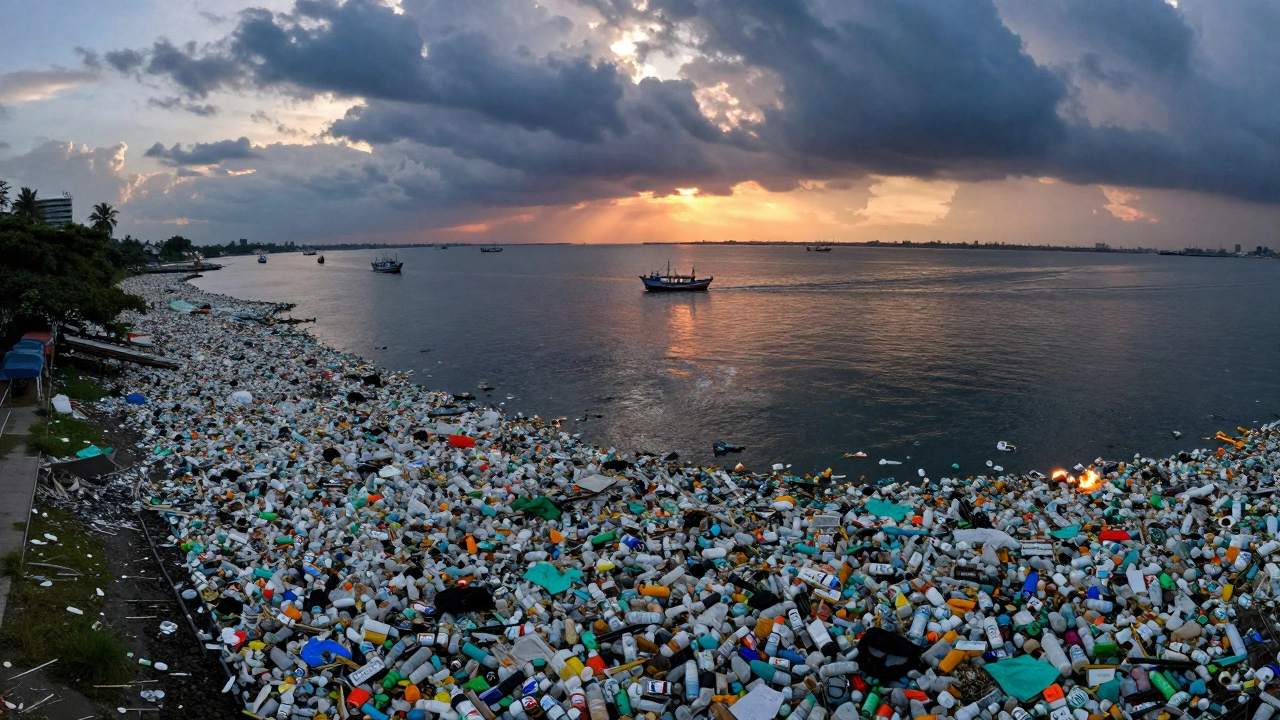
Here’s why: the Philippines generates about 2.7 million tons of plastic waste every year. That’s not even the highest in Asia. But here’s the kicker-only 14% of it gets properly collected. The rest? It ends up in open dumps, rivers, or washed straight into the ocean. A 2023 study by Ocean Conservancy found the Philippines was responsible for over 36% of all plastic waste entering the Pacific Ocean. That’s more than Indonesia, Vietnam, and Malaysia combined.
Why? Infrastructure gaps. Many coastal towns don’t have waste collection services. Rural areas rely on burning trash or dumping it near rivers. Plastic bags, bottles, and food wrappers clog drainage systems during monsoon season. In Manila alone, over 2,000 tons of plastic waste are dumped into Manila Bay daily. And with over 7,000 islands, the logistics of waste management are nearly impossible without major investment.
Manufacturing’s role in the crisis
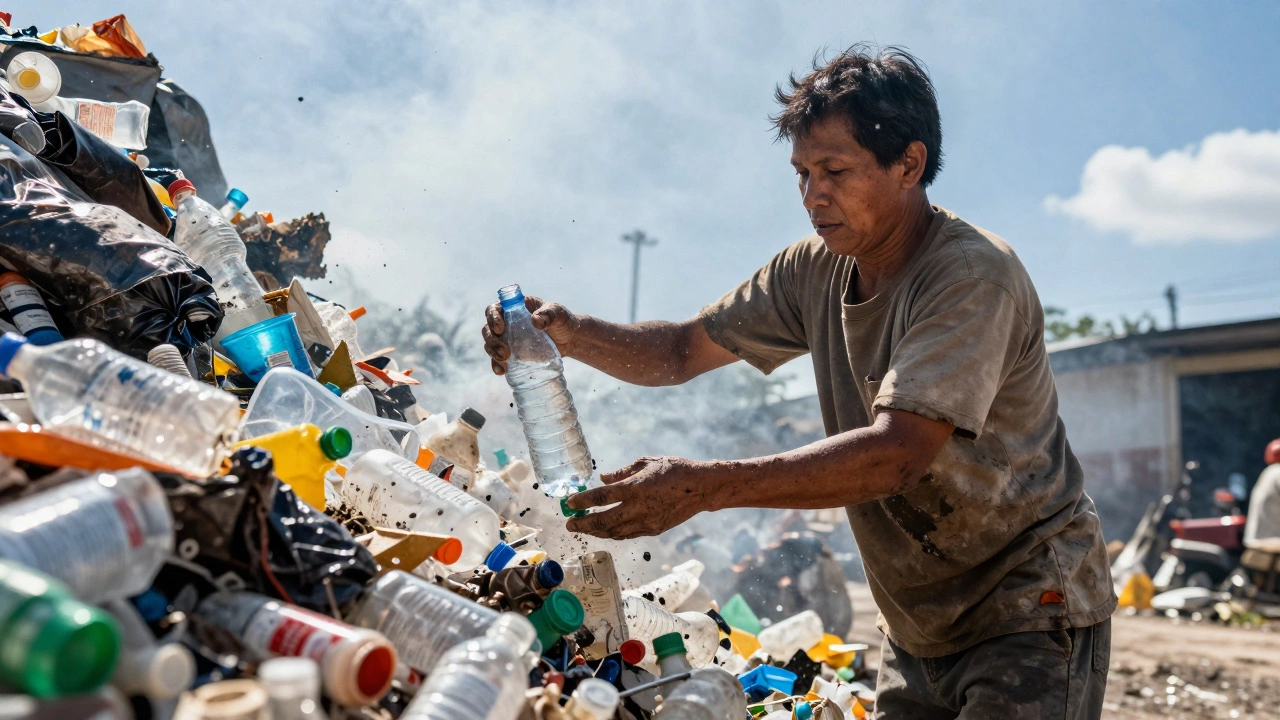
Plastic manufacturing companies aren’t just making products-they’re creating the raw material for this disaster. Most plastic waste comes from single-use packaging: food wrappers, water bottles, shopping bags, and takeout containers. In the Philippines, 70% of plastic waste is packaging material. And who makes it? Local factories, often small-scale, with no environmental oversight. Many use recycled or low-grade plastic because it’s cheaper. But that plastic degrades faster, breaks into microplastics, and contaminates soil and water.
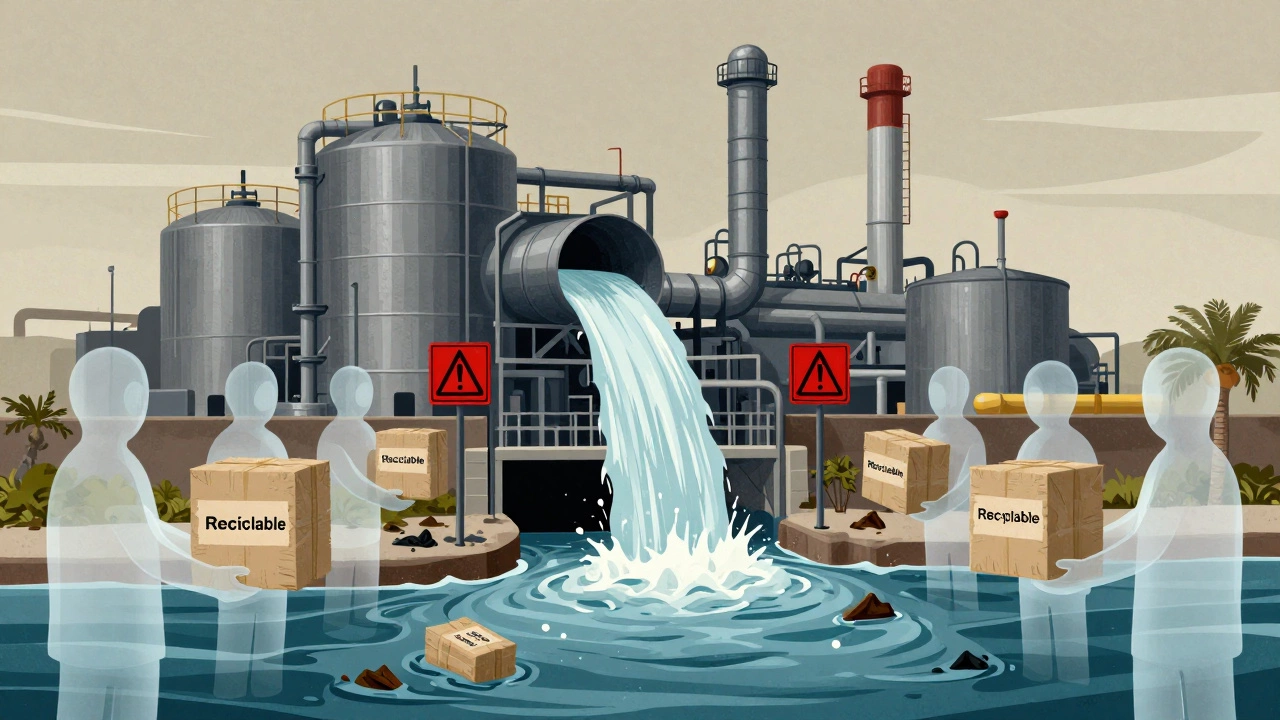
There’s also the issue of imported plastic waste. Before 2018, the Philippines was a dumping ground for plastic from the U.S., Japan, and Europe. Containers labeled as ‘recyclable’ arrived with mixed trash, contaminated materials, and medical waste. Even after the ban, illegal shipments still arrive. In 2020, a ship carrying 69 containers of plastic waste from Canada was forced to return home after public outcry. The Philippines doesn’t have the capacity to handle even its own waste, let alone someone else’s.
Other countries with critical waste failures
The Philippines isn’t alone. Indonesia ranks second in ocean plastic leakage, with over 1.3 million tons a year. But its population is five times larger, so per capita, the Philippines is worse. Vietnam and Malaysia are also struggling, but they’ve started enforcing stricter rules on plastic imports and factory emissions.
In Africa, Nigeria and Ghana face similar issues. Lagos dumps 8,000 tons of waste daily, and only 30% is collected. In Accra, plastic bags hang from trees like grotesque fruit. But here’s the difference: African nations produce far less plastic overall. The problem is systemic collapse, not overproduction.
India, despite its massive population and growing plastic use, has made progress. The 2022 ban on single-use plastics reduced waste by 15% in urban areas. Municipalities in Pune and Bangalore now use AI-powered waste sorting. It’s not perfect, but it’s moving in the right direction.
What’s being done-and what’s not
Some countries are fighting back. The European Union has banned 10 single-use plastics. Canada is taxing plastic packaging. Thailand is offering cash rewards for returning plastic bottles. But in the Philippines, enforcement is weak. Local governments lack funds. Federal laws exist, but they’re rarely enforced outside Manila.
Plastic manufacturers in the Philippines operate with little regulation. Many don’t even pay for waste disposal. The cost of managing plastic waste is pushed onto communities, not corporations. There’s no extended producer responsibility law-meaning companies don’t have to pay for what they make.
Compare that to Germany, where manufacturers pay a fee for every plastic package they sell. That fee funds recycling. The result? Germany recycles 67% of its plastic waste. The Philippines? Less than 10%.
The human cost
Waste isn’t just an environmental issue-it’s a health crisis. In the Philippines, children in coastal villages play near open waste pits. They breathe smoke from burning plastic. Water sources are contaminated with microplastics. Studies show 90% of fish sold in Manila markets have plastic in their guts. Farmers use plastic-wrapped fertilizers that break down into toxic sludge. The long-term effects on fertility, liver function, and child development are still being studied-but the signs are alarming.
And the people who clean up the mess? They’re the poorest. Waste pickers in Manila sift through toxic heaps for scraps. They earn less than $2 a day. Many have respiratory diseases. No one offers them gloves, masks, or health insurance.
Who’s to blame?
It’s easy to point fingers at consumers. But 80% of plastic waste comes from just 100 companies globally. Most are based in the U.S., China, and Europe. They design packaging that’s cheap, convenient, and impossible to recycle. Then they sell it to countries with weak systems.
Plastic manufacturing companies profit from this cycle. They make the product. They avoid the cost of disposal. They outsource the cleanup to developing nations. And they market it as ‘essential’-even when alternatives exist.
Meanwhile, local governments in the Philippines are caught in a trap. They need economic growth. Plastic factories bring jobs. But they also bring pollution. Without strict regulations, companies won’t change. And without international pressure, they won’t pay.
The path forward
Fixing this isn’t about banning plastic. It’s about changing how it’s made, used, and paid for.
- Manufacturers must design for reuse, not disposal.
- Governments must enforce extended producer responsibility laws.
- International donors must fund waste collection systems-not just cleanups.
- Consumers must demand accountability from brands.
The Philippines can’t fix this alone. But it can be the example that forces change. If a country with limited resources can build a waste system that works, others will follow. The question isn’t which country has the worst problem. It’s who’s willing to fix it first.