Indian Car Import Eligibility Checker
Which Indian car are you interested in?
Select the model you want to check for US availability.
What is the model year?
This determines eligibility under the 25-Year Rule.
How do you plan to use it?
Usage type affects regulatory requirements.
Compliance Budget
Modifying a vehicle for US standards costs significantly.
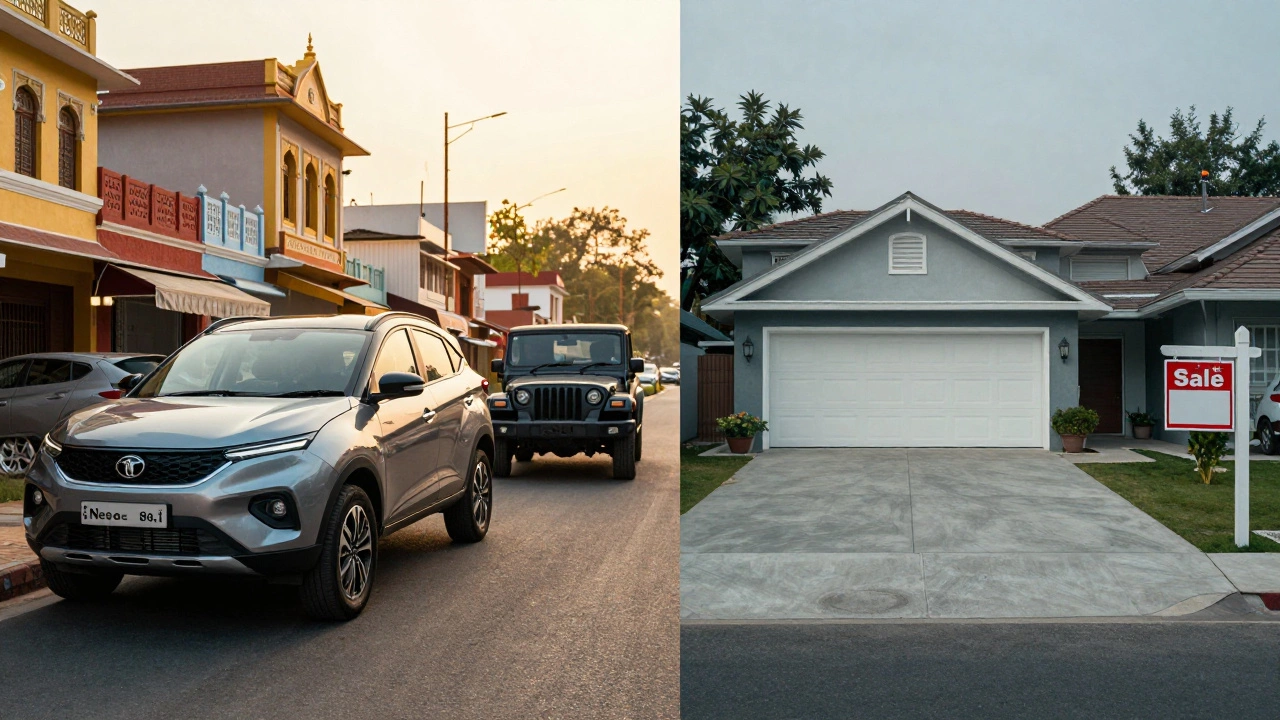
It is a question that comes up constantly on forums and social media groups. You see a stunning Tata Nexon or a rugged Mahindra Thar, you love the design, and you wonder: "Can I just buy this in America?" The short answer is no. As of mid-2026, there are virtually no mass-market Indian cars available for purchase at dealerships across the United States.
This isn't because American buyers don't want them. It is because the barrier to entry is not about money; it is about bureaucracy, safety physics, and emissions chemistry. The gap between what is sold in New Delhi and what is legal on the streets of New York is wider than most people realize.
The Regulatory Wall: Why You Can't Just Import
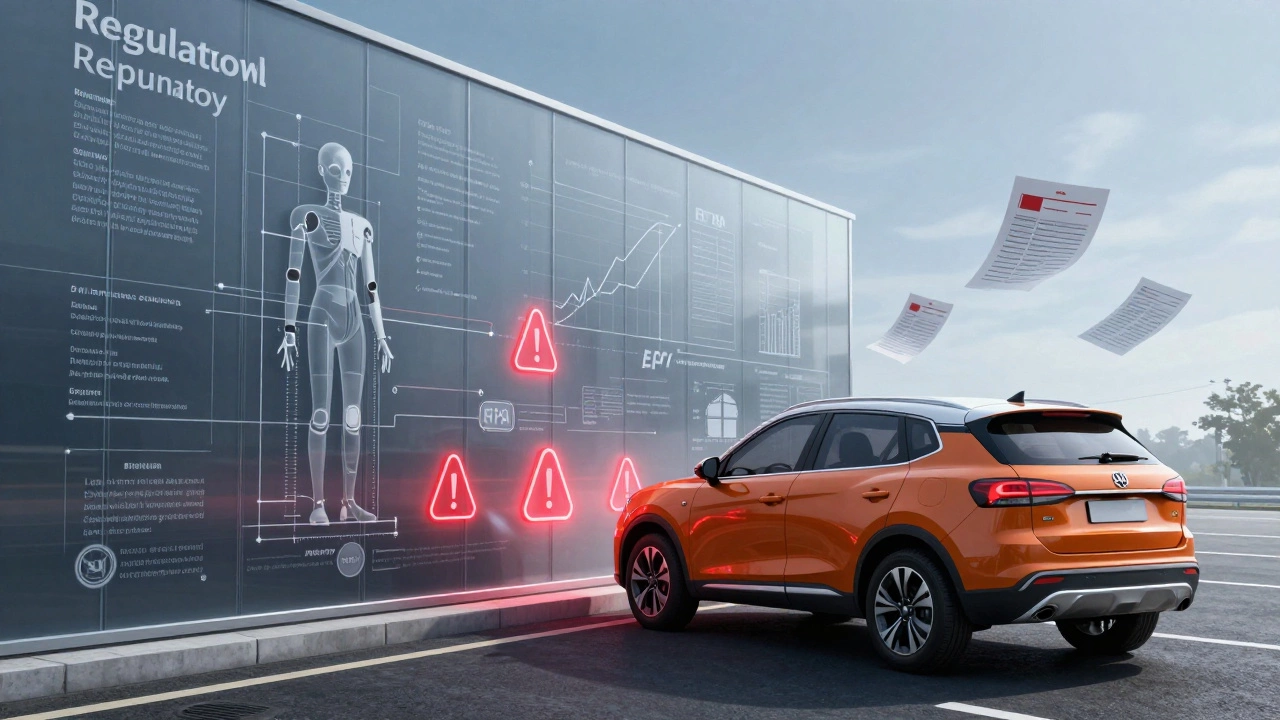
To understand why your favorite Indian hatchback isn't sitting in a lot near you, you have to look at the National Highway Traffic Safety Administration (NHTSA). This agency sets the safety standards for every vehicle sold in the US. Unlike Europe, which often aligns with global standards, the US has unique requirements that change frequently.
Indian manufacturers like Tata Motors and Mahindra & Mahindra build vehicles primarily for the Bharat Stage VI (BS-VI) emission norms and AIS-045 crash test protocols. While BS-VI is strict, it differs from the EPA Tier 3 and CARB (California Air Resources Board) standards required in the US.
Modifying a car to meet these standards requires engineering changes to the engine management system, exhaust catalytic converters, and even the physical structure of the bumper beams to absorb impact at different speeds. For a small manufacturer, spending $10 million to certify one model for a market where they sell zero units makes no business sense.
Who Actually Sells Indian Brands in the US?
If you walk into a dealership today, you won't find a Tata badge. However, the story is slightly more nuanced if you look at commercial vehicles and niche off-roaders. Two major players have a foothold, but they serve very specific audiences.
| Manufacturer | Vehicle Type | Availability Status | Key Models |
|---|---|---|---|
| Mahindra USA | SUVs / Off-Roaders | Limited (Off-road only) | Blaze, Roxxor |
| Ashok Leyland | Commercial Trucks | Active | Dost, Partner |
| Tata Motors | Passenger Cars | Not Available | N/A |
| Force Motors | Light Commercial | Discontinued/Legacy | Feeder |
Mahindra's Off-Road Strategy
Mahindra USA is the closest thing to an "Indian car brand" you will find. But here is the catch: their popular SUVs like the XUV700 or Scorpio-N are not street-legal imports. Instead, Mahindra focuses on the off-road recreational market.
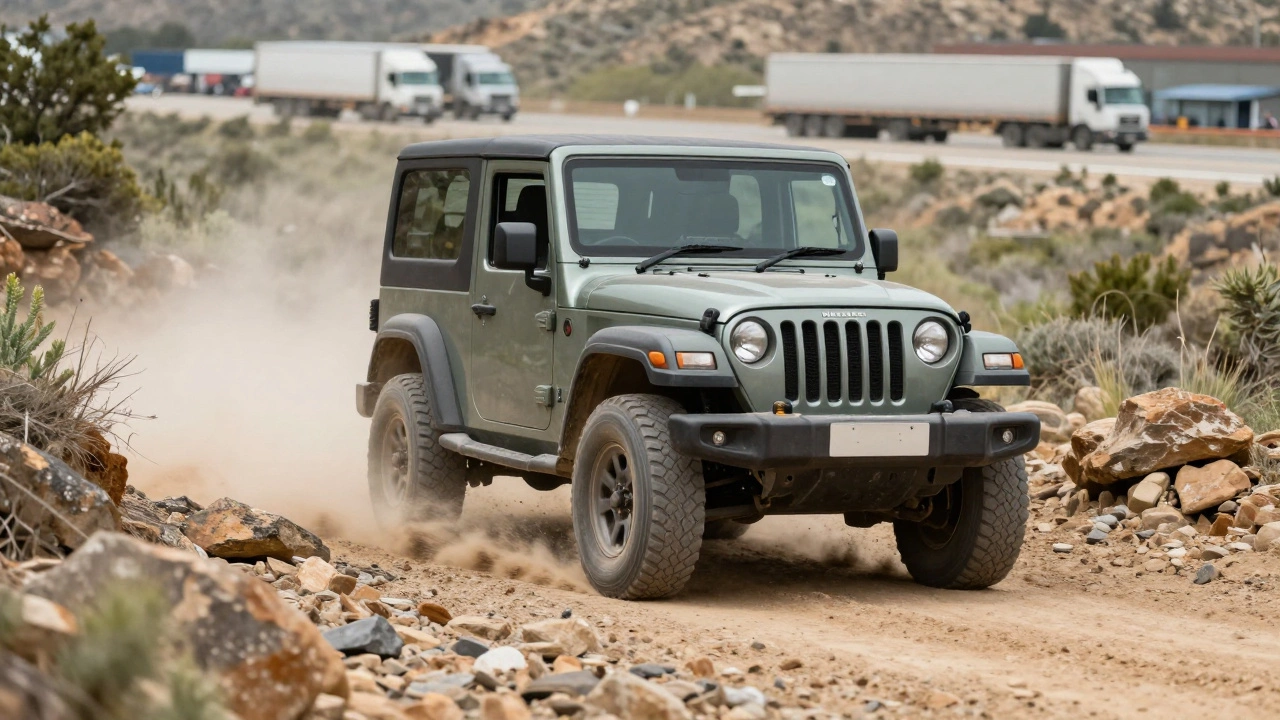
In 2026, Mahindra introduced the Blaze and Roxxor. These are built specifically for the US market, often assembled or heavily modified in partnership with local entities to meet DOT (Department of Transportation) rules. They are not sold as daily commuters but as trail rigs. If you see a Mahindra on the road, it is likely an older model imported through a loophole or a specialized dealer, not a new showroom unit.
Ashok Leyland's Commercial Footprint
While passenger cars are absent, Ashok Leyland has been selling light commercial vehicles in the US for years. Their Dost and Partner trucks are used by logistics companies and municipalities. These vehicles face different regulatory hurdles than passenger cars, making them easier to certify for commercial use. So, technically, an Indian-made vehicle *is* driving on US roads, just not carrying families to school.
The Grey Market: Can You Import Your Own Car?
You might think, "If I go to India, buy a car, and ship it myself, can I drive it?" The answer is almost certainly no, unless the car is over 25 years old.
The 25-Year Rule is the golden ticket for classic car enthusiasts. Under US federal law, any vehicle that is 25 years or older is exempt from NHTSA safety standards. This is why you see vintage Maruti Suzukis or old Hindustan Ambassadors in collector circles. However, modern cars like the Tata Harrier or Hyundai Creta (made in India) cannot be legally imported for personal use unless they were originally manufactured for the US market.
Trying to bypass this involves complex paperwork with Customs and Border Protection (CBP). Even if you get the car into the country, registering it with your state's DMV (Department of Motor Vehicles) will fail without a Certificate of Conformity from the manufacturer stating it meets US standards. Indian manufacturers do not issue this certificate for their domestic models.
Why Don't Indian Brands Enter the US Passenger Market?
It comes down to economics and scale. The US automotive market is dominated by giants like Toyota, Ford, and Tesla. To compete, you need:
- Dealership Networks: Setting up service centers across 50 states costs billions.
- Warranty Infrastructure: US consumers expect comprehensive warranties. Managing parts supply chains from India for minor repairs is logistically nightmarish.
- Price Sensitivity: Indian cars are priced for emerging markets. Once you add shipping, tariffs, and compliance costs, a Tata Punch would cost more than a Honda HR-V, losing its primary advantage: value.
Furthermore, the rise of Electric Vehicles (EVs) has shifted the goalposts. Companies like Tata Power are investing in EV infrastructure in India, but competing with BYD, Rivian, and Chevrolet Bolt in the US requires a completely different battery technology and charging standard (CCS vs. GB/T).
What About Chinese Cars? Is There a Parallel?
People often confuse the potential for Indian cars with the recent surge of Chinese brands like BYD entering other Western markets. China has the scale to absorb the $100 million+ certification costs. India does not yet have a single manufacturer with that level of global export volume for passenger vehicles. Until an Indian company achieves economies of scale similar to Hyundai or Kia in the early 2000s, a full-scale US launch remains unlikely.
Future Outlook: Will We See Change by 2030?
There are whispers of collaboration. Some analysts suggest that Indian tech firms might partner with US automakers for software integration rather than hardware manufacturing. However, for now, the dream of buying a brand-new Indian sedan at a mall dealership is still just a dream.
If you are passionate about Indian engineering, your best bet is to follow the off-road segment. Mahindra's continued focus on the Blaze and future electric off-roaders might slowly expand their footprint. But for daily commuting, the US roads remain closed to Indian passenger cars.
Are there any Tata cars available in the USA?
No, Tata Motors does not currently sell any passenger vehicles in the United States. Their models are not certified for US safety and emissions standards.
Can I import a new Mahindra XUV700 to the US?
Generally, no. The XUV700 is not EPA or NHTSA compliant. You cannot legally register a new non-compliant vehicle for street use in the US. Only off-road variants like the Blaze are designed for limited US market entry.
Is the Ashok Leyland truck sold in America?
Yes, Ashok Leyland sells light commercial trucks like the Dost and Partner in the US. These are used for logistics and municipal services, not as personal passenger cars.
What is the 25-year rule for importing cars?
The 25-year rule allows the importation of vehicles that are at least 25 years old without meeting current NHTSA safety standards. This applies to classic Indian cars but not to modern models.
Why don't Indian car brands enter the US market?
The high cost of regulatory compliance (NHTSA/EPA), lack of dealership infrastructure, and price competitiveness issues make it financially unviable for Indian manufacturers to launch passenger cars in the US currently.