India Chemical Industry Explorer
Explore the key industrial zones driving India's chemical sector. Click on a state to see details, then take the quiz to test your understanding.
Primary Strength
Petrochemicals & Bulk Chemicals
Key Industrial Zones
- • Vadodara
- • Ankleshwar
- • Dahej
Why It Matters
Dominates due to early liberalization policies, massive FDI (Reliance, Adani), and coastal port access (Kandla, Mundra) reducing logistics costs. Known as the "Detroit of the Chemical Industry".
Knowledge Check
Which state is the undisputed leader in volume-based bulk chemical production?
Ask anyone in the global supply chain where the bulk of India's chemical production happens, and they won't hesitate. It’s Gujarat. But why? And what does that mean for you if you're looking to source materials, set up a plant, or just understand the economic engine driving this sector? The answer isn't just about geography; it's a mix of policy, infrastructure, and decades of industrial history.
| State | Primary Strength | Key Industrial Zones |
|---|---|---|
| Gujarat | Petrochemicals & Bulk Chemicals | Vadodara, Ankleshwar, Dahej |
| Maharashtra | Specialty Chemicals & Pharma | Mumbai, Pune, Nagpur |
| Tamil Nadu | Dyes & Intermediates | Chennai, Coimbatore |
| West Bengal | Fertilizers & Basic Inorganics | Kolkata, Haldia |
Why Gujarat Dominates the Landscape
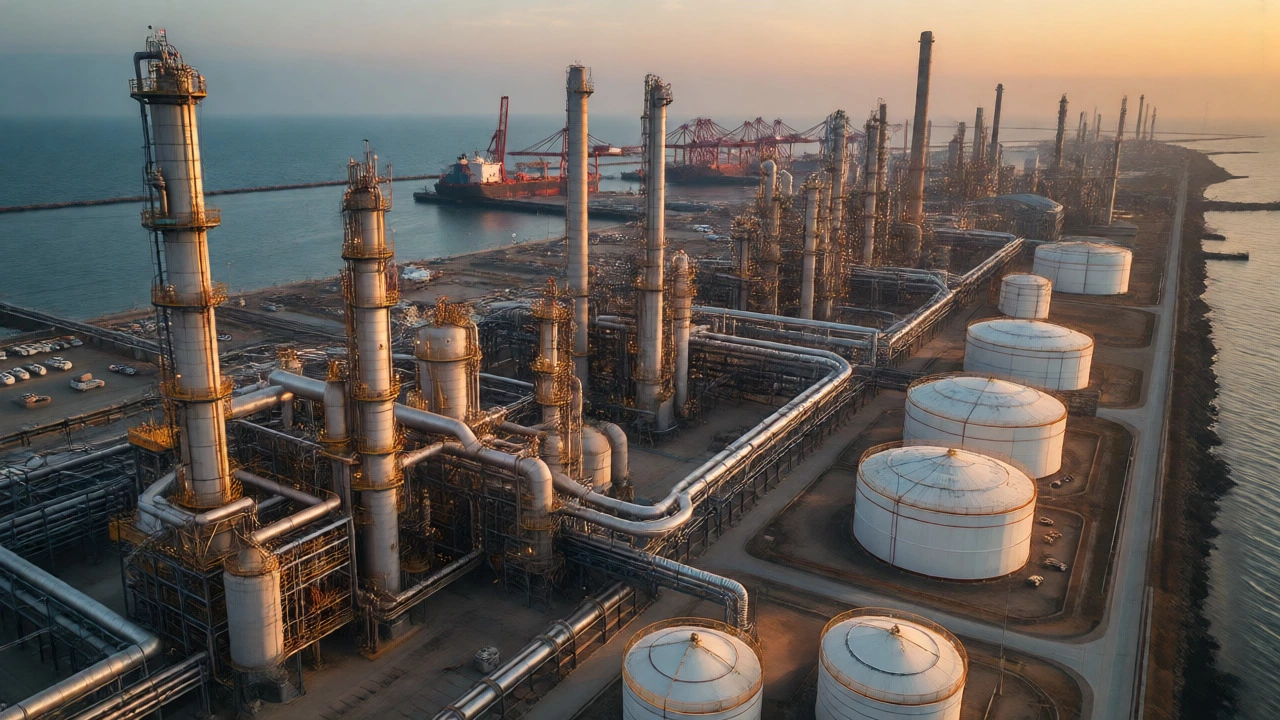
Gujarat accounts for nearly 40% of India's total chemical output. That's not a small margin. This dominance stems from the state's early adoption of liberalization policies in the 1990s, which attracted massive foreign direct investment (FDI). Companies like Reliance Industries and Adani Group built colossal refineries and petrochemical complexes here. When you have raw material access right at your doorstep via ports like Kandla and Mundra, logistics costs drop significantly.
The Vadodara-Ankleshwar belt is often called the "Detroit of the Chemical Industry" in India. Here, hundreds of manufacturers produce everything from simple solvents to complex agrochemical intermediates. If you're sourcing dyes, pigments, or active pharmaceutical ingredients (APIs), chances are high your supplier has a unit in this corridor. The ecosystem is dense. Suppliers of packaging, waste treatment services, and specialized labor all cluster around these hubs, creating a self-sustaining industrial web.
Beyond Gujarat: Other Key Players
While Gujarat leads in volume, other states hold critical niches. Maharashtra, particularly the Mumbai-Pune corridor, focuses heavily on specialty chemicals and pharmaceuticals. Why? Because these industries require high R&D intensity and proximity to financial centers. A startup developing a new polymer composite doesn't need a massive port; it needs venture capital and skilled chemists. Mumbai provides both.
Tamil Nadu plays a different game. It's a powerhouse for dyes and intermediates. The city of Tiruchirappalli and surrounding areas host numerous units producing azo dyes used in textiles. Since Tamil Nadu also has a robust textile sector, there's a natural vertical integration. Manufacturers sell directly to local fabric producers, reducing transport risks and lead times.
West Bengal remains vital for fertilizer production. With major public sector undertakings (PSUs) located near Kolkata, the region ensures food security by supplying urea and phosphatic fertilizers to eastern India. While its growth rate might lag behind Gujarat's explosive expansion, its strategic importance for agriculture cannot be overstated.
What Drives Production Choices?
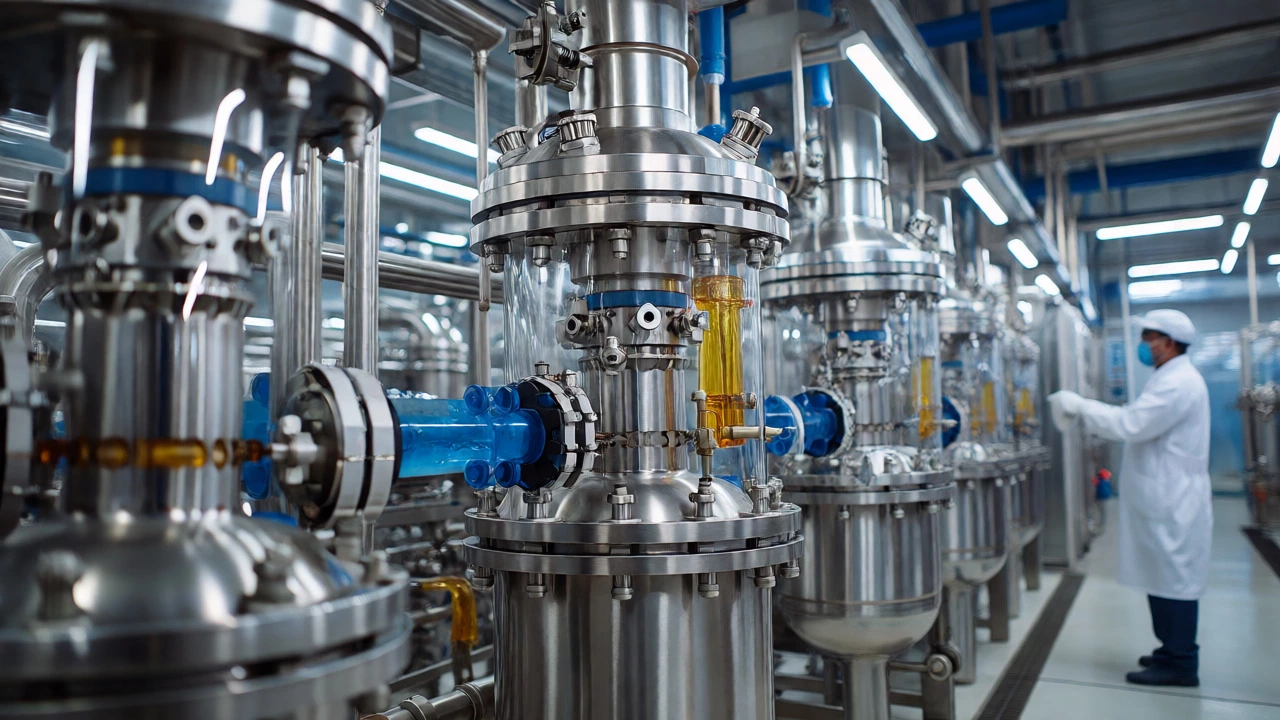
If you're deciding where to manufacture or source, consider three factors: feedstock availability, power stability, and regulatory ease. Gujarat wins on feedstock due to its coastal location and pipeline networks connecting refineries to plants. Power reliability has improved across India, but Gujarat's dedicated industrial power lines offer fewer interruptions than some inland states.
Regulatory ease varies. Gujarat's single-window clearance system speeds up approvals for setting up factories. Compare this to states with more fragmented bureaucratic processes, and you see why investors lean towards the west. However, environmental regulations in Gujarat have tightened recently. The Gujarat Pollution Control Board (GPCB) enforces strict norms on effluent discharge. New entrants must budget for advanced wastewater treatment systems, which can add 15-20% to initial capex.
Future Trends Shaping the Sector
The landscape is shifting. Green chemistry initiatives are gaining traction. States like Karnataka and Telangana are emerging as hubs for electronic chemicals needed for semiconductor manufacturing. As India pushes for 'Atmanirbhar Bharat' (self-reliant India), domestic production of high-value specialty chemicals is being incentivized through Production Linked Incentive (PLI) schemes.
Look at the data from recent years. Exports of organic chemicals grew by over 10% year-on-year, largely driven by demand from Europe and North America seeking alternatives to Chinese suppliers. Gujarat captured most of this market share because of its export-ready infrastructure. If you're watching global trends, keep an eye on how sustainability mandates affect sourcing. Buyers increasingly prefer suppliers with ISO 14001 certification and clear carbon footprint disclosures.
Practical Takeaways for Businesses
So, what should you do with this information? If you're a buyer, diversify your supply base. Don't rely solely on Gujarat vendors. Political disruptions, floods, or port strikes can halt shipments. Having a backup supplier in Maharashtra or Tamil Nadu adds resilience.
If you're an entrepreneur planning a new unit, assess your product type. High-volume, low-margin bulk chemicals belong in Gujarat. High-value, low-volume specialty products fit better in Maharashtra or Karnataka. Check state-specific subsidies. Some states offer lower electricity tariffs for energy-intensive industries, while others provide land at concessional rates.
Which city is known as the chemical hub of India?
Vadodara in Gujarat is widely recognized as the primary chemical hub of India. It hosts a dense concentration of petrochemical, pharmaceutical, and specialty chemical industries, supported by excellent infrastructure and proximity to major ports.
What percentage of India's chemical production comes from Gujarat?
Gujarat contributes approximately 40% of India's total chemical production. This includes significant shares in petrochemicals, agrochemicals, and dyes, making it the undisputed leader in the sector.
Why is Maharashtra important for chemical manufacturing?
Maharashtra specializes in specialty chemicals and pharmaceuticals. Its strength lies in R&D capabilities, access to skilled talent, and proximity to financial markets, making it ideal for high-value, innovation-driven chemical products.
Are there environmental concerns in Gujarat's chemical zones?
Yes, environmental compliance is stringent in Gujarat. The Gujarat Pollution Control Board enforces strict norms on air and water pollution. Manufacturers must invest in modern effluent treatment plants to operate legally, which impacts operational costs but ensures sustainable practices.
How do government incentives affect chemical production locations?
Government incentives like the Production Linked Incentive (PLI) scheme encourage domestic manufacturing of specialty chemicals. States offering additional subsidies on power, land, or capital expenditure attract new investments, influencing where companies choose to set up their facilities.