Ford Steel Sourcing Strategy Analyzer
1. Select a Supplier
2. Adjust Market Conditions
Select a Supplier
Analyze supply chain resilience
Analysis:
Please select a supplier from the left panel to generate an analysis based on current market conditions.
Have you ever wondered where the metal in your car actually comes from? It’s not just a block of iron pulled out of the ground. For a giant like Ford Motor Company, which is one of the largest automakers in the world with a massive global footprint, every sheet of steel matters. The answer to "who does Ford buy steel from" isn’t a single name. It’s a complex web of domestic giants, international partners, and strategic bets on future technology.
In recent years, this question has become even more critical. With trade wars, rising costs, and the push toward electric vehicles (EVs), Ford’s sourcing strategy has shifted dramatically. They aren’t just buying steel; they are betting on supply chains that can survive geopolitical shocks and support lighter, greener cars. Let’s break down who is feeding Ford’s factories and why it matters for the industry.
The Big Domestic Players: US Steel and Nippon Steel
When people ask about Ford’s steel sources, the first names that usually come up are American heavyweights. Ford has historically relied heavily on domestic suppliers to keep production close to home and comply with local content rules. One of the most significant relationships is with U.S. Steel, a legacy American steelmaker founded in 1901 that remains a key supplier to the auto industry.
For decades, U.S. Steel was the backbone of American auto manufacturing. But things got complicated in 2025 when Nippon Steel, a Japanese multinational steel corporation known for high-quality automotive-grade steel, agreed to acquire U.S. Steel. This deal sent shockwaves through Washington and Detroit. Ford had to weigh its loyalty to a historic American brand against the reality of global consolidation.
Despite political pressure, Ford continued to work with U.S. Steel, recognizing that the quality and reliability of their hot-rolled and cold-rolled steel were unmatched. However, the acquisition by Nippon Steel changed the dynamic. Now, when Ford buys from U.S. Steel, it’s indirectly engaging with a Japanese entity. This doesn’t mean Ford stopped buying American-made steel-it means the ownership structure behind that steel has shifted. For Ford, the priority remained consistent: secure high-grade steel for body panels and structural components without disrupting production lines.
Global Giants: ArcelorMittal and POSCO
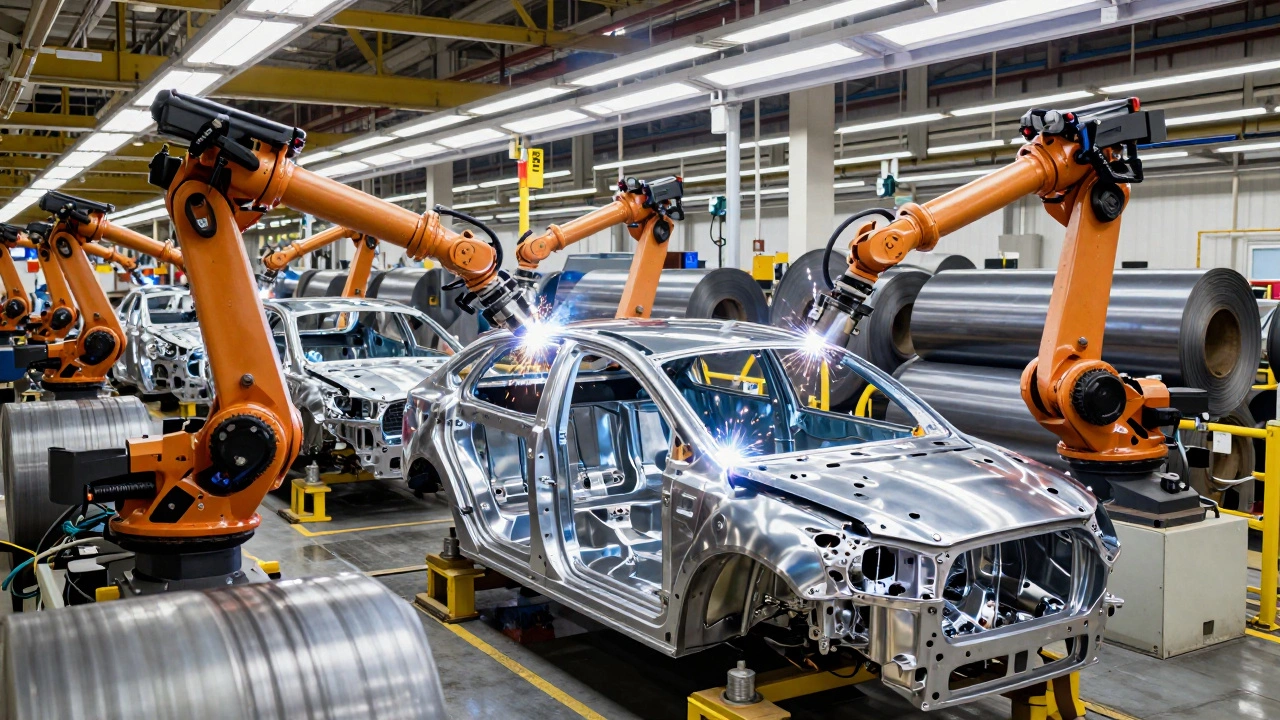
Ford doesn’t rely solely on North America. To diversify risk and access specialized alloys, they turn to global leaders. ArcelorMittal, the world’s largest producer of steel and iron products, headquartered in Luxembourg, is another major supplier. ArcelorMittal provides advanced high-strength steel (AHSS) that allows Ford to build cars that are both lighter and safer.
Why does this matter? Lighter cars mean better fuel efficiency for traditional engines and longer range for EVs. ArcelorMittal’s mills in Europe, Asia, and the Americas supply Ford plants globally. If a storm hits Texas or a strike occurs in Poland, Ford needs alternatives. That’s where companies like POSCO, a South Korean state-owned steel company renowned for its technological innovation and green steel initiatives, come into play.
POSCO has been aggressively expanding its presence in the US market, particularly in Alabama. Their proximity to Ford’s Southern Assembly Plant makes them an attractive partner. By sourcing from POSCO, Ford gains access to cutting-edge metallurgy while reducing transportation costs. It’s a smart move that balances cost, quality, and logistics.
| Supplier | Headquarters | Key Products Supplied | Strategic Role |
|---|---|---|---|
| U.S. Steel | Pittsburgh, USA | Hot-rolled, Cold-rolled steel | Domestic stability & legacy partnerships |
| ArcelorMittal | Luxembourg | Advanced High-Strength Steel (AHSS) | Global reach & lightweighting solutions |
| POSCO | South Korea | Galvanized steel, Green steel | Proximity to Southern US plants & innovation |
| Nippon Steel | Japan | Premium automotive grades | Acquirer of U.S. Steel; global scale |
The Tariff Tightrope: Navigating Trade Policy
You can’t talk about Ford’s steel sourcing without mentioning tariffs. In 2018, the US imposed a 25% tariff on imported steel. This forced Ford to rethink its entire supply chain. Instead of buying cheap steel from abroad, they signed long-term contracts with domestic suppliers to lock in prices and avoid duties.
By 2026, the landscape had evolved again. While some tariffs remained, exemptions became common for automakers who could prove they needed specific grades only available overseas. Ford leveraged these exemptions to maintain flexibility. But the underlying lesson was clear: relying too much on foreign steel was risky. So, Ford doubled down on domestic capacity, investing billions in new plants in Michigan and Ohio.
This investment wasn’t just about politics; it was about resilience. When global shipping lanes get disrupted-whether by conflict, pandemics, or climate events-having steel mills nearby ensures your assembly line keeps running. Ford’s strategy shifted from "lowest cost" to "most reliable."
Green Steel: The Future of Sourcing
Here’s where it gets interesting. Ford isn’t just looking for cheaper steel; they’re looking for cleaner steel. As an automaker committed to carbon neutrality, Ford faces pressure to reduce the environmental impact of its vehicles. And guess what? Steel production is one of the biggest polluters in the world.
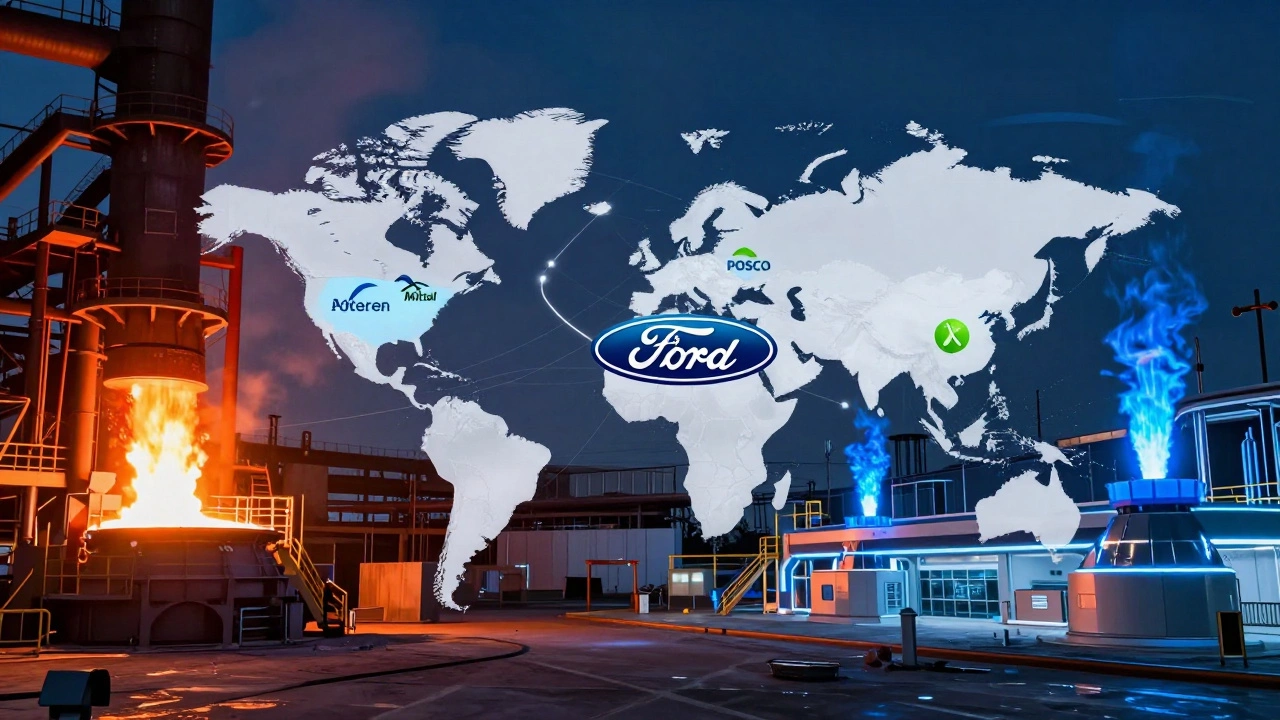
Enter "green steel." This is steel produced using hydrogen instead of coal, drastically cutting carbon emissions. Companies like SSAB in Sweden and HYBRIT have pioneered this technology. Ford has partnered with several of these innovators to test green steel in prototype vehicles. By 2026, we’re seeing early adopters integrating low-carbon steel into non-critical parts, paving the way for broader adoption.
This shift changes the game. Suppliers who can’t produce green steel will lose out. Ford is signaling to the market that sustainability isn’t optional anymore. It’s a core requirement for doing business. This means future contracts will likely favor suppliers with proven decarbonization plans, regardless of their location.
Electric Vehicles Change the Game
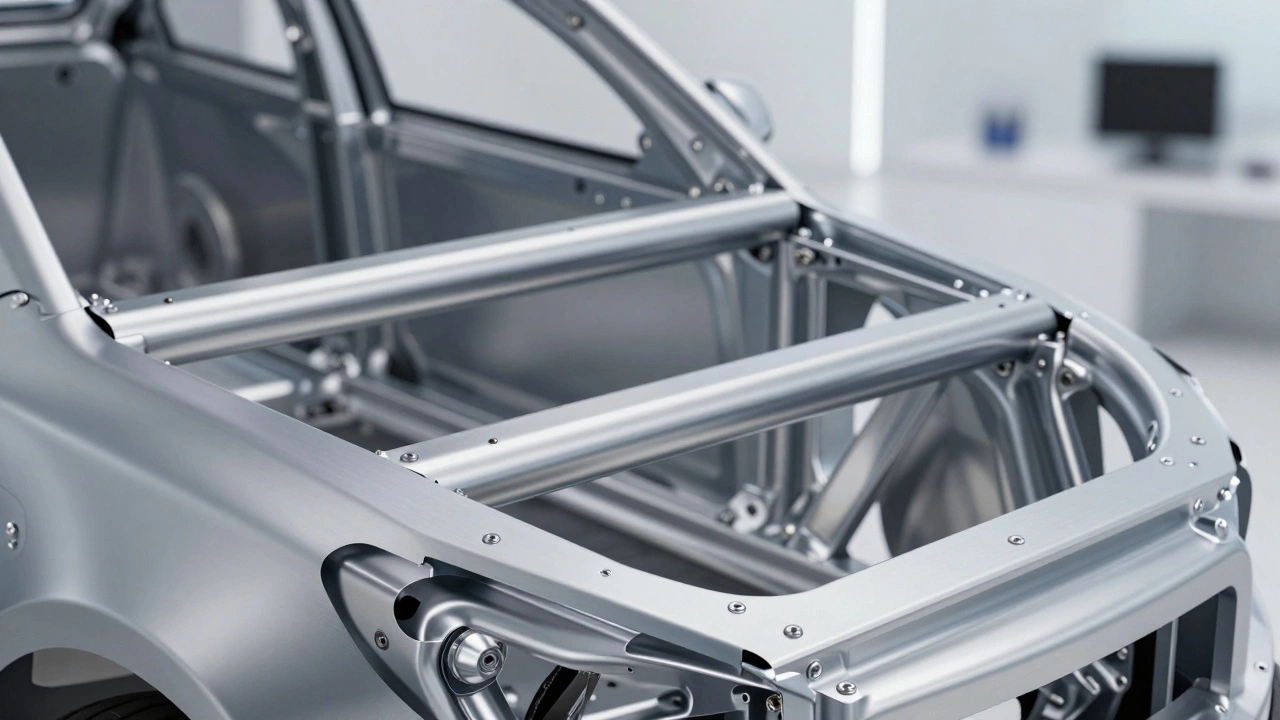
Let’s talk about EVs. Electric vehicles don’t need traditional engine blocks, but they do need massive battery packs. These batteries require special enclosures made from aluminum and advanced steels. Aluminum is lighter than steel, so Ford is increasingly substituting steel with aluminum in certain areas. But steel still plays a crucial role in structural integrity and crash safety.
For EVs, weight is everything. Every kilogram saved extends the range. This pushes Ford to use thinner, stronger steel grades. Suppliers like ThyssenKrupp and Tata Steel are developing ultra-high-strength steels specifically for EV platforms. Ford’s sourcing team is constantly evaluating these new materials to stay ahead of competitors like Tesla and Rivian.
So, while the volume of steel per car might decrease slightly due to aluminum substitution, the value and complexity of the steel used increase. It’s not about buying less steel; it’s about buying smarter steel.
Supply Chain Resilience in 2026
By mid-2026, the focus for Ford and other automakers is on resilience. After years of disruptions-from chip shortages to port closures-the industry learned a hard lesson: just-in-time manufacturing is fragile. Ford is moving toward "just-in-case" inventory models for critical materials like steel.
This means holding more stock and diversifying suppliers further. Instead of relying on two or three major players, Ford is qualifying smaller, regional mills. This decentralization reduces risk. If one mill goes offline, others can step in. It also strengthens local economies, which aligns with government incentives for domestic manufacturing.
Additionally, digital twins and AI-driven logistics help Ford predict disruptions before they happen. Real-time data from supplier sensors allows Ford to adjust orders dynamically. This tech-savvy approach complements their physical supply chain, making it more agile and responsive.
What This Means for You
If you’re an investor, watch Ford’s supplier relationships closely. Shifts in sourcing often signal strategic moves. If Ford starts buying more green steel, expect partnerships with renewable energy firms. If they pivot to more aluminum, look for investments in recycling infrastructure.
For consumers, this translates to safer, lighter, and potentially more affordable cars. Better steel means better crash protection. More efficient sourcing lowers production costs, which can be passed on to buyers. And greener steel means a smaller carbon footprint for your next purchase.
The story of who Ford buys steel from is really a story about adaptation. It’s about balancing tradition with innovation, cost with security, and profit with planet. As the auto industry evolves, so too will the metal that builds it.
Does Ford manufacture its own steel?
No, Ford does not manufacture its own steel. Like most automakers, Ford focuses on vehicle assembly and design, outsourcing raw material production to specialized steelmakers such as U.S. Steel, ArcelorMittal, and POSCO. This allows Ford to leverage expert metallurgy without the capital expenditure of running steel mills.
Why did Nippon Steel acquire U.S. Steel?
Nippon Steel acquired U.S. Steel to expand its North American footprint and gain access to established customer relationships in the auto industry. The deal allows Nippon to offer integrated services across borders, though it faced significant regulatory scrutiny due to national security concerns.
How do tariffs affect Ford's steel costs?
Tariffs increase the cost of imported steel, forcing Ford to either absorb higher expenses or pass them to consumers. To mitigate this, Ford signs long-term contracts with domestic suppliers and seeks exemptions for specialized steel grades unavailable locally. This strategy helps stabilize pricing despite trade volatility.
What is green steel and why does Ford care?
Green steel is produced using hydrogen instead of coal, significantly reducing carbon emissions. Ford cares because it aims to achieve carbon neutrality. Using green steel lowers the overall environmental impact of their vehicles, meeting regulatory requirements and appealing to eco-conscious consumers.
Will Ford stop using steel for electric vehicles?
No, Ford will not stop using steel for EVs. While aluminum is used more extensively for weight reduction, steel remains essential for structural strength and safety. Advanced high-strength steels allow EVs to be lighter yet durable, supporting battery protection and crashworthiness.