Global Chemical Distributor Comparison Tool
Compare the world's largest chemical players. Select a category to view integrated giants (manufacturers) or pure-play distributors.
| Company | Headquarters | Primary Strength | Estimated Revenue / Scale |
|---|
Imagine trying to build a modern smartphone without access to rare earth elements. Or picture a hospital running out of sterile packaging materials overnight. These scenarios seem impossible because of one invisible backbone: chemical distribution. It is not just about moving heavy drums from Point A to Point B. It is a complex logistics network that keeps industries alive. But when you ask who controls this flow, the answer is rarely a single name. The title of the "largest" shifts depending on whether you measure by revenue, volume, or geographic reach.
In 2026, the landscape is dominated by giants like Sinopec, which operates as both a manufacturer and a massive distributor, handling over $300 billion in annual sales. However, if we look at pure distribution networks-companies that buy chemicals and sell them to end-users without making the molecules themselves-the race is tighter. Players like BASF (through its subsidiaries), Merck KGaA, and specialized distributors like Univar Solutions and Azenta hold significant power. For businesses in India looking to understand global benchmarks, knowing these players helps in negotiating better terms and understanding supply risks.
The Definition Problem: Manufacturer vs. Distributor
Before naming the biggest player, we need to clear up a common confusion. In the chemical industry, the line between "manufacturer" and "distributor" is blurry. Most large companies do both. They make the chemical in their plant and then use their own fleet to deliver it to customers. This is called vertical integration.
When people ask for the largest distributor, they often mean one of two things:
- Integrated Giants: Companies that produce and distribute their own chemicals. These are usually the largest by revenue. Examples include Sinopec, ExxonMobil Chemical, and BASF.
- Pure-Play Distributors: Companies that do not manufacture chemicals but specialize in buying bulk quantities from manufacturers and breaking them down into smaller packages for local customers. These companies provide value through logistics, safety compliance, and technical support. Examples include Univar Solutions, Azenta, and Brenntag.
If you are a small-scale manufacturer in India, you likely interact with the second group more often. You might buy raw materials from a local agent who gets them from a global distributor. Understanding this distinction helps you identify who holds the leverage in your supply chain.
The Integrated Titans: Who Moves the Most Volume?
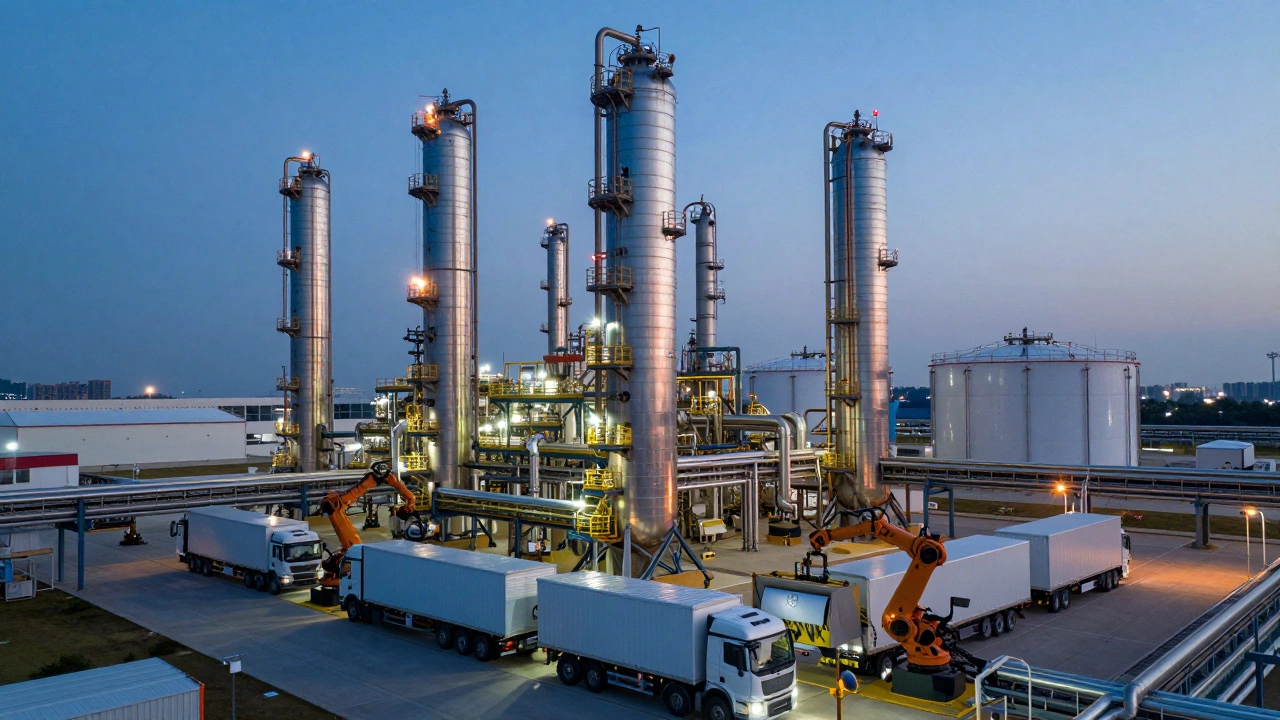
If we measure size by total revenue and volume of chemicals moved, Chinese state-owned enterprises lead the pack. Sinopec (China Petroleum & Chemical Corporation) is arguably the world's largest chemical company. With revenues exceeding $300 billion annually, Sinopec produces and distributes everything from petrochemicals to refined fuels. Their distribution network covers every province in China and extends globally through partnerships.
Another key player is ExxonMobil Chemical. While ExxonMobil is primarily an oil major, its chemical division is a powerhouse. They operate some of the largest ethylene plants in the world, particularly in the United States and Singapore. Their distribution strength lies in their ability to move massive volumes of olefins and polyolefins efficiently. For plastic manufacturers, ExxonMobil is a critical node in the supply chain.
Then there is BASF, the German giant. BASF is unique because it operates "Verbund" sites-integrated industrial complexes where the waste heat or by-product of one process becomes the raw material for another. This efficiency allows BASF to distribute a wider range of products than almost any other company. They are the largest producer of fine chemicals and intermediates, which are essential for pharmaceuticals and agrochemicals.
| Company | Headquarters | Primary Strength | Estimated Revenue (2025) |
|---|---|---|---|
| Sinopec | Beijing, China | Petrochemicals & Fuels | $300+ Billion |
| BASF | Ludwigshafen, Germany | Fine Chemicals & Intermediates | $87 Billion |
| Dow Inc. | Midland, USA | Polymers & Industrial Intermediates | $45 Billion |
| SABIC | Riyadh, Saudi Arabia | Commodity Chemicals | $40 Billion |
The Pure-Play Distributors: The Middlemen That Matter
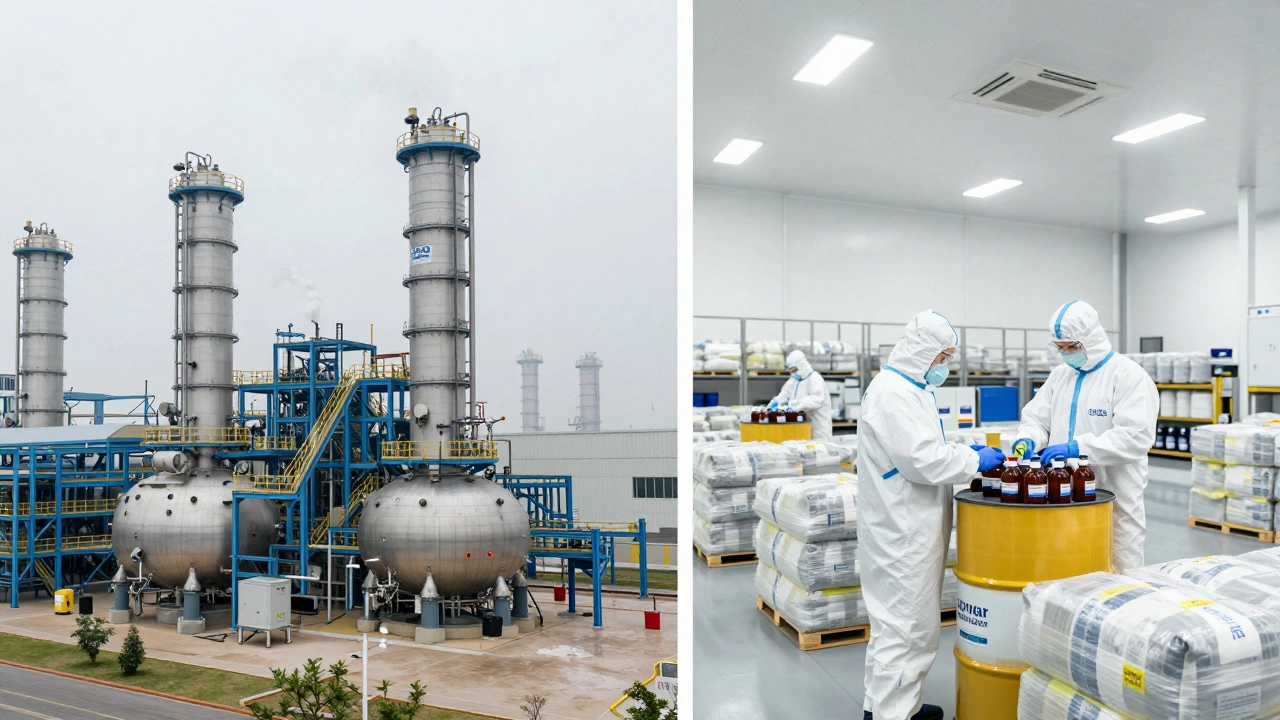
For most small and medium-sized enterprises (SMEs), dealing directly with Sinopec or BASF is not feasible. They don't want to buy 10,000 tons of a chemical; they need 500 kilograms. This is where pure-play distributors step in. They break bulk, ensure safe storage, and handle the regulatory paperwork.
Univar Solutions is currently recognized as the largest specialty chemical distributor globally. Formed through mergers, Univar has a presence in over 90 countries. They focus on high-value, low-volume chemicals used in food processing, personal care, and electronics. Their strength is not just logistics but technical expertise. They help formulators choose the right additives for their products.
Another major player is Azenta (formerly part of Thermo Fisher Scientific). Azenta specializes in life sciences and advanced materials. If you are working in biotechnology or semiconductor manufacturing, Azenta is likely your primary supplier. They handle hazardous and sensitive materials with extreme precision.
Brenntag, based in Germany, is also a top contender. They have a strong footprint in Europe and Asia. Brenntag focuses on sustainability and digitalization, offering platforms that allow customers to track shipments and manage inventory in real-time.
The Indian Context: Local Powerhouses
Since the context involves chemical manufacturers in India, it is crucial to look at the domestic landscape. India is one of the fastest-growing chemical markets in the world. While global giants dominate the top spots, Indian companies are rising rapidly.
Reliance Industries Limited (RIL) is the largest chemical producer and distributor in India. Their Jamnagar complex is one of the largest integrated refineries in the world. RIL supplies petrochemicals to thousands of downstream industries, including plastics, textiles, and fertilizers. For many Indian manufacturers, RIL is the de facto largest distributor of basic commodities.
Other notable Indian players include Indian Oil Corporation (IOC) and Hindustan Petroleum, which have expanding chemical divisions. Additionally, private distributors like Navin Fluorine International and SRF Limited play key roles in niche segments like fluoropolymers and silicones.
For small-scale manufacturers in India, partnering with local distributors who have ties to these global giants can reduce lead times and costs. Many international distributors now have dedicated offices in Mumbai, Delhi, and Chennai to serve the Indian market directly.
Why Distribution Matters More Than Ever
You might wonder why the identity of the distributor matters. Isn't a chemical just a chemical? Not exactly. In today's volatile market, reliability is more valuable than price. Here is what top distributors offer that small traders cannot:
- Supply Chain Resilience: Large distributors have multiple sources for each chemical. If a factory shuts down in one country, they can source from another. This minimizes downtime for your business.
- Regulatory Compliance: Chemicals are heavily regulated. Distributors handle Safety Data Sheets (SDS), customs clearance, and environmental permits. This reduces legal risks for buyers.
- Technical Support: They employ chemists and engineers who can troubleshoot formulation issues. If your product isn't performing well, they can suggest alternative grades or suppliers.
- Inventory Management: Through Just-In-Time (JIT) delivery models, large distributors help you reduce warehouse space and capital tied up in stock.
Future Trends in Chemical Distribution
By 2026, the chemical distribution sector is undergoing a digital transformation. Blockchain technology is being used to trace the origin of chemicals, ensuring authenticity and ethical sourcing. Artificial Intelligence predicts demand spikes, allowing distributors to pre-position inventory closer to end-users.
Sustainability is also reshaping the industry. Distributors are investing in electric fleets and green warehouses. Customers increasingly prefer partners who can provide carbon footprint data for each shipment. This trend is particularly strong in Europe but is gaining traction in Asia and North America.
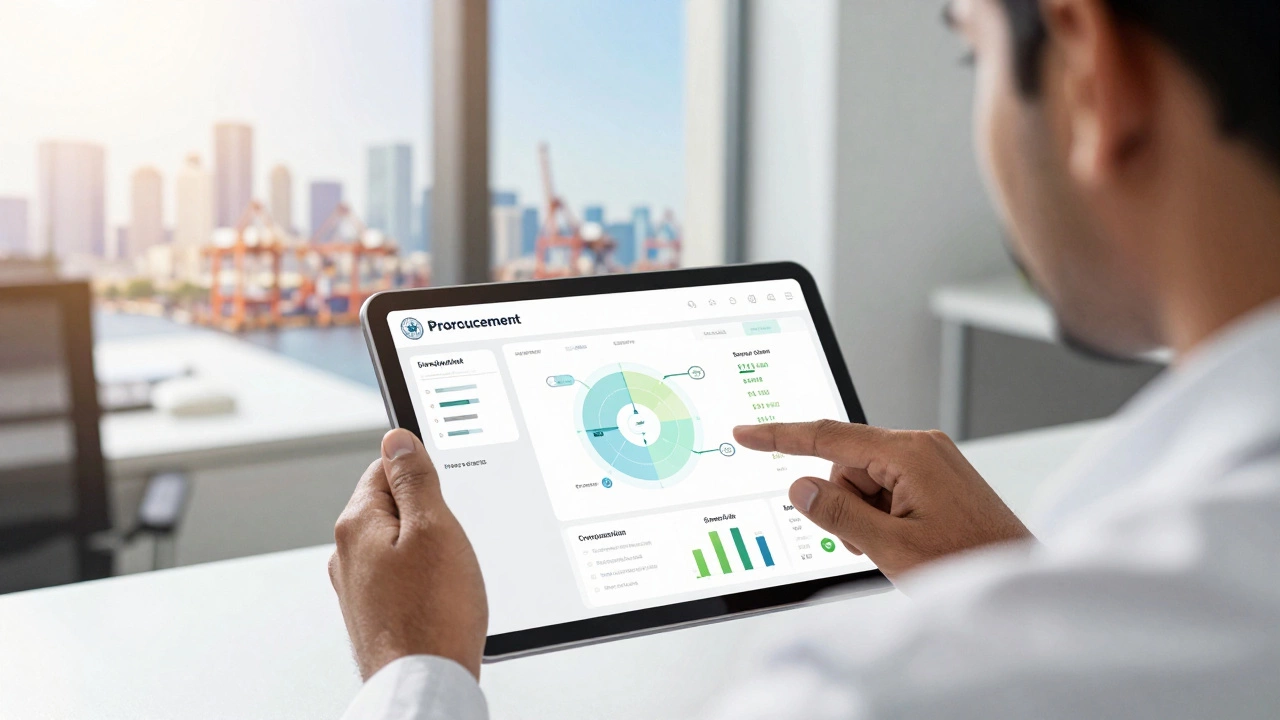
For Indian manufacturers, adopting digital procurement platforms offered by global distributors can streamline operations. It allows for transparent pricing, faster order processing, and better visibility into the supply chain.
How to Choose the Right Distributor
Knowing who the largest distributor is doesn't automatically mean they are the best for your specific needs. Here is a checklist to evaluate potential partners:
- Product Range: Do they carry the specific grades and certifications you require?
- Geographic Reach: Can they deliver to your location reliably, even during peak seasons?
- Financial Stability: Are they financially sound enough to withstand market fluctuations?
- Customer Service: Do they offer responsive technical support and easy communication channels?
- Sustainability Practices: Do their environmental policies align with your corporate social responsibility goals?
Don't just go for the biggest name. Look for a partner who understands your industry and challenges. A mid-sized distributor with deep expertise in your niche might serve you better than a generalist giant.
Is Sinopec the largest chemical distributor in the world?
Yes, if you consider integrated companies that both manufacture and distribute. Sinopec has the highest revenue and volume due to its massive scale in China and global operations. However, for pure distribution services without manufacturing, companies like Univar Solutions are leaders.
What is the difference between a chemical manufacturer and a distributor?
A manufacturer creates the chemical through industrial processes. A distributor buys these chemicals in bulk and sells them in smaller quantities to end-users. Distributors add value through logistics, storage, and technical support, while manufacturers focus on production efficiency and R&D.
Which chemical distributors are prominent in India?
Reliance Industries Limited (RIL) is the largest player in India, followed by Indian Oil Corporation and Hindustan Petroleum. Private companies like Navin Fluorine International and SRF Limited are also key distributors in specialized segments. Global distributors like Univar and Brenntag also have significant operations in India.
Why should small businesses use large chemical distributors?
Large distributors offer supply chain resilience, regulatory compliance assistance, and technical support. They can source from multiple manufacturers, reducing the risk of shortages. They also handle complex logistics and documentation, saving time and resources for small businesses.
How is technology changing chemical distribution?
Technology is enabling better traceability through blockchain, predictive analytics for inventory management using AI, and digital procurement platforms for easier ordering. Sustainability tracking tools are also becoming standard, helping companies monitor their carbon footprint across the supply chain.