Steel Selection Guide
Recommended Steel Type
Recommended Manufacturers
- Nippon Steel - Precision automotive steel
- SSAB - Green steel solutions
- POSCO - Advanced stainless steel
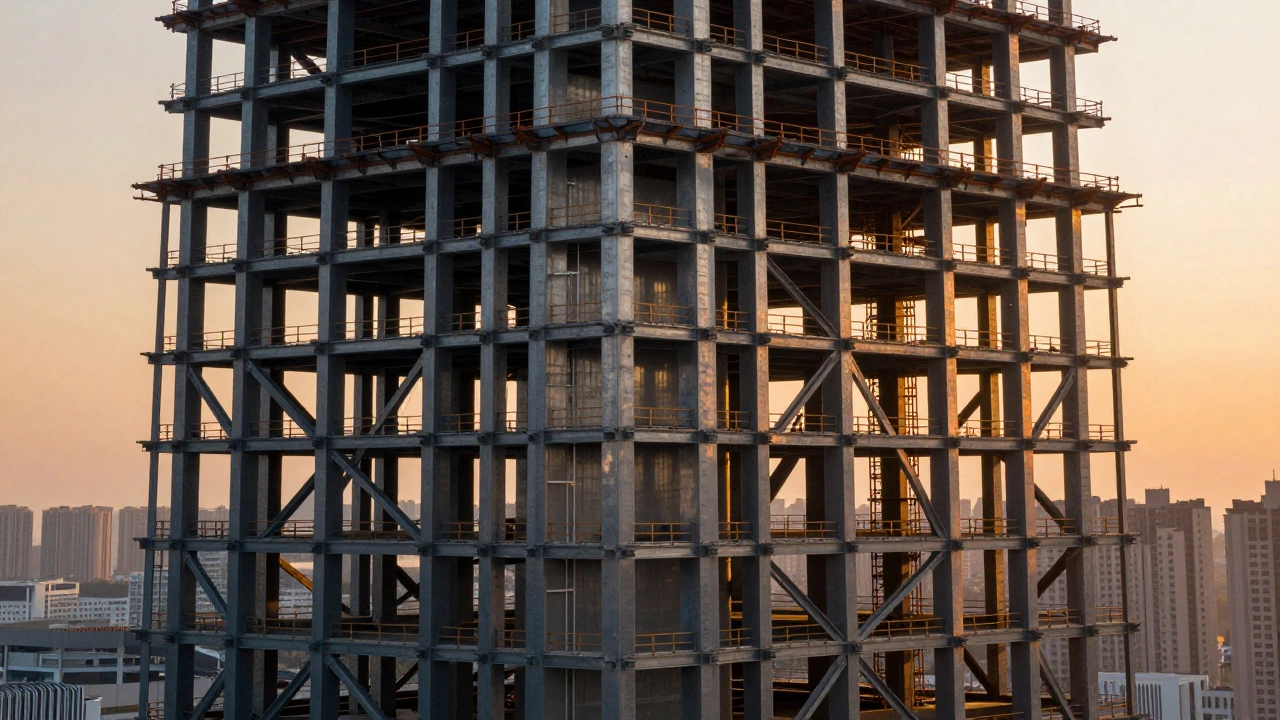
When you build a skyscraper, construct a bridge, or manufacture a high-performance car, the metal holding it together matters more than anything else. A single weak link in the steel supply chain can lead to catastrophic failure. That is why engineers and procurement managers constantly ask the same question: who makes the best quality steel in the world? The answer isn't just about picking a brand name. It depends on the specific alloy, the manufacturing process, and the standards applied during production.
Many people assume the largest producer automatically makes the best metal. While scale helps with consistency, quality is often defined by precision and innovation. In 2026, the landscape has shifted significantly. Sustainability and tensile strength are now equal partners in defining what "best" means. You cannot separate the physical properties of the metal from the carbon footprint of its creation. This guide breaks down the top contenders, the metrics that define quality, and how you can verify the steel you buy.
Top Global Steel Producers by Quality
Several companies dominate the market, but their strengths vary by region and specialization. If you need ultra-high-strength steel for automotive safety, one manufacturer might lead. If you need corrosion-resistant stainless for marine environments, another takes the crown. Here are the key players recognized for their rigorous quality control and technological advancements.
Nippon Steel is a Japanese conglomerate known for pioneering high-strength low-alloy steels. Based in Japan, this company has long been associated with precision engineering. Their steel is frequently used in robotics and advanced automotive frames. The attention to detail in their rolling mills ensures minimal defects in the final product. In the automotive sector, their boron steel is considered a benchmark for crash safety.
SSAB is a Swedish steelmaker that leads the industry in green steel production. While traditional quality metrics like tensile strength are important, SSAB has redefined quality to include environmental impact. Their fossil-free steel is now widely adopted in heavy machinery and infrastructure projects across Europe. For companies with strict ESG goals, SSAB offers a quality profile that matches physical performance with sustainability.
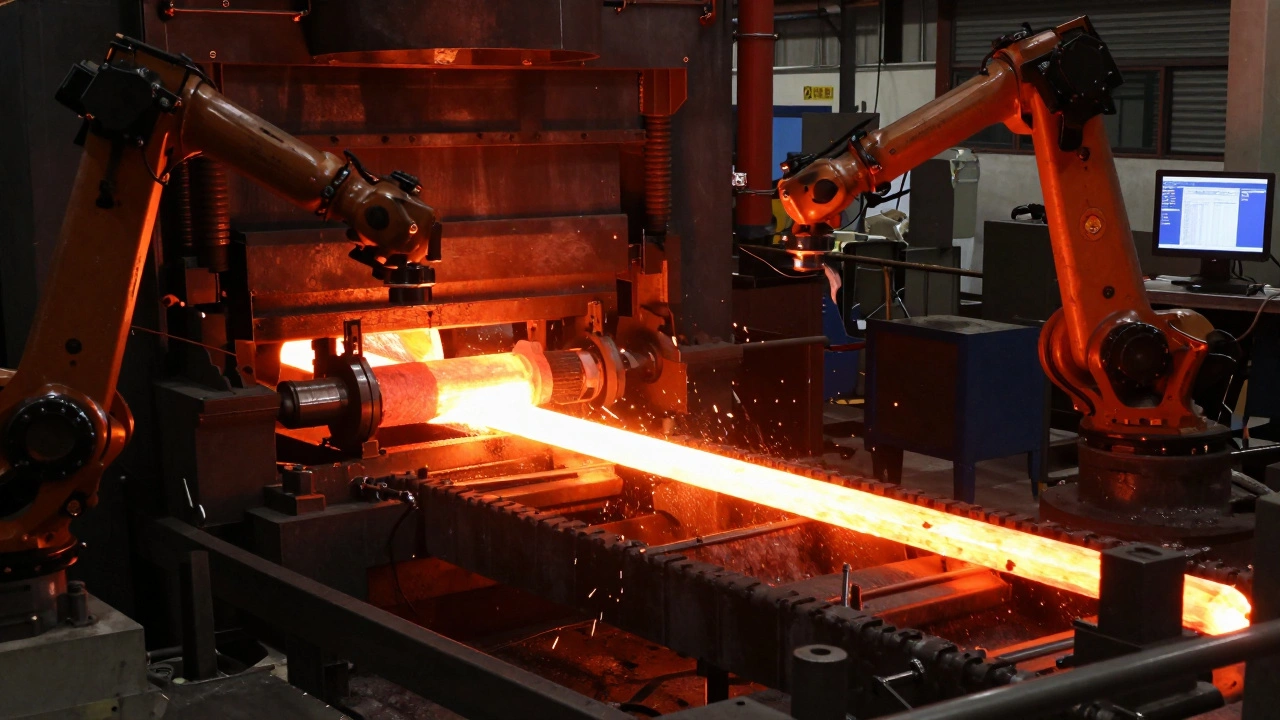
POSCO is a South Korean steelmaker renowned for its advanced stainless steel and silicon steel. Their facilities utilize some of the most automated production lines globally. This automation reduces human error and ensures batch-to-batch consistency. POSCO is particularly strong in producing electrical steel used in transformers and motors, where magnetic properties must be exact.
ArcelorMittal is the world's largest steel producer with a massive global footprint. Their sheer size allows them to maintain strict quality standards across different continents. They invest heavily in research and development to create tailored steel grades for construction and packaging. While they produce a wide range of products, their high-grade construction beams are widely trusted in major infrastructure projects.
TATA Steel is an Indian multinational with significant operations in Europe and Asia. They have gained a reputation for producing high-quality flat products. Their integration of digital twins in manufacturing allows for real-time quality monitoring. This means they can adjust chemical compositions on the fly to meet specific customer requirements.
What Defines High-Quality Steel?
Buying steel isn't like buying groceries. You cannot judge quality by looking at the surface. You need to understand the underlying specifications. Quality is measured through chemical composition, mechanical properties, and internal structure. If you ignore these factors, you risk structural failure or premature wear.
First, consider the chemical composition. Impurities like sulfur and phosphorus can make steel brittle. High-quality steel has these elements controlled to extremely low levels. Next, look at tensile strength. This measures how much stress the metal can withstand before breaking. For construction, you want high yield strength. For automotive parts, you might need high ductility to absorb impact.
Then there is the manufacturing process. The Basic Oxygen Furnace is a method that uses oxygen to refine molten iron into steel. It is fast and cost-effective for large volumes. However, the Electric Arc Furnace is a process that melts scrap metal using electricity. EAF steel often has a cleaner chemical profile because it starts with recycled material that can be precisely controlled. Many high-end applications prefer EAF steel for its purity.
Industry Standards and Certifications
Claims of "best quality" mean nothing without verification. Reputable manufacturers adhere to strict international standards. These standards act as a universal language for quality assurance. If a supplier cannot provide certification, you should walk away.
ASTM International is a standards organization that develops technical standards for materials. In the US and many other regions, ASTM A36 or ASTM A572 are common grades for structural steel. These specifications dictate the minimum requirements for strength and composition. When you order steel, the mill test report should reference the specific ASTM standard.
ISO 9001 is a quality management system standard. While this certifies the company's processes rather than the metal itself, it indicates a commitment to consistent quality. Manufacturers with ISO 9001 certification have documented procedures for testing and handling their products. This reduces the risk of receiving substandard material.
Additionally, look for EN standards in Europe. These are often more stringent regarding environmental impact and safety. The alignment of a manufacturer with these bodies ensures that their quality control is independent and audited.
Comparison of Top Steel Manufacturers
| Manufacturer | Country | Specialization | Key Strength |
|---|---|---|---|
| Nippon Steel | Japan | High-Strength Automotive | Precision Engineering |
| SSAB | Sweden | Green Steel | Sustainability & Innovation |
| POSCO | South Korea | Stainless & Electrical | Automation & Consistency |
| ArcelorMittal | Global | Construction & Packaging | Scale & Availability |
| TATA Steel | India/UK | Flat Products | Digital Manufacturing |
Types of Steel and Their Quality Metrics
Not all steel is created equal, and the "best" type depends entirely on your application. You would not use the same steel for a surgical scalpel as you would for a suspension bridge. Understanding the categories helps you choose the right manufacturer.
Carbon Steel is steel where carbon is the main alloying element. It is the most common type used in construction and machinery. Quality here is defined by the carbon percentage. Low carbon steel is softer and easier to weld. High carbon steel is harder and more wear-resistant but harder to work with.
Stainless Steel is an alloy containing at least 10.5% chromium. The chromium creates a passive layer that prevents rust. Quality in stainless steel is often judged by corrosion resistance and surface finish. Grade 304 is standard for general use, while Grade 316 is better for marine environments due to added molybdenum.
Alloy steels contain elements like nickel, manganese, or molybdenum to enhance specific properties. Tool steel is a subset of alloy steel designed for cutting and shaping other materials. When evaluating quality in these categories, you must check the heat treatment process. Proper heat treatment ensures the metal achieves its maximum hardness and toughness.
Sustainability as a Quality Metric
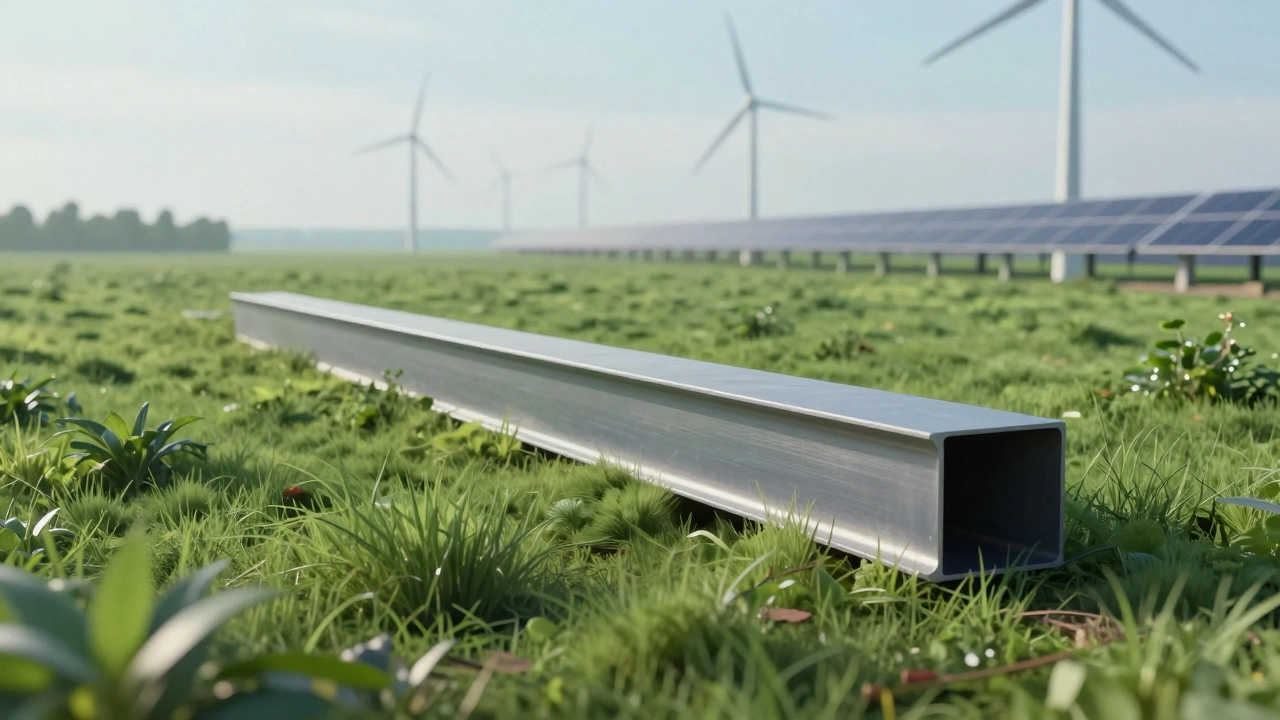
In 2026, quality is no longer just about physical strength. It is about the lifecycle of the material. Green steel is becoming a standard requirement for many large contracts. Traditional steelmaking emits significant carbon dioxide. Manufacturers who have transitioned to hydrogen-based reduction or 100% renewable energy are now considered higher quality providers.
Why does this matter to you? Because regulations are tightening. If you build a structure today, you might face compliance issues tomorrow if the materials are carbon-intensive. Choosing a manufacturer like SSAB or Nippon Steel who has invested in decarbonization future-proofs your project. It also enhances your brand reputation. Clients and regulators are increasingly demanding transparency in the supply chain.
How to Verify Steel Quality Before Purchase
Even with a reputable manufacturer, verification is crucial. Do not rely solely on marketing materials. Request the Mill Test Certificate (MTC) for every batch. This document provides the chemical analysis and mechanical test results for the specific shipment you are receiving.
Check for third-party inspection reports. Organizations like SGS or Bureau Veritas can inspect the steel at the mill before it ships. This adds a layer of security. If possible, perform your own spot checks upon arrival. Simple tests like hardness testing or visual inspection for surface defects can catch issues early.
Finally, consider the logistics. Steel can degrade during transport if not handled correctly. Moisture can cause rust, and improper stacking can cause bending. A high-quality manufacturer will also ensure proper packaging and shipping protocols. This end-to-end care is part of the overall quality package.
What is the strongest steel available today?
The strongest steel varies by application, but maraging steel and tool steels like H13 offer extreme hardness and strength. For construction, high-strength low-alloy (HSLA) steels are preferred for their balance of strength and weldability.
Is Japanese steel better than Chinese steel?
Japanese steel is often praised for consistency and precision in high-tech applications. However, China produces high-quality steel as well, particularly through major state-owned enterprises. Quality depends more on the specific mill and grade than the country of origin.
How do I check steel quality certificates?
Request the Mill Test Certificate (MTC) from your supplier. Verify that it matches the order quantity and grade. You can cross-reference the certification body with ISO or ASTM standards to ensure validity.
What is the difference between EAF and BOF steel?
Electric Arc Furnace (EAF) steel uses electricity to melt scrap metal, often resulting in a cleaner chemical profile. Basic Oxygen Furnace (BOF) steel uses oxygen to refine molten iron from blast furnaces. EAF is generally more flexible for specialty grades.
Does green steel cost more?
Currently, green steel often carries a premium due to the cost of renewable energy and hydrogen technology. However, as production scales up in 2026, prices are expected to converge with traditional steel costs.
Next Steps for Sourcing Quality Steel
Choosing the right steel supplier is a strategic decision. Start by defining your project requirements clearly. Do you need high tensile strength, corrosion resistance, or sustainability? Once you have those criteria, narrow down your list of manufacturers. Contact them directly to request samples and test reports.
Build relationships with suppliers who are transparent. If a company hesitates to share their testing data, it is a red flag. Look for partners who offer technical support and can help you select the right grade for your specific needs. The best steel is the one that performs reliably over the long term, minimizing maintenance and replacement costs.
Remember, the metal you choose defines the integrity of your work. Investing in quality steel from a top-tier manufacturer ensures safety, durability, and compliance with modern standards. Whether you are building a bridge or a machine, do not compromise on the foundation of your project.