Mexico vs. US Manufacturing Cost Calculator
Enter your production details and click Calculate to see potential savings.
There is a persistent myth that Mexico manufacturing is only about cheap labor. While wages are lower than in the United States or Canada, the real story is far more complex and significantly more profitable for modern startups. If you are looking to cut production costs without sacrificing quality or speed, Mexico offers a strategic advantage that China simply cannot match anymore.
The shift toward Nearshoring is the practice of sourcing goods from countries geographically close to the end market, typically within North America has accelerated dramatically since 2023. For a startup, this means shorter lead times, reduced shipping risks, and a more resilient supply chain. But why exactly is the total cost of ownership so much lower? Let’s break down the numbers, the logistics, and the hidden advantages that make this region a powerhouse for new manufacturers.
Labor Costs: The Obvious Starting Point
You have probably seen the headlines. The average hourly wage for a factory worker in Monterrey or Querétaro is significantly lower than in Detroit or Chicago. But it is not just about the raw number on the paycheck; it is about the total labor burden.
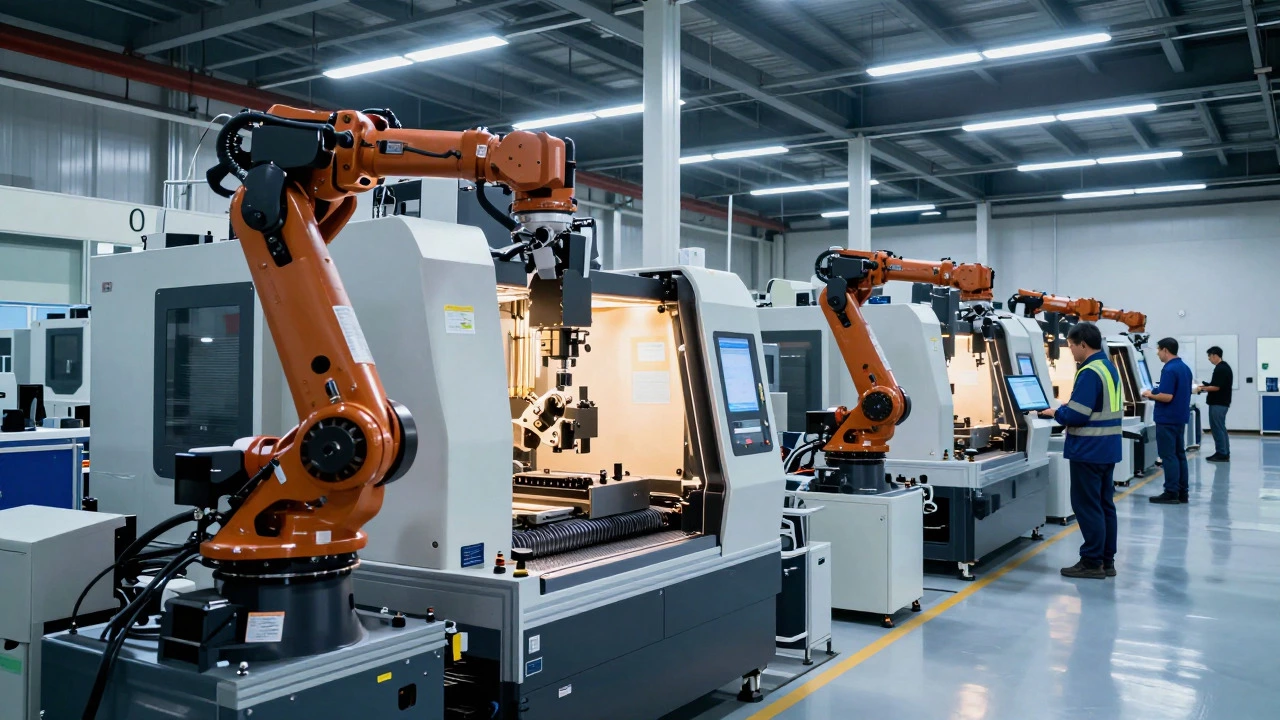
In the United States, employers pay substantial amounts in payroll taxes, health insurance mandates, and workers' compensation. In Mexico, while social security contributions exist, the overall structure is often more flexible for small-to-medium enterprises. More importantly, the workforce in industrial hubs like Bajío Region is a cluster of states including Guanajuato, Querétaro, and Aguascalientes known for high-skilled engineering talent is highly educated. You are not hiring unskilled labor; you are hiring technicians who can operate advanced CNC machines and robotic assembly lines with minimal training.
- Average Hourly Wage (US): $18 - $25 USD for skilled assembly
- Average Hourly Wage (Mexico): $6 - $9 USD for comparable skill levels
- Productivity Gap: Modern Mexican plants achieve 85-90% of US productivity rates due to automation investment.
This combination allows you to produce a unit at a fraction of the cost while maintaining the precision required for electronics or automotive parts.
Logistics and Proximity: The Real Money Saver
If labor saves you 30%, logistics might save you another 20%. Shipping from Asia takes 45 to 60 days by sea. That is nearly two months where your cash is tied up in inventory sitting on a boat. From Mexico, you can truck components to Los Angeles or Dallas in as little as 3 to 7 days.
This proximity enables Just-in-Time Manufacturing is an inventory strategy that strives to minimize waste by receiving goods only as they are needed in the production process. For a startup, this is a game-changer. You do not need to buy six months' worth of stock upfront. You can order smaller batches, test the market, and adjust quickly if demand shifts. The risk of obsolescence drops sharply because your inventory turns over faster.
Furthermore, fuel costs for cross-border trucking are predictable and generally lower than ocean freight volatility. When you factor in customs clearance, which is streamlined under the USMCA is The United States-Mexico-Canada Agreement, a free trade deal that replaced NAFTA in 2020, duties on many manufactured goods are zero. This eliminates the tariff headaches that plague importers dealing with Asian suppliers.
Infrastructure and Industrial Clusters
It is not enough to have cheap labor; you need reliable power, roads, and internet. Mexico has invested heavily in its industrial corridors. Cities like Monterrey is A major industrial city in Nuevo León, often called the 'Manchester of Mexico' due to its manufacturing density boast world-class infrastructure that rivals anything in the Midwest US. The electricity grid is stable, fiber-optic internet is widespread, and there is a dense network of Tier 1 and Tier 2 suppliers already in place.
When you set up shop in these clusters, you benefit from economies of scale. Your machine repair technician lives five minutes away. Your metal stamping supplier is down the street. This reduces downtime and speeds up prototyping. In remote areas of other countries, finding a specialized supplier can take weeks. In Monterrey, it takes hours.
| Factor | United States | Mexico | Savings Potential |
|---|---|---|---|
| Skilled Labor Cost | High | Low | 40-60% |
| Shipping Lead Time | Domestic (1-3 days) | Cross-border (3-7 days) | Comparable reliability |
| Inventory Holding Cost | Medium | Low (due to JIT) | 20-30% |
| Tariffs/Duties | Varies | Zero (under USMCA) | 100% on eligible goods |
| Regulatory Compliance | Strict/Complex | Streamlined | Lower admin overhead |

Government Incentives and Stability
Governments want foreign investment. In exchange, they offer incentives. Many Mexican states provide tax holidays, property tax reductions, and even subsidies for equipment purchases if you commit to creating local jobs. For a startup, these incentives can cover a significant portion of your initial capital expenditure.
Additionally, political stability in industrial regions is higher than in other parts of Latin America. The business environment in northern Mexico is deeply integrated with the US economy. Local officials understand the needs of exporters and have established legal frameworks that protect intellectual property and enforce contracts reliably. This reduces the "risk premium" you would normally charge when entering a new, less familiar market.
Quality Control and Standards
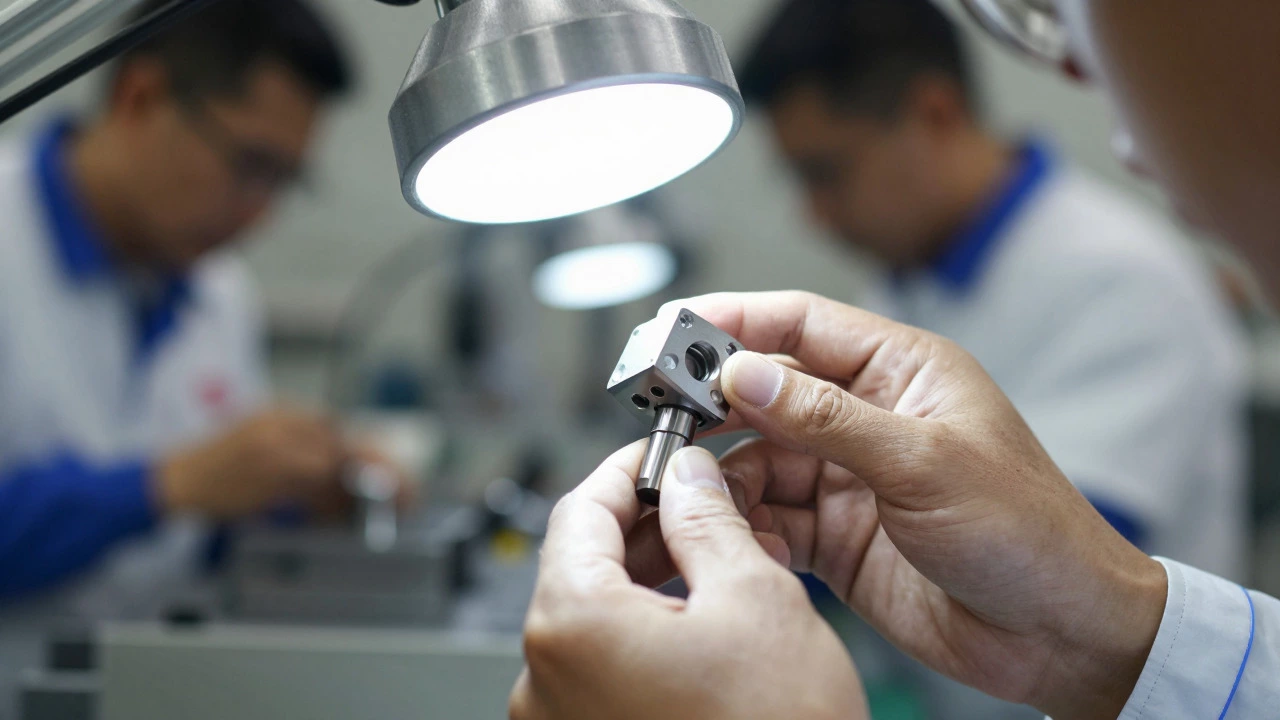
A common fear is that "cheaper" means "lower quality." This is outdated. Major global brands like Tesla, Apple, and General Motors manufacture critical components in Mexico. Why? Because the quality control standards are identical to those in the US. Many Mexican factories hold ISO 9001 is An international standard for quality management systems and IATF 16949 certifications, which are mandatory for automotive suppliers.
For a startup, this means you can leverage existing certified facilities or hire local quality assurance engineers who are trained in Six Sigma methodologies. The cultural emphasis on craftsmanship in Mexican industry ensures that defect rates remain low. You get the price advantage of emerging markets with the quality assurance of developed nations.
Strategic Risks and Mitigation
No location is without risk. Currency fluctuation is a factor; the Mexican Peso can vary against the Dollar. However, most manufacturing contracts are priced in USD, mitigating this risk for exporters. Another concern is unionization. While unions are stronger in some sectors, the private manufacturing sector in northern Mexico operates with relatively flexible labor practices compared to Europe or traditional US industrial zones.
To mitigate operational risks, consider starting with a contract manufacturer before building your own plant. This allows you to test the waters, establish relationships with local suppliers, and understand the regulatory landscape without the heavy capital outlay of construction. Once you have validated your product-market fit, you can transition to owned capacity for greater margin control.
Frequently Asked Questions
Is Mexico really cheaper than China for manufacturing?
Yes, especially when you factor in total landed cost. While China may have slightly lower raw material costs for some commodities, the shipping time, tariffs, and inventory holding costs make Mexico more competitive for North American markets. The total cost of ownership is often 15-25% lower in Mexico due to logistics efficiencies.
What industries benefit most from manufacturing in Mexico?
Automotive, electronics, aerospace, and medical devices see the highest returns. These industries rely heavily on precision engineering and fast supply chains, both of which are strengths of the Mexican industrial corridor. Consumer goods also benefit from the ability to rapidly respond to market trends.
How long does it take to set up a manufacturing facility in Mexico?
Setting up a legal entity takes about 2-4 weeks. Leasing or building a facility depends on your scope; leasing an existing industrial space can be done in 1-3 months. Building from scratch takes 12-18 months. Most startups start by leasing to accelerate time-to-market.
Are there language barriers for US-based managers?
In major industrial hubs like Monterrey and Guadalajara, English proficiency among management and technical staff is high. While floor-level workers may primarily speak Spanish, bilingual supervisors are standard in export-oriented factories. Hiring a local operations manager who speaks both languages solves most communication issues.
Does USMCA apply to all products made in Mexico?
No, it applies to goods that meet specific rules of origin. Generally, if a certain percentage of the value is added in North America, the product qualifies for duty-free entry into the US. For most manufactured goods, this threshold is easily met. Consulting with a trade lawyer is recommended to ensure compliance.