Surat Textile Success Simulator
Select Key Factors
Toggle the factors that contributed to Surat's rise as India's textile capital.
Impact Analysis
Select factors and click Analyze to see the impact on Surat's textile industry.
Walk down any street in Surat, and you will hear the rhythmic clatter of sewing machines. It sounds like a heartbeat. This city doesn't just make clothes; it feeds the nation's wardrobe. If you wear synthetic fabric in India, there is a high chance it was cut, stitched, or designed here. But why this specific city on the banks of the Tapti River? Why not Mumbai, Delhi, or Bangalore?
The answer isn't magic. It is a mix of smart business moves, cheap energy, and a culture that treats textiles as a lifestyle. Surat has transformed from a trading post into the textile capital of India. Let’s break down exactly how they did it.
The Silk Boom That Started It All
To understand today, you have to look back at the 1960s. Back then, Surat was known for silk. Specifically, artificial silk, also called Malmal a lightweight cotton fabric often used for traditional Indian garments. Local entrepreneurs realized that natural silk was expensive and hard to maintain. They started experimenting with synthetic fibers.
This shift was crucial. Synthetic fabrics are cheaper to produce and easier for the average consumer to wash and wear. Surat manufacturers mastered the art of printing patterns on these synthetics. They created designs that looked like expensive silk but cost a fraction of the price. This democratized fashion in India. Suddenly, colorful sarees were accessible to millions, not just the wealthy.
Cheap Power: The Game Changer
You cannot run thousands of looms without electricity. In the 1970s, power cuts were frequent across Gujarat. Most industries struggled. Surat’s textile bosses didn’t wait for the government to fix the grid. They built their own.
They invested heavily in captive power plants using coal and later gas. This meant their factories never stopped running. When other cities faced blackouts, Surat kept stitching. This reliability attracted more businesses. It created a cycle: reliable power led to higher production, which lowered costs, which attracted more customers. Today, Surat has some of the lowest industrial power tariffs in India because of this infrastructure.
The Diamond Connection
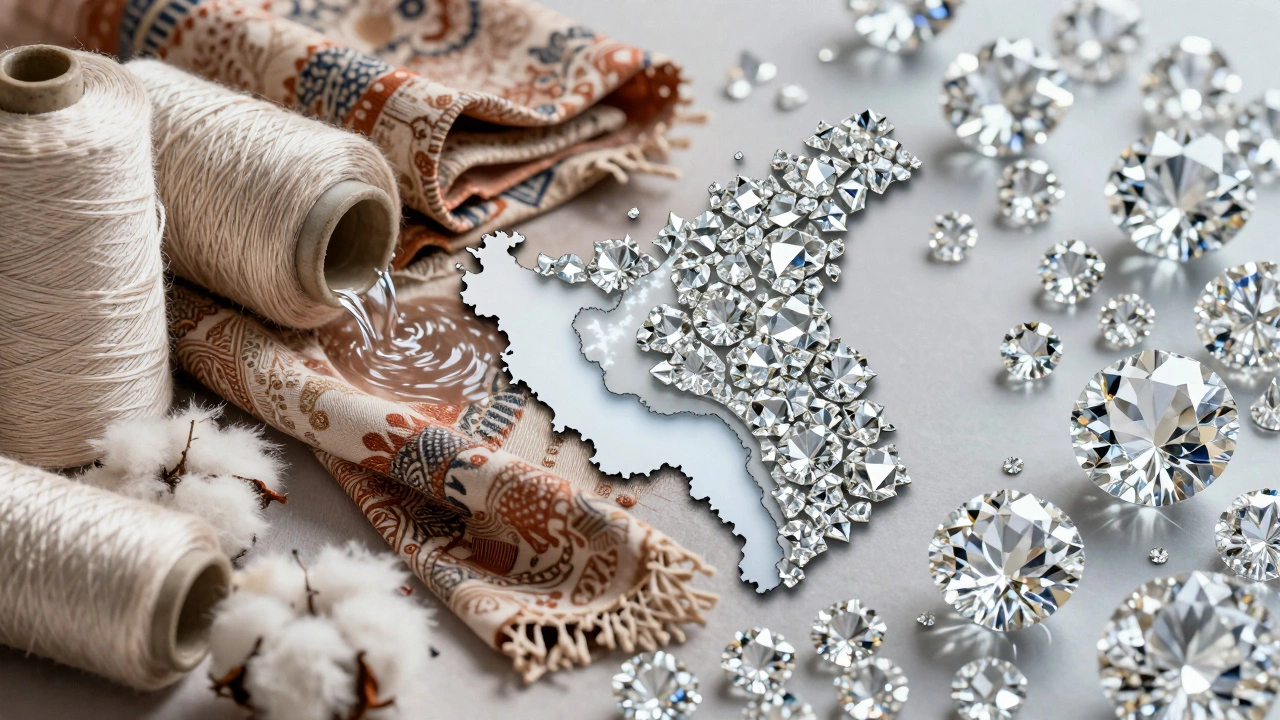
Here is a twist. Surat is also famous for diamonds. About 90% of the world’s diamonds are polished here. How does cutting stones help make clothes? Money. The diamond trade generated massive wealth in the city. Families who made money in diamonds often reinvested that capital into textiles.
This cross-pollination of industries provided the financial backbone for the textile sector. It allowed for rapid expansion. Factories could buy better machines. They could hire skilled labor. The synergy between the diamond and textile sectors made Surat an economic powerhouse.
| Factor | Impact | Result |
|---|---|---|
| Synthetic Innovation | Shifted from expensive silk to affordable polyester | Mass market accessibility |
| Captive Power Plants | Eliminated dependency on unreliable grid | Continuous production cycles |
| Diamond Wealth | Provided capital for reinvestment | Rapid industrial scaling |
| Cluster Effect | Suppliers, weavers, and designers located together | Reduced logistics costs |
The Cluster Model: Everything in One Place
In many places, if you want to make a shirt, you might need to send fabric to one place for dyeing, another for printing, and a third for stitching. This takes time and money. Surat operates differently. It uses a cluster model.
In areas like Ring Road and Varachha, you find everything under one roof or within walking distance. You have yarn suppliers next to weaving units. Printing presses are near dyeing houses. Garment makers are close to packaging units. This proximity reduces transport costs significantly. It also speeds up production. A design can go from concept to finished product in days, not weeks.
This efficiency makes Surat incredibly competitive. Buyers from across India come here because they can source everything in one trip. It creates a self-sustaining ecosystem where everyone benefits from being close to each other.
Technology Meets Tradition
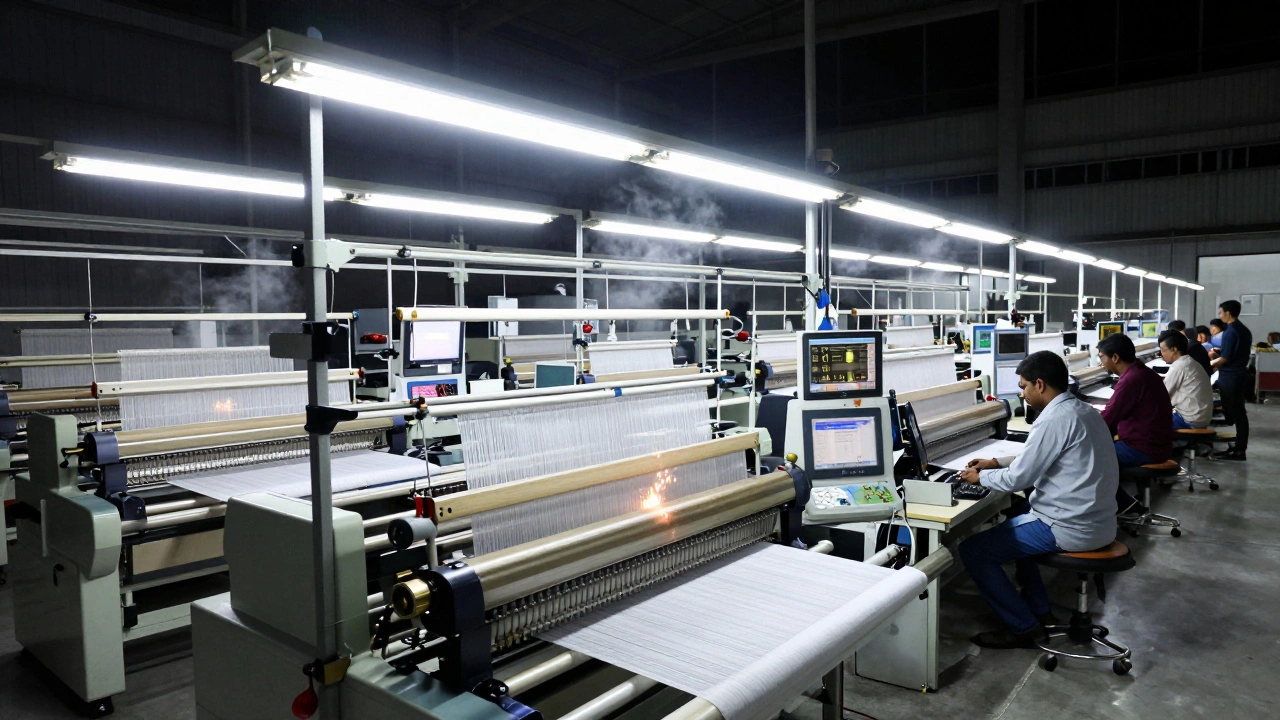
Don’t let the image of small workshops fool you. Surat is adopting technology fast. Many large mills now use computerized looms. These machines can weave complex patterns with precision and speed. Digital printing has replaced traditional block printing in many segments, allowing for sharper images and faster turnaround times.
However, the human touch remains vital. Skilled artisans still oversee quality control. Designers blend traditional motifs with modern trends. This balance keeps the products relevant. Younger consumers want trendy styles, while older generations appreciate classic looks. Surat delivers both.
Export Growth and Global Reach
While domestic demand is huge, Surat is looking outward. Exports have grown steadily over the years. Countries in Africa, the Middle East, and Southeast Asia import Surat fabrics. Why? Because they offer good quality at low prices.
Government schemes have helped too. Initiatives like the Production Linked Incentive (PLI) scheme support textile exports. Surat manufacturers are leveraging these benefits to set up larger facilities. They are also focusing on sustainability. Eco-friendly dyes and water recycling systems are becoming common. This helps them meet international standards.
Challenges Facing the Industry
It’s not all smooth sailing. Surat faces challenges. Labor shortages are a concern. As younger generations move to tech jobs, finding skilled weavers and operators becomes harder. Wages are rising, which squeezes profit margins.
Environmental regulations are tightening. Textile manufacturing uses a lot of water and chemicals. Surat must invest in cleaner technologies to comply with new laws. Competition from countries like Bangladesh and Vietnam is also increasing. These nations offer even lower labor costs. Surat needs to stay innovative to keep its edge.
Why This Matters to You
If you are a buyer, Surat offers unbeatable value. You get variety, speed, and affordability. If you are a manufacturer elsewhere, studying Surat’s model can teach you about efficiency and clustering. For consumers, it means access to diverse fashion options at reasonable prices.
Surat’s story is one of adaptation. From silk to synthetics, from manual looms to digital printers, the city evolves. It listens to market demands and adjusts quickly. That is why it remains famous for clothes. It doesn’t just make them; it understands what people want to wear.
Visiting Surat: What to See
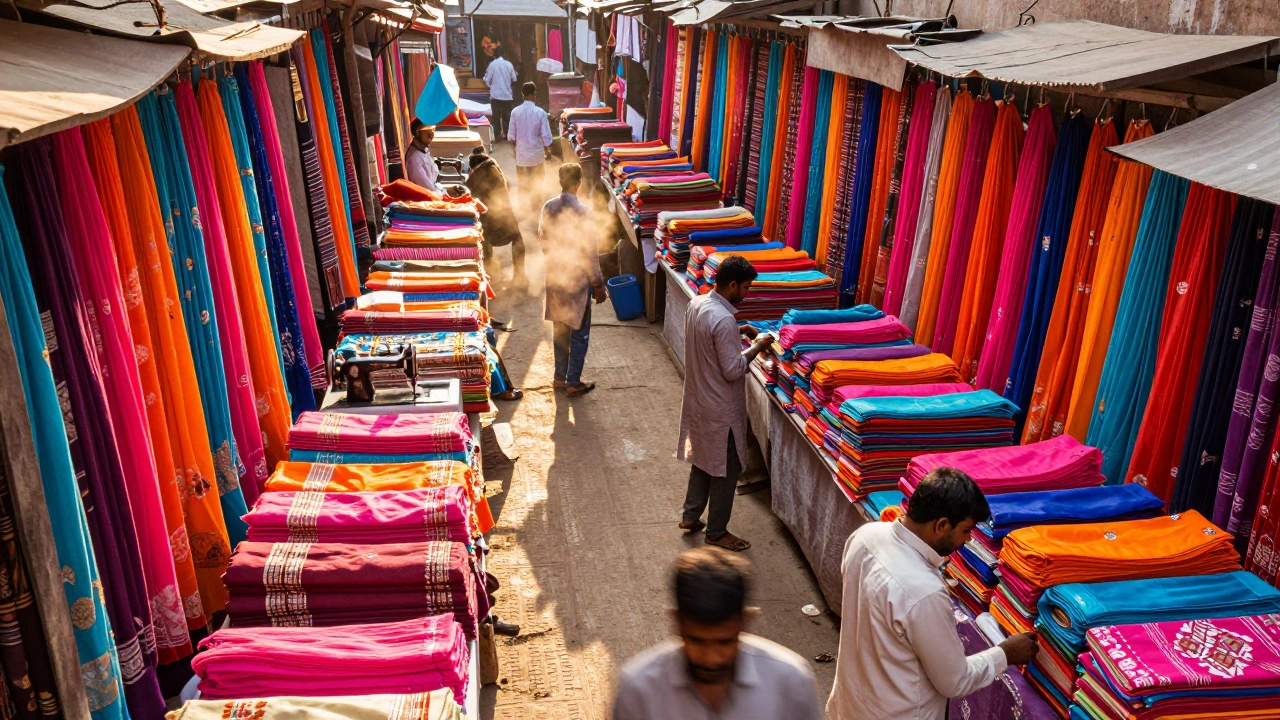
If you ever visit, check out the Surat Textile Market. It’s a maze of shops selling everything from raw yarn to ready-made garments. You can see the scale of operations firsthand. Visit the Dumas Beach nearby for a break from the industrial buzz. The contrast between the bustling markets and the calm sea highlights the city’s dual nature.
Talk to local traders. Ask them about the latest trends. You’ll learn that fashion moves fast here. What’s popular today might be gone tomorrow. Surat stays ahead by staying flexible.
The Future of Surat’s Textiles
Looking ahead, Surat aims to become a global brand. Not just a supplier, but a name recognized for quality. Investments in research and development are growing. New materials are being tested. Smart fabrics that regulate temperature or resist stains could be next.
The focus is also on branding. Instead of selling unbranded bulk fabric, companies are launching their own labels. This adds value and increases profits. With continued innovation and strategic planning, Surat will likely remain dominant in the textile sector for decades to come.
Is Surat only famous for synthetic clothes?
No, while Surat is renowned for synthetic fabrics like polyester and nylon, it also produces significant quantities of cotton and silk blends. The city has diversified its portfolio to include premium segments, though synthetics remain its core strength due to cost-effectiveness and durability.
How does Surat compare to Tirupur in textiles?
Tirupur is primarily known for knitwear, especially t-shirts and hosiery, whereas Surat dominates woven fabrics like sarees, suits, and dress materials. Both are major hubs, but they serve different segments of the apparel industry. Surat focuses more on printed woven goods, while Tirupur excels in basic knits.
Can I buy wholesale clothes directly from Surat?
Yes, Surat has numerous wholesale markets such as Ring Road and Mandvi. Buyers can purchase directly from manufacturers or traders. Minimum order quantities vary by vendor, so it’s best to negotiate terms beforehand. Many suppliers also offer online catalogs for remote inquiries.
What role do women play in Surat’s textile industry?
Women are increasingly involved in Surat’s textile sector, particularly in design, marketing, and entrepreneurship. While traditional roles like weaving have historically been male-dominated, modern shifts see more women leading brands and managing export operations, bringing fresh perspectives to the industry.
Are Surat’s textile practices sustainable?
Sustainability is a growing priority. Many Surat manufacturers are adopting eco-friendly dyes, water recycling systems, and energy-efficient machinery. However, challenges remain in fully transitioning to green practices across all units. Government incentives and consumer pressure are driving positive changes.